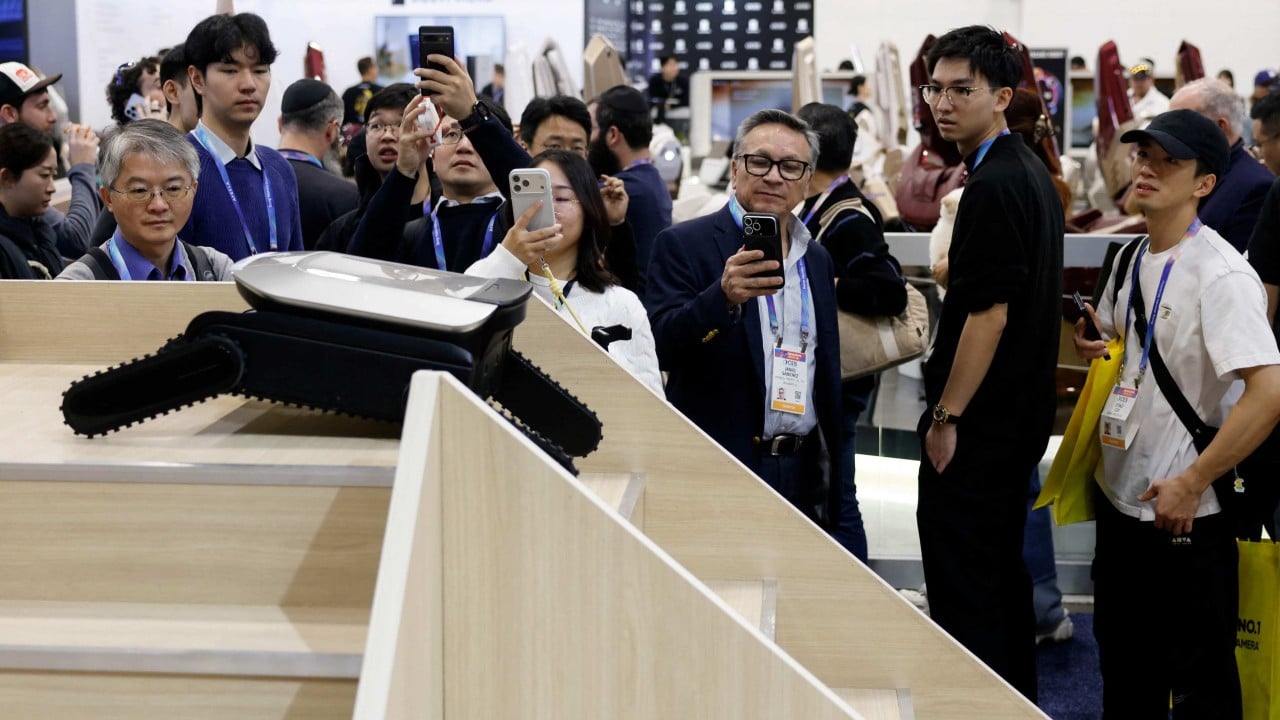
You cannot buy the next generation of smart vacuums if you live in America.
The Federal Communications Commission just dropped a massive regulatory hammer. They added foreign-made advanced robotic devices to the official Covered List. If a machine maps your floors, carries cameras, or uses smart navigation software built outside domestic borders, it faces an import block. Brands like Roborock, Ecovacs, and Dreame built massive followings by offering incredible cleaning technology at fractions of traditional costs. Now, that growth engine faces a brick wall.
Let's look at what this means for your next floor cleaner.
The Reality of the FCC Action
The policy targets hardware deemed a national security risk. Regulators argue that connected household machines map home layouts, capture audio, and record visual data. When those mapping logs sync to cloud servers overseas, vulnerabilities emerge.
We have seen this script before. Software flaws and cyber exploits have compromised autonomous floor cleaners in real-world tests. Hackers previously cracked security protocols on specific models to broadcast audio through onboard speakers. Washington decided that potential surveillance vectors outweigh consumer convenience.
Yet, the execution of the rule feels broad. The restrictions catch almost every high-performing automated sweeper on the market because nearly all of them rely on manufacturing hubs inside China.
What You Can Still Buy Today
Panic is unnecessary if your current automated cleaner runs fine.
Existing hardware already sitting inside homes remains untouched. You can keep running your current equipment without fear of remote deactivation or sudden confiscation. Retailers can also clear out existing inventory that received past authorization.
The block applies strictly to new models and future imports. If a company wants to ship an upgraded model with advanced obstacle avoidance or automatic mop-washing docks into the country, it hits a roadblock unless it completely restructures its supply chain.
The Supply Chain Loophole
Here is the irony hiding inside the new policy. The regulation does not care who owns the company or where the software is designed. It cares where the physical assembly happens and what percentage of parts originate domestically.
A brand can bypass the restriction entirely by shifting factory lines to local soil or hitting specific local sourcing thresholds. Of course, building factories stateside takes years and billions of dollars. Prices will inevitably climb. The cheap, feature-packed floor cleaner is heading toward extinction.
Where the Market Goes From Here
Domestic alternatives are scarce. Companies trying to build autonomous home hardware locally face steep labor costs and supply bottlenecks. Consumers will likely face a stagnating market featuring fewer choices, higher price tags, and slower technological leaps.
If you planned to upgrade your aging autonomous floor cleaner soon, check the inventory on current shelves. Once these authorized models sell out, the next wave of high-tech cleaning assistants might look entirely different—or fail to arrive at all.
US-China tech race: Trump administration bans imports of foreign-made humanoid robots
This video provides a helpful overview of the geopolitical context and regulatory shifts behind the restrictions on foreign-made robotic technology.