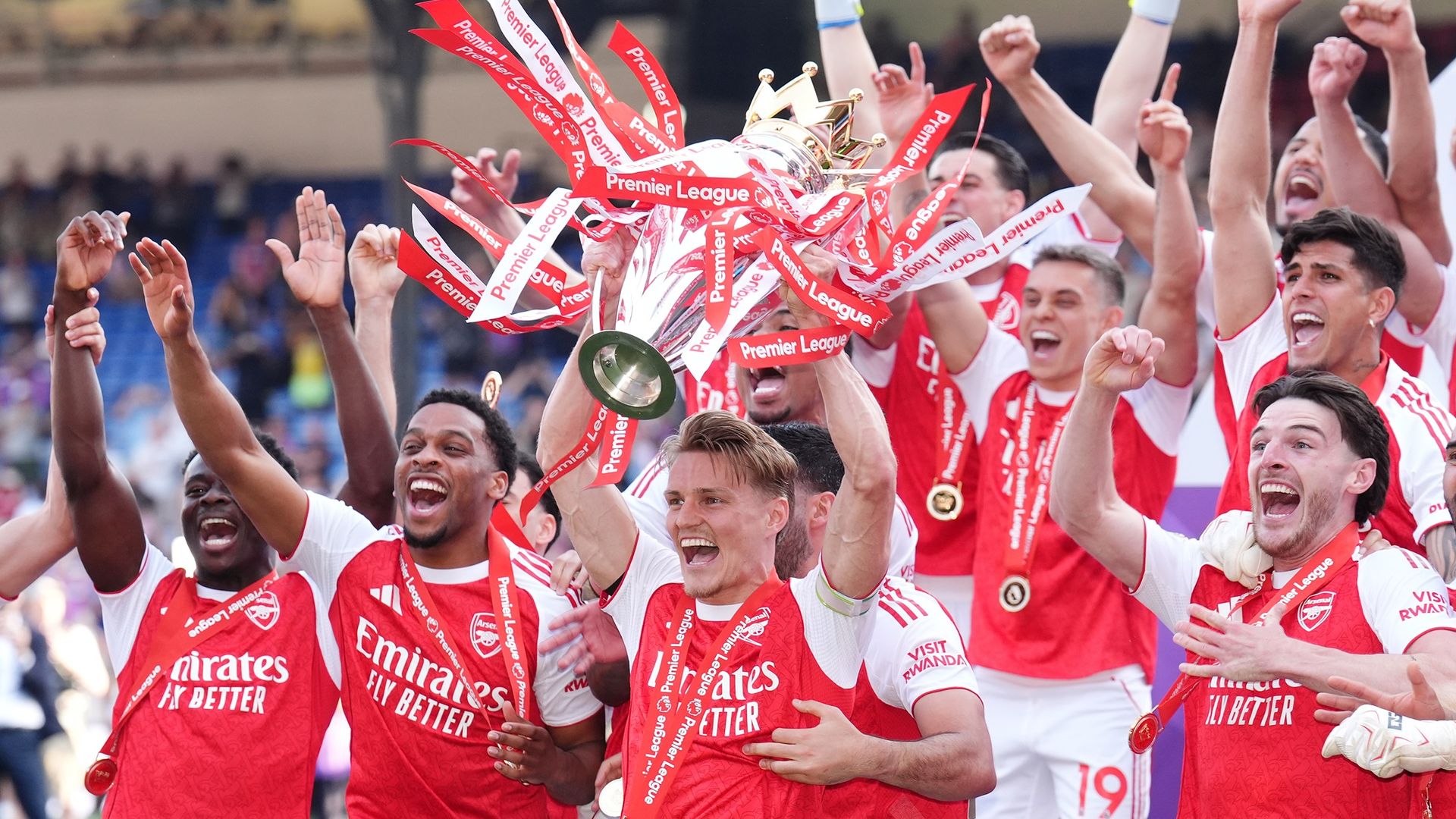
English football is finally staring down a structural shift that could protect the lower leagues from financial collapse. For years, the massive gulf between the top flight and the English Football League has threatened the stability of historic clubs. Now, the landscape is shifting. Premier League clubs have unanimously backed a massive funding proposal that injects an extra £1.5 billion into the EFL pyramid over the next decade.
If you're wondering why this agreement matters right now, it's simple. The threat of an externally imposed settlement from the Independent Football Regulator forced top-flight clubs to act. Talks dragged on for years amid bitter disputes over revenue sharing. With regulatory oversight now a reality, football executives finally found common ground.
Inside the Numbers of the £1.5bn Package
The financial mechanics behind this agreement reveal how top-flight wealth will trickle down. Under the terms of the proposal, contributions will scale up over a 10-year period. Payments start below £100 million for the initial season, scale past £130 million the following year, and settle at roughly £160 million annually from year three onward.
To fund this massive cash injection, Premier League clubs agreed to adjust internal metrics. The transfer levy applied to player trading between top-flight sides will rise from 4% to 6%. When clubs spend big on talent, a larger slice goes straight into safeguarding the pyramid. For instance, massive deals like Chelsea's high-profile acquisition of Morgan Rogers from Aston Villa for £117 million will generate significantly higher levy contributions under the new terms, driving millions more into the shared pool.
Where the Money Actually Goes
Cash distribution in lower-tier football needs strict guardrails to prevent clubs from chasing unsustainable glory. The new package addresses this directly through ring-fenced funds.
A dedicated £20 million emergency lifeboat fund will instantly assist any EFL club facing sudden administration or acute financial peril. Beyond crisis management, a substantial percentage of the distributed revenue is strictly designated for infrastructure development. Clubs must channel these funds into stadium upgrades, training ground improvements, and youth development instead of inflating player wages on risky gambles.
Watford chairman Scott Duxbury recently highlighted the massive impact this could have on individual clubs, noting that proper redistribution helps squads move closer to a sustainable break-even position rather than relying entirely on frantic player sales.
The Regulatory Shadow
You can't discuss this agreement without looking at the heavy hand of government oversight. The Independent Football Regulator, led by figures like David Kogan, has held backstop powers to step in and dictate financial terms if football failed to police itself. That looming threat broke years of institutional gridlock. Premier League bigwigs knew that agreeing to a football-led solution was better than having terms forced upon them.
The EFL board will now review the comprehensive details of the proposal with its 72 member clubs. While cautious optimism surrounds the talks, lower-league stakeholders want to ensure the fine print matches the lofty promises.
Expect intensive club-by-club evaluations over the coming weeks as the EFL determines whether to officially sign off on the historic blueprint.