You’ve likely seen the headlines. A new personalized mRNA treatment for skin cancer has officially hit a major milestone in Phase 3 trials. It’s supposed to stop melanoma from coming back after surgery. It sounds like science fiction. Honestly? It's closer to reality than we’ve ever been. But we need to separate the hype from the actual clinical data before we start calling it a cure-all.
I’ve followed cancer immunotherapy for years. Most "breakthroughs" die in early testing. This one is different. It’s not just another pill. It’s a personalized instruction manual for your immune system.
How This Personalized Therapy Actually Works
Think of traditional treatments as a sledgehammer. Chemotherapy and even some older immunotherapies hit everything in sight, hoping to knock out the cancer while doing collateral damage to the rest of your body.
This new approach, often referred to by the investigational name intismeran, is more like a sniper rifle.
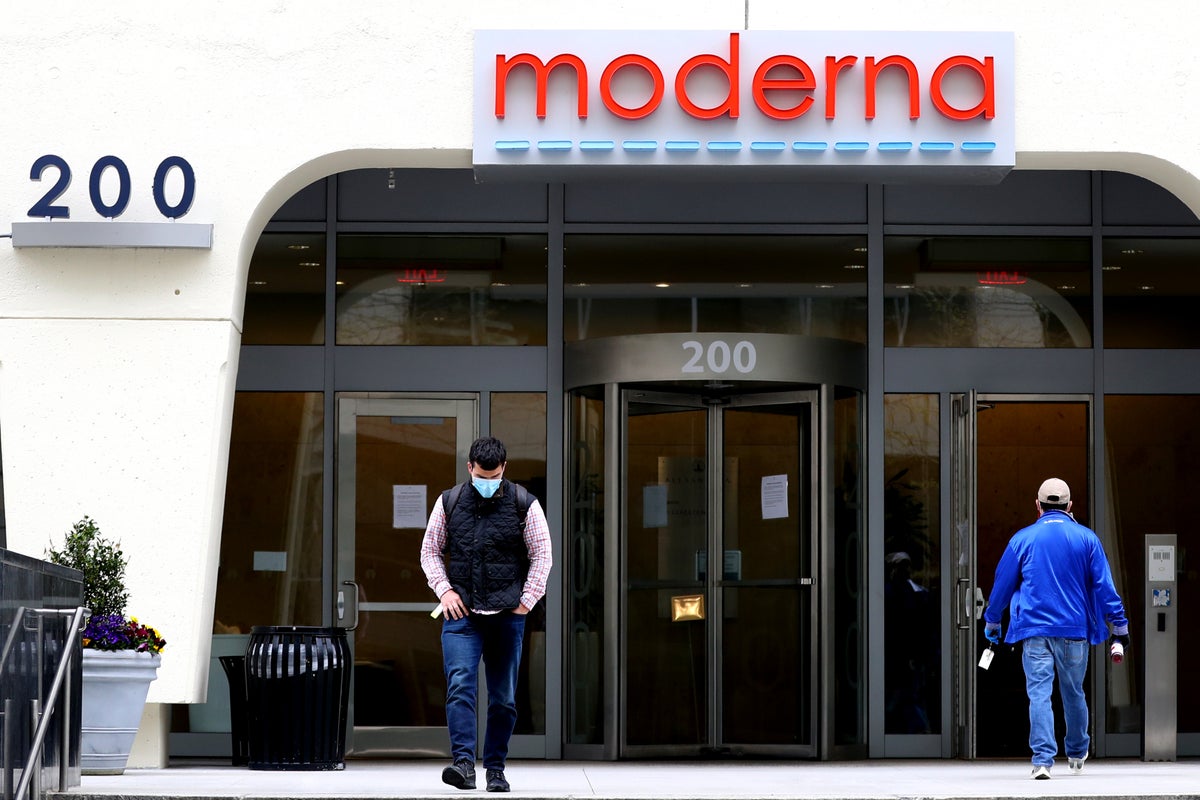
The process starts after surgery. Doctors remove the tumor and analyze its genetic profile. They look for "neoantigens"—the specific mutations that make your cancer unique. Moderna then crafts a bespoke mRNA sequence that teaches your body how to identify and hunt down those specific markers. When you combine this with a checkpoint inhibitor like Keytruda, which essentially takes the brakes off your immune system, you create a environment where your own body does the heavy lifting.
It’s elegant. It’s precise. But it’s not simple.
The Reality Of The Trial Results
We need to look at what this trial actually proved. The combination was tested in patients who had already undergone surgery to remove high-risk melanoma. The goal wasn't to shrink a giant, existing tumor. It was to prevent recurrence. That’s a massive distinction.
Early data suggests that pairing this vaccine with existing immunotherapy cuts the risk of the cancer coming back or progressing significantly compared to using the standard drug alone. These are solid numbers. They represent a real improvement for patients who are terrified of their cancer returning.
However, we are still waiting on the full, granular data. We don't have the long-term survival statistics yet. We don't know the absolute benefit across every single demographic. Clinical trials move at their own pace, and while excitement is warranted, patience is mandatory.
Common Misconceptions You Need To Ignore
Don't buy into the idea that this replaces surgery or standard check-ups. Here is what people keep getting wrong:
- It is not a preventative vaccine for the general public. You don't take this to stop yourself from getting skin cancer. It is currently a treatment for people who have already been diagnosed and treated surgically.
- It isn't a "one-size-fits-all" shot. Because it is personalized, your vaccine won't work for your neighbor. Each dose is literally built for your specific tumor profile.
- The logistics are a nightmare. We are talking about a bespoke manufacturing process for every single patient. Bringing this from a trial setting to a local cancer center is going to take years of infrastructure building.
What This Means For You
If you or a loved one are currently navigating a melanoma diagnosis, talk to your oncologist about the current landscape of clinical trials. Don't assume your local hospital has access to this yet. It’s currently in specialized settings, and the rollout will be slow.
We are seeing a shift in how we approach oncology. We’re moving from broad-spectrum treatments to hyper-individualized medicine. This is where the future of cancer care lives. It’s messy, it’s expensive, and it’s complicated. But for the first time in a long time, the biology is finally catching up to our ambitions.
Keep an eye on the upcoming medical conference presentations. That’s where the real answers will be. Ignore the sensationalist news cycles. Look for the peer-reviewed data. That’s how you make actual, informed health decisions.
If you are in a high-risk group for skin cancer, stick to the basics. Get your skin checked by a professional every year. Use SPF daily. Nothing beats early detection. Technology is helping us catch up, but prevention is still the best medicine we have.