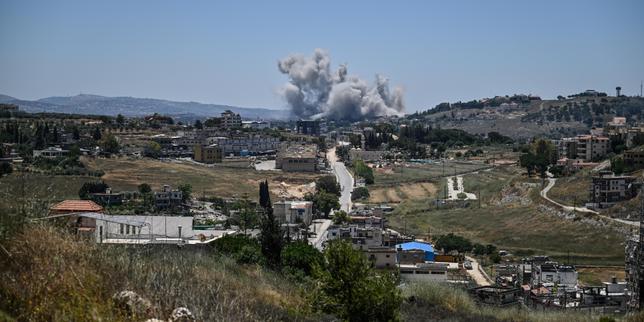
You can't end a war with a signature when the bombs are still falling. Just 48 hours after a high-stakes diplomatic breakthrough aimed at freezing the conflict, massive Israeli strikes shattered any illusion of an instant peace in Lebanon. If you’re looking at the map wondering why the latest regional agreement feels completely detached from the reality on the ground, you aren't alone.
The geopolitical stage looked promising for a brief second. A broader agreement brokered by Washington and Tehran aimed to cool down the regional conflict, opening up a 60-day window to negotiate lasting terms. But on Friday, June 19, 2026, the disconnect between diplomatic tables in Europe and the border towns of southern Lebanon became brutally obvious. Before a renewed, localized truce could be frantically patched back together at 4:00 PM, an intense wave of violence showed exactly why this entire framework is structurally flawed.
The 48 Hour Illusion
When the initial memorandum of understanding was reported earlier in the week, it was supposed to provide breathing room. Instead, it triggered a classic, tragic military phenomenon: the mad dash to secure ground and hit targets before the window shuts.
Between midnight and the Friday afternoon deadline, Israel launched some of its heaviest bombardments in weeks, hitting over 80 targets. The primary focus wasn't casual; the strikes zeroed in heavily on the Nabatiyeh region, parts of the Bekaa Valley, and southern border towns. According to the Lebanese Ministry of Health, the final pre-truce surge killed at least 47 people and wounded 97 others in a single day.
On the other side, Hezbollah fired back, launching attacks in southern Lebanon that killed four Israeli soldiers. This wasn't a minor border scuffle. It was a full-scale escalatory cycle that threatened to completely derail the diplomatic track before negotiators could even pack their bags for Switzerland.
Why Both Sides are Playing a Dangerous Game
To understand why the peace process feels so fragile, you have to look at what both sides actually want out of these final hours of fighting. It isn't just mindless violence; it's leverage.
- The Israeli Strategy: Prime Minister Benjamin Netanyahu faces intense domestic pressure from Israelis angry over any deal perceived as soft on Iran or its allies. By launching massive strikes right up to the 4:00 PM cutoff, the Israeli military aims to severely degrade Hezbollah's infrastructure—specifically targeting command centers in the Bekaa and Nabatiyeh—ensuring they enter any truce from a position of absolute strength. Netanyahu has made it clear that Israeli forces won't withdraw from their southern security zone immediately.
- The Hezbollah Stance: Hezbollah maintains that its operations are a direct response to Israeli territorial violations. While Lebanese officials state they will respect the ceasefire if Israel does, representatives like lawmaker Ibrahim Mouassoui openly assert a "right to riposte." Because Hezbollah isn't a direct signatory to the high-level US-Iran diplomatic framework, they operate with a degree of structural independence that makes top-down enforcement incredibly difficult.
The Core Disconnect: Iran wants to protect its strategic assets and ease economic pressure through the broader diplomatic deal, which includes a promised $300 billion reconstruction fund. But local actors on the ground are fighting an existential war where territorial control matters far more than international financial incentives.
🔗 Read more: southeast louisiana veterans cemetery slidell la
The Pressure from Washington
The sudden surge in violence didn't just terrify civilians in southern Lebanon; it deeply frustrated the White House. The Trump administration has found itself walking an increasingly thin tightrope, trying to back its regional ally while stopping a wider war from consuming global energy markets.
During the G7 summit in France, the administration expressed rare, public frustration with the scale of the destruction. Officials openly pointed out that massive structural leveling in Lebanese cities was an overreaction to minor border provocations. Vice President J.D. Vance went even further, bluntly warning hardline members of the Israeli cabinet to face reality, reminding them that alienating their primary global ally during critical negotiations with Tehran is a logistical nightmare.
What Happens Next
While a localized ceasefire technically went into effect at 4:00 PM local time on Friday, the situation remains incredibly fluid. If you are watching this situation develop, these are the real indicators that will tell you if the peace will hold or crumble:
- The Nabatiyeh Litmus Test: Watch whether the strikes in Nabatiyeh and surrounding villages truly stop, or if low-level drone operations and artillery duels continue under the guise of "imminent threat" neutralizations.
- The Freedom of Navigation Timelines: The broader regional deal relies on keeping the Strait of Hormuz open for a 60-day buffer period. If local flare-ups in Lebanon cause Iran to restrict shipping or collect unexpected security tariffs, the entire economic foundation of the peace talks collapses.
- The Security Zone Logjam: Israel has stated its military will not pull out of southern Lebanon immediately. How long Lebanese sovereignty can tolerate an active foreign military footprint without triggering localized insurgent attacks is the biggest question mark hanging over the next 48 hours.

,webp/024/987/765/v2/2560x1440.209.webp)