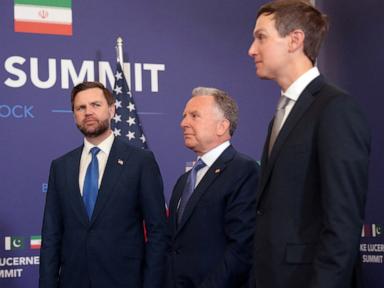
Foreign policy deals are rarely clean. But the latest agreement between the United States and Iran has opened up a massive political crater in Washington, drawing fierce condemnation from the very people who spent years trying to contain Tehran's nuclear ambitions.
When a former National Security Adviser from the Obama era comes out swinging against a major diplomatic breakthrough, people notice. Susan Rice did not mince words when assessing the new framework. She labeled it a massive blunder, arguing that the current administration gave up entirely too much leverage while securing very little in return.
This isn't just typical partisan bickering. It's a fundamental disagreement over how to handle one of the most volatile nations on earth. The criticism cuts deep because it comes from an architect of the original 2015 Joint Comprehensive Plan of Action (JCPOA), exposing a widening rift in American foreign policy.
The Concessions Under Fire
The core of the backlash centers on what Iran walks away with. Under the new terms, Iran secures significant economic relief, including waivers on crude oil exports, petroleum products, and critical banking services. For an economy that has been suffocating under years of heavy international pressure, this is an immediate lifeline.
Critics point out that the deal grants these massive economic wins upfront. Here's what Iran gets under the framework:
- Immediate waivers for crude oil and petroleum exports.
- Access to previously frozen financial funds.
- Reconnection to vital international banking networks.
- Establishment of a multibillion-dollar reconstruction fund.
In exchange, the United States secures a familiar, yet frustratingly vague promise: Iran reiterates that it won't pursue a nuclear weapon. For seasoned diplomats, that swap feels incredibly lopsided. Rice and other critics argue that Washington effectively traded concrete, multi-billion-dollar economic leverage for a rhetorical commitment.
Moving the Goalposts from 2015
To understand why foreign policy experts are so alarmed, you have to look at how much the standards have shifted since the 2015 JCPOA. Back then, the Obama administration insisted on highly specific, verifiable metrics before granting permanent relief.
The original deal forced Iran to dismantle two-thirds of its working centrifuges. It required them to ship out 98% of their enriched uranium stockpile and fill the core of the Arak heavy water reactor with concrete. Those were physical, verifiable steps that pushed Iran's nuclear "breakout time"—the time needed to produce enough fissile material for a single bomb—from a few months out to a full year.
The new agreement handles things differently. Instead of requiring deep structural dismantlement before lifting pressure, it relies heavily on promises and future negotiations. Critics argue this throws away decades of built-up economic leverage without getting the same hard, verifiable security guarantees that took years to negotiate a decade ago.
The Great Diplomatic Gamble
Proponents of the current strategy view things through a different lens. The argument for the deal is rooted in immediate conflict de-escalation. Tensions in the Middle East have been at an all-time high, with shipping lanes compromised and regional proxy conflicts threatening to spin completely out of control.
From the administration's point of view, reopening trade routes like the Strait of Hormuz and stopping an active conflict is worth the economic compromise. They view this framework not as a final surrender, but as a necessary stepping stone—a way to lower the temperature so that long-term nuclear negotiations can actually happen.
But opponents see this as dangerous wishful thinking. History shows that once sanctions are lifted and trade resumes, building that economic pressure back up is nearly impossible. European and Asian markets eager for oil quickly ink long-term contracts, leaving Washington with very few tools if Tehran decides to cheat down the road.
What Happens Next
The political fight is moving straight to Capitol Hill. Lawmakers on both sides of the aisle are demanding a full accounting of the classified side agreements and verification protocols.
If you are tracking how this impacts global security and energy markets, watch these specific pressure points over the next few weeks:
- The Congressional Review: Watch for upcoming hearings from the Foreign Relations committees. Lawmakers will attempt to trigger review mechanisms to block or alter the implementation of the sanctions waivers.
- The Monitoring Protocols: Keep a close eye on the International Atomic Energy Agency (IAEA). The true test of this deal relies on whether international inspectors get immediate, unfettered access to Iranian enrichment sites, or if they face the same bureaucratic roadblocks as before.
- Market Reactions: Watch the volume of oil flowing through the Strait of Hormuz. The speed at which global energy companies return to Iranian markets will determine how fast Washington loses its economic leverage.