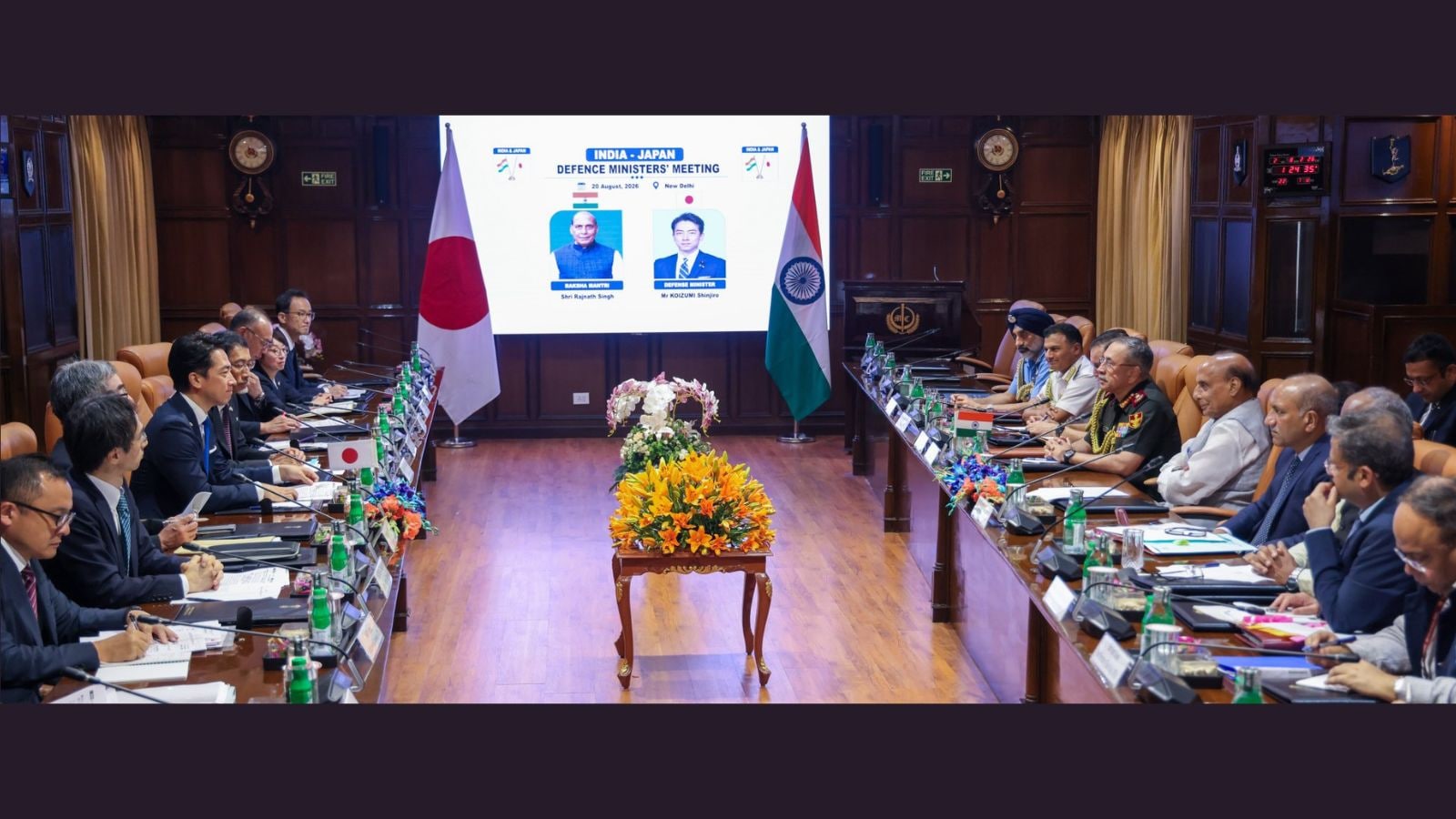
Stop looking at high-level diplomatic statements as just "talk." When India and Japan sat down in New Delhi this August 2026, they moved past the pleasantries. They didn't just sign another piece of paper. They laid the groundwork for an industrial and operational shift that alters how the Indian Ocean and the Pacific operate.
Defence Minister Rajnath Singh and his Japanese counterpart, Shinjiro Koizumi, signed a Memorandum of Arrangement (MoA) on Maritime Security Cooperation. If you’re wondering why this matters, it’s because it moves the relationship from "strategic convergence" to "execution."
The Shift to Shipyard Cooperation
For years, India and Japan have talked about being "natural partners." That’s a polite way of saying they both have significant concerns about regional stability and China’s expanding naval footprint. Now, they’re finally connecting their military needs to their industrial strengths.
The most practical part of this deal isn't the "security cooperation" heading; it’s the ship repair and shipbuilding component. Japan brings precision engineering, high-end naval design, and top-tier technology. India brings a massive, growing manufacturing base—the kind that thrives under the "Make in India" framework.
Basically, the idea is to stop building everything in isolation. Japan wants to explore how their designs can be built in Indian shipyards. For Japan, this isn't just about sharing a friendly gesture. It’s about creating a more reliable supply chain for the future. If a Japanese vessel in the Indian Ocean needs a quick fix, sailing back to a home port is a waste of time and fuel. With this pact, the goal is to make port access and repair facilities for each other’s navies a standard operating procedure.
Why This Matters for the Indo Pacific
Think about the sheer scale of the Indo-Pacific. It’s too big for any one nation to monitor alone. The new framework focuses on Maritime Domain Awareness (MDA). This is just jargon for "knowing what’s happening in our waters."
By sharing intelligence and coordinating search-and-rescue operations, the Indian Navy and the Japan Maritime Self-Defense Force are effectively widening their operational reach. It’s a force multiplier. They’re also pushing for:
- Integrated Logistics: Access to each other’s ports for fuel, maintenance, and supplies.
- Joint Development: Leveraging the shipborne UNICORN integrated communications antenna project as a blueprint for future tech transfers.
- Mine Countermeasures: Working together to secure vital Sea Lines of Communication (SLOCs).
Addressing the Reality of Implementation
Here’s the catch: signing an MoA is easy. Delivering on it is hard. The real test is whether these two can navigate their own bureaucracies.
Japan has historically been very cautious about its defence equipment transfer policies. Recent shifts in Tokyo have opened the door, but turning a policy shift into a completed naval vessel is a massive industrial hurdle. India, meanwhile, has to ensure its domestic shipyards can meet the rigorous quality and timeline expectations of a partner like Japan.
To keep this from becoming another stalled project, the ministers agreed to set up a working group at the director-general and joint-secretary level. This group has one job: accelerate the implementation. If you’re tracking this for business or regional stability, ignore the photo ops and watch this working group. That’s where the actual decisions happen.
Beyond the Bilateral
This relationship isn't happening in a vacuum. It’s happening alongside the Quad—the alliance involving the US and Australia. But this specific pact is a sign that India and Japan want a more direct, bilateral "connect" that doesn't always rely on the larger group for movement.
They also touched on something rarely mentioned in public statements: cooperation with India’s upcoming integrated theatre commands. This suggests that the two sides are looking at how their military assets might interact in a high-intensity, future conflict scenario.
What to Watch Next
If you’re looking at the practical outcomes of this, don’t hold your breath for a new fleet tomorrow. Instead, keep an eye on these two indicators:
- The Ship Repair Agreement: Watch for the finalization of the reciprocal repair arrangement. If they can make the logistics work, it proves they can manage the "un-glamorous" side of naval operations.
- The Defence Industry Forum: This will be the meeting place for private and public sector players to hash out the details of "Make in India" projects.
The real takeaway? Japan and India have finally realized that they are both better off if their navies can actually work together on the water and in the shipyard. It’s not just about guarding the seas anymore. It’s about building the infrastructure to stay there for the long haul.
Stop waiting for the next big announcement and watch the industrial collaboration instead. That’s the real story.