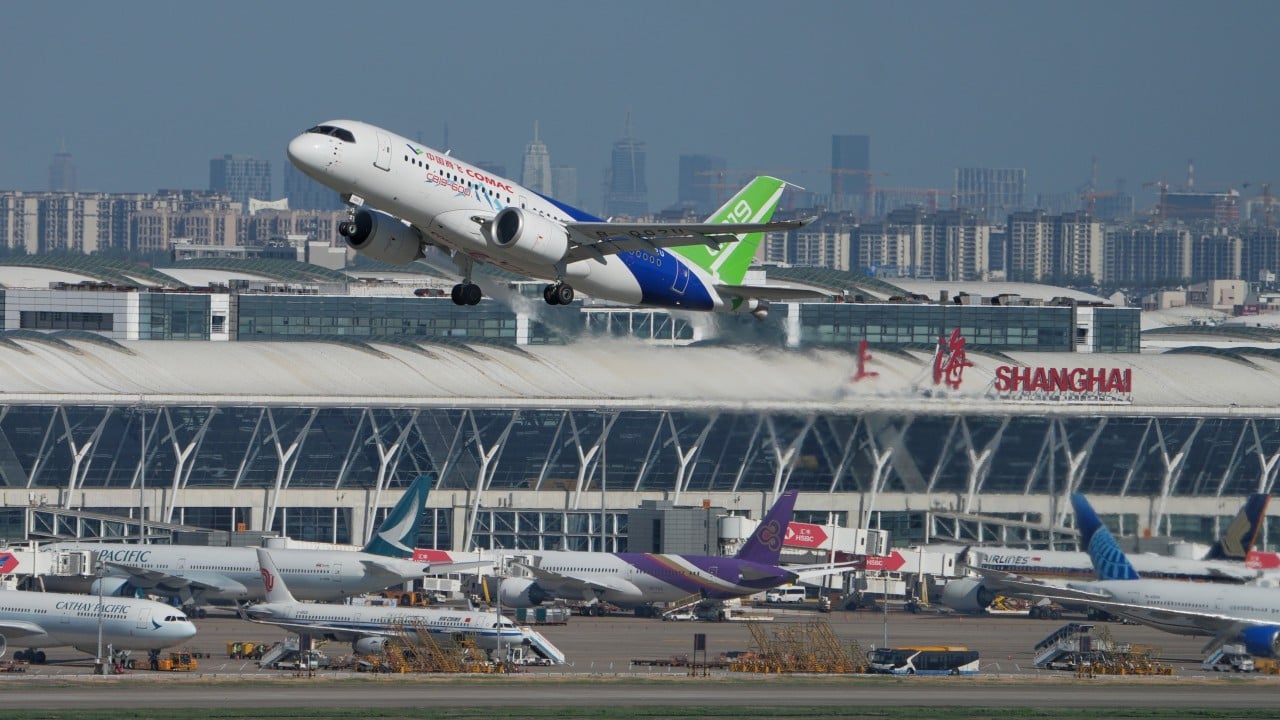
China's aviation ambitions just hit a major milestone. The high-altitude variant of the COMAC C919 completed its maiden test flight out of Shanghai Pudong International Airport.
It flew for nearly two hours. Every scheduled test item passed.
Most observers miss the real story here. This isn't just about a single plane flying in circles over the coast. It's about turning a single baseline narrowbody model into a full commercial aircraft family.
Tackling the Plateau Challenge
Flying at high elevations is brutal on commercial aircraft. Thinner air means less lift, shorter effective runways, and demanding takeoff conditions. If you want to serve airports sitting at 2,438 meters or higher, you need specialized engineering.
COMAC built this new variant with a shortened fuselage. It seats between 140 and 160 passengers. Engineers adjusted the flight control and integrated environmental systems specifically to handle the thin air and intense pressures of high-elevation plateaus.
Western regions like Xizang, Xinjiang, Sichuan, Qinghai, and Yunnan feature airports that regular commercial jets struggle to serve efficiently. This new variant aims right at that gap.
The Strategy Behind the Family
Building a single plane is hard. Building a family of aircraft based on a shared platform is how you actually challenge Airbus and Boeing.
Sharing parts, maintenance protocols, and pilot training across variants saves airlines millions. COMAC is following the exact playbook used by Western manufacturers, expanding from a standard baseline model into derivatives like this plateau version.
Xizang Airlines already locked in an order for 40 of these high-altitude C919 jets after partnering on its development. They also added 10 regional C909 aircraft to their books.
What Comes Next
Flight testing will take time. Certification requires rigorous tracking of performance metrics, system reliability, and safety margins.
Industry analysts point to a looming replacement window between 2028 and 2030. Older foreign-built narrowbody jets currently flying these regional routes are getting closer to retirement. COMAC wants a domestic option ready to fill those spots immediately.
Keep an eye on how quickly flight testing progresses over the next year. If the data holds up, the C919 family will establish a firm grip on some of the toughest airline routes in the world.