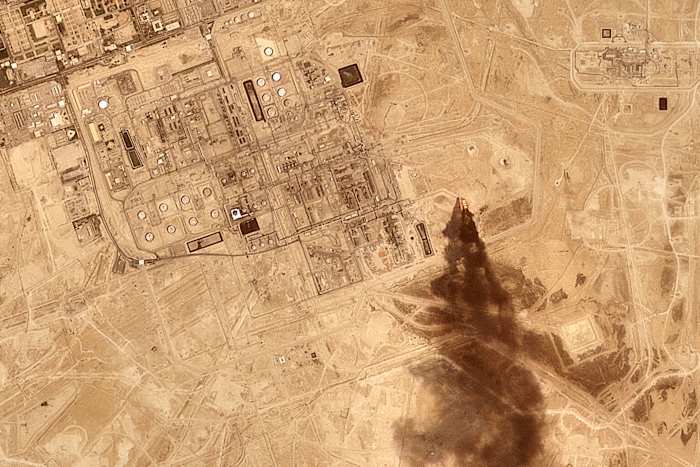
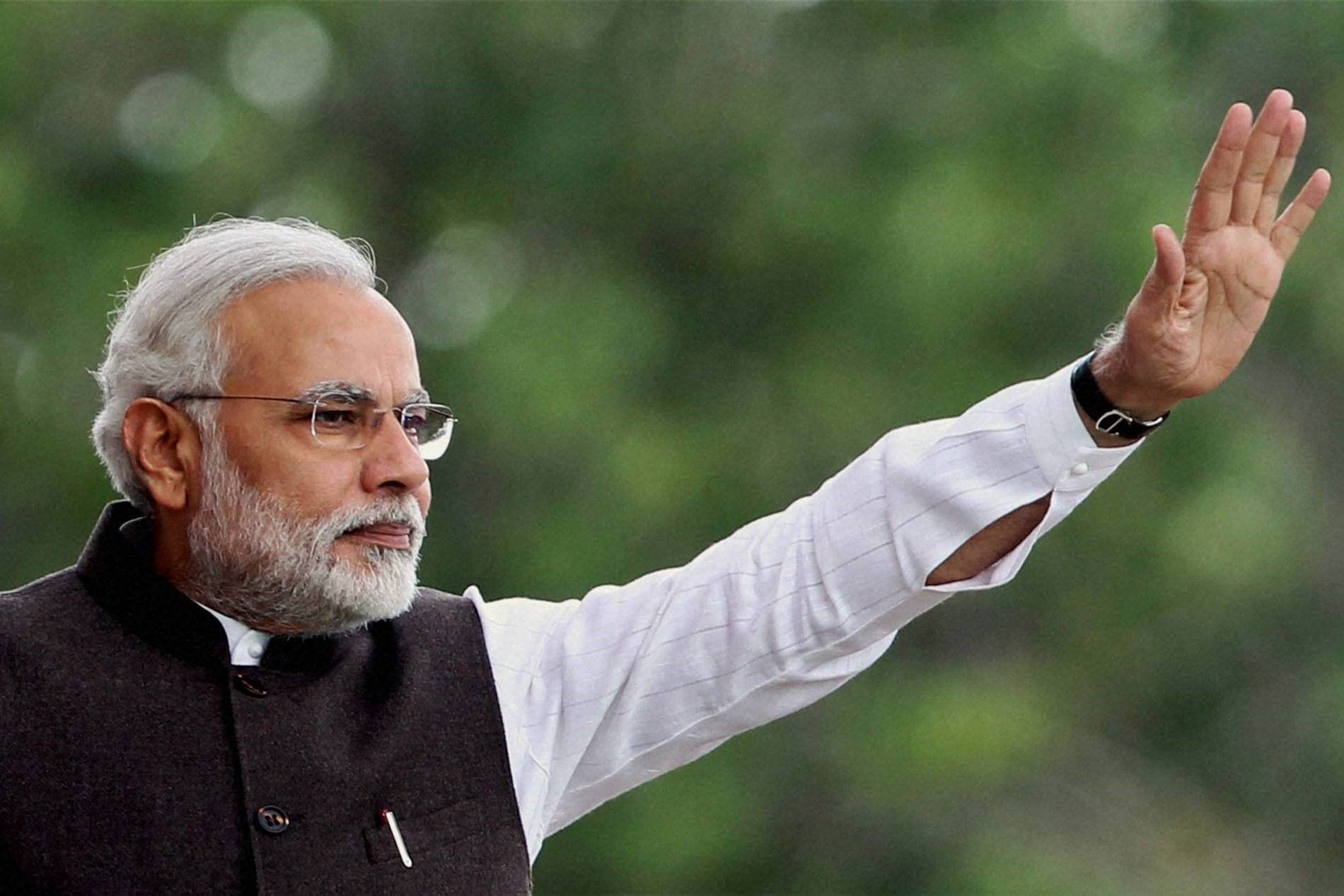
When the West Asia conflict spilled into the Gulf with missile exchanges involving Iran, US bases, and regional neighbors, conventional wisdom predicted diplomatic gridlock. Yet during the recent BRICS summit in New Delhi, something unexpected happened. Iranian President Masoud Pezeshkian and Abu Dhabi Crown Prince Sheikh Khaled bin Mohamed bin Zayed Al Nahyan sat down for direct bilateral talks.
It was the highest-level contact between Tehran and Abu Dhabi since the war began in February. More importantly, it happened on Indian soil after marathon negotiations led by New Delhi. If you found value in this article, you should read: this related article.
Can India mediate a truce between Iran and the UAE? The answer isn't a simple yes or no. It's about quiet bridge-building rather than loud Western-style arbitration.
The Reality of Middle Power Diplomacy
Most observers misunderstand how modern multi-alignment works. India doesn't act like a traditional superpower dropping ultimatums. New Delhi maintains robust energy partnerships with Tehran while safeguarding massive economic ties and expatriate communities in the UAE and Saudi Arabia. For another look on this story, see the recent coverage from USA.gov.
When foreign ministers met in May for preliminary BRICS discussions, deep divisions over the West Asian conflict blocked a consensus statement. The gap between Iranian grievances and Emirati security concerns looked unbridgeable.
India refused to let the summit collapse into inaction. Officials worked behind the scenes through intense, multi-level bargaining that stretched past midnight.
Why the New Delhi Declaration Matters
The breakthrough culminated in the 140-paragraph New Delhi Declaration. It addressed sensitive fault lines without naming specific aggressors, relying instead on core principles of sovereignty, territorial integrity, and the protection of civilian infrastructure.
Crucially, the text expressed serious concern over attacks on civilian and peaceful nuclear facilities. This careful wording allowed Iran to sign off on a joint document alongside Gulf states that host American military infrastructure.
[Iran & UAE Tensions] ➔ [Intense Indian Negotiations] ➔ [BRICS Sideline Bilateral Talks] ➔ [Consensus Declaration]
This dynamic mirrors the diplomatic maneuvering during India's 2023 G20 presidency, where a last-minute consensus was forged over the Russia-Ukraine war. New Delhi specializes in drafting compromises that let conflicting parties save face while keeping communication channels open.
The Energy and Economic Stakes
You have to look at the ledger to understand why India invests so much capital in Middle Eastern stability. Surging oil and gas prices hit India's economy instantly. Supply chain disruptions translate directly to inflation, a falling rupee, and rising consumer costs at home.
Furthermore, millions of Indian citizens live and work across the Gulf. Their safety and financial remittances remain deeply tied to regional peace. For India, keeping the Strait of Hormuz open isn't a theoretical geopolitical exercise—it's domestic economic survival.
What Comes Next for Gulf Diplomacy
A single summit meeting doesn't erase months of missile strikes and geopolitical rivalry. Iran still views certain regional military setups with deep suspicion, while the UAE worries about proxy warfare and freedom of navigation.
Yet, by facilitating direct contact between Pezeshkian and the Abu Dhabi Crown Prince, India proved that multilateral groupings can still function as shock absorbers in a fragmented world. BRICS didn't magically solve the West Asian war. But it stopped that war from destroying the ability of regional rivals to talk to one another in the same room.
India's West Asia Diplomacy: Iran-UAE Talks Behind BRICS' Biggest Breakthrough
This video provides an in-depth look at how Indian officials navigated behind-the-scenes talks to bring Tehran and Abu Dhabi to the negotiating table during the New Delhi summit.
http://googleusercontent.com/youtube_content/1