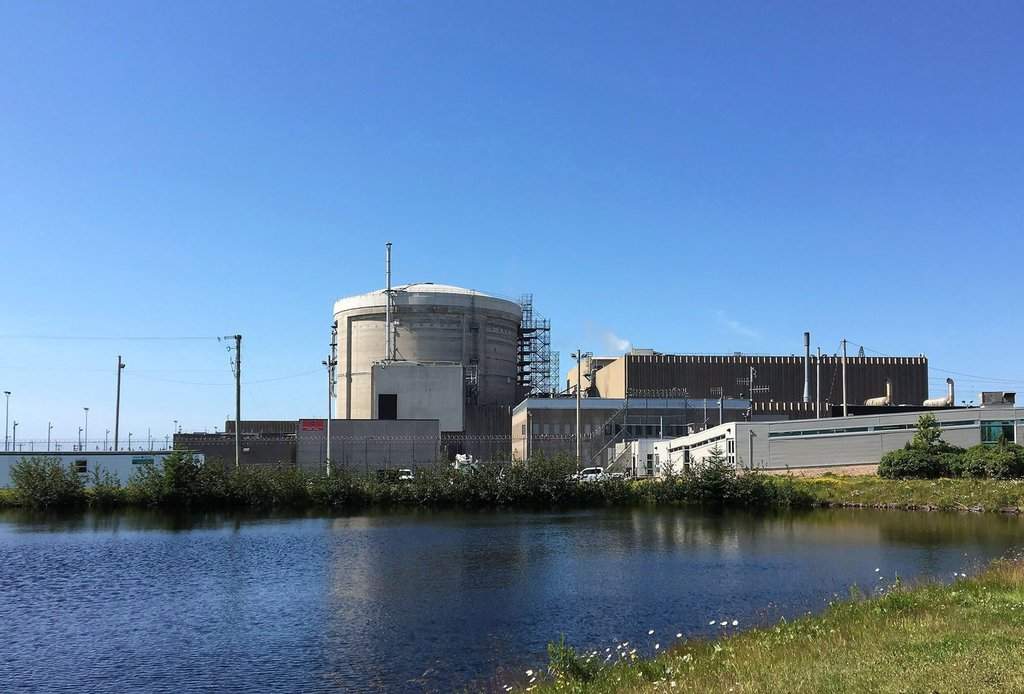
Nuclear power generation sounds futuristic and clean on paper, but when an aging facility runs into trouble, the realities of heavy industry catch up fast. The Point Lepreau Generating Station is offline again. It's the third time this year the facility has tripped offline, leaving provincial grid operators scrambling and residents wondering about reliability.
If you follow energy policy in Atlantic Canada, this latest outage isn't just a minor blip. It highlights the growing maintenance headaches associated with running infrastructure that has spanned decades. Plant officials expect the station to remain offline for a few weeks while repair crews tackle a heavy-water leak stemming from a broken instrumentation line.
Finding the Leak Inside an Aging Facility
You can’t just walk right up to a broken pipe inside a nuclear reactor core when things go wrong. Plant workers had to wait out a mandatory cooldown period before they could even approach the affected area. Even then, technicians needed specialized gear like scissor lifts just to reach the compromised instrumentation line.
Kathleen Duguay, the station's community manager, confirmed that crews successfully pinpointed the exact source of the heavy-water leak. Now comes the hard part: executing a precise fix inside a tightly regulated environment.
While NB Power insists there is zero risk to the public, employees, or the environment, repeated shutdowns shake consumer confidence. Public utilities hate unscheduled interruptions. They force grid managers to lean heavily on fossil fuel backups or emergency power purchases from neighbouring jurisdictions, driving up operational costs.
A Troubled Year for Point Lepreau
This facility has had a brutal calendar year. Let's look at the timeline:
- Spring Shutdown: The plant was completely offline from April through August for routine system checks, refueling, and planned maintenance upgrades.
- Early September Hiccup: Just weeks after coming back online, a separate turbine system failure forced another multi-day shutdown.
- Current Outage: Triggered on September 11 by the heavy-water leak, stretching into a multi-week repair window.
That is an immense amount of downtime for a baseload generation asset. When a single plant accounts for a massive chunk of a province's clean electricity supply, losing it repeatedly creates a stressful balancing act for regional energy grids.
The Core Problem With Old Infrastructure
Why does this keep happening? The truth is a paradox of modern engineering. Back around 2012, the plant underwent a massive refurbishment project that essentially rebuilt the nuclear core. On paper, that upgrade bought the station decades of extra life.
However, rebuilding the core doesn't mean the entire building got a clean slate. Many auxiliary components, including small pipes, valves, and legacy instrumentation lines, date all the way back to the 1980s when the station first opened.
It is the classic old-house problem. You can put a brand-new roof and a high-efficiency furnace into a Victorian home, but an original fifty-year-old pipe behind the bathroom wall is still going to spring a leak eventually. Nuclear plants operate under extreme pressure, temperature fluctuations, and relentless thermal stress. Those auxiliary parts take a brutal beating year after year.
What Happens Next for Regional Energy
Grid operators don't have the luxury of panicking, but they do have to manage immediate shortfalls. Energy planners must balance regional demand while Point Lepreau sits idle.
If you live in the region, keep an eye on utility updates from NB Power regarding grid stability and repair milestones over the coming weeks. Expect maintenance teams to face tougher questions from provincial regulators once the reactor is finally restarted. Aging nuclear assets require relentless oversight, and the margin for error shrinks every time an old line gives way.