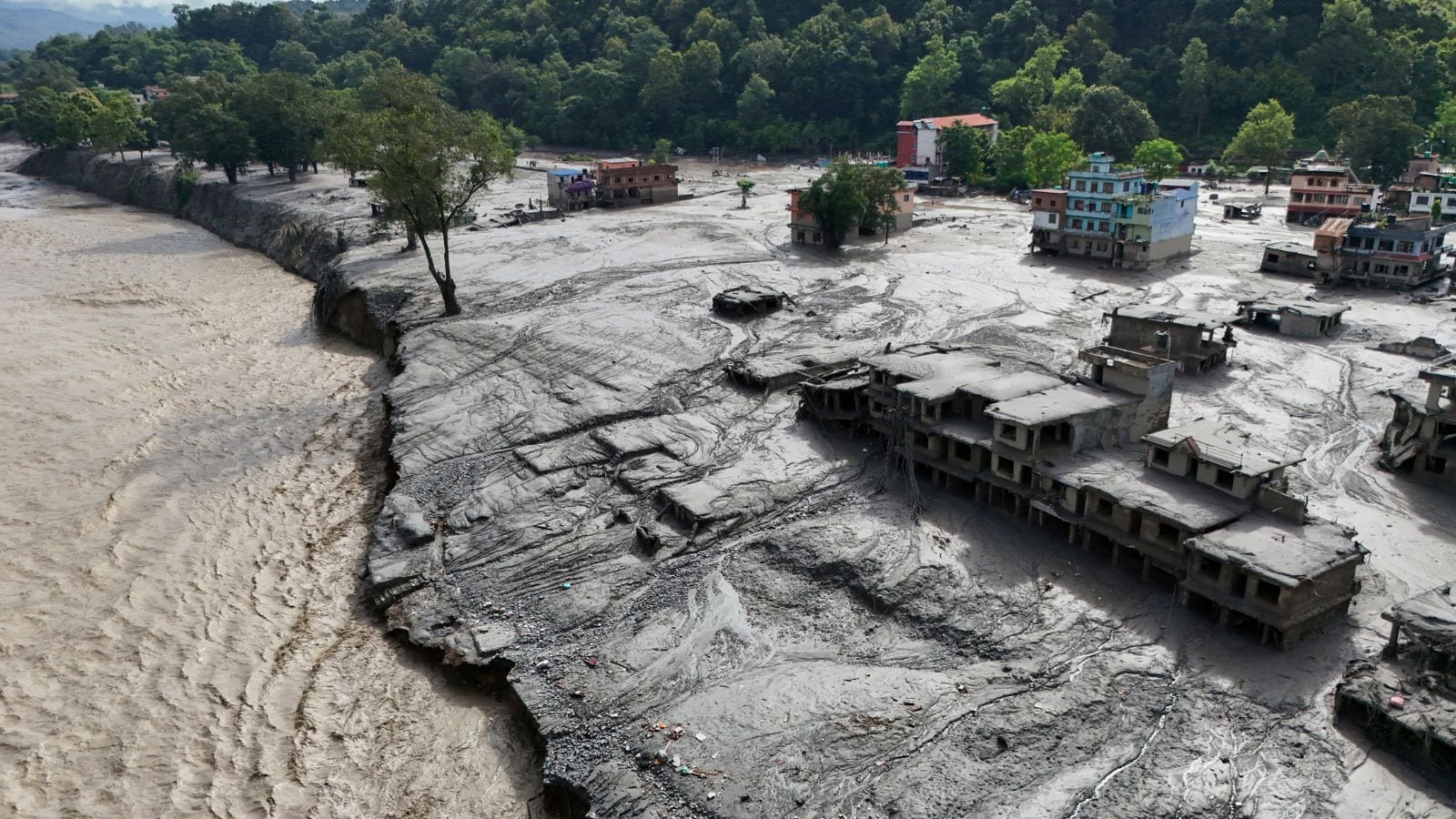
When an ice-rock avalanche triggers a massive debris flow down the Himalayan border, the consequences ripple far beyond local mountain villages. That is precisely what happened on August 26, when a catastrophic glacial collapse sent walls of water rushing through the Bhotekoshi and Trishuli river valleys.
If you've been following headline reports, you know the human cost is staggering. The confirmed death toll in Nepal has climbed past 1,300, with thousands of individuals still unaccounted for. Rescue workers are racing against time, unstable terrain, and persistent rains to reach survivors trapped in hydropower tunnels and buried under meters of dense mud.
The Reality on the Ground
Disaster response teams face unprecedented hurdles. When I look at how infrastructure collapsed under the immense weight of the mudslide, it's clear that standard emergency protocols aren't enough for high-altitude flash floods. Entire settlements along the riverbanks were wiped out within minutes.
Key challenges currently facing the rescue operation include:
- Tunnel Entrapment: Hundreds of workers remain out of reach inside blocked hydropower project tunnels across Rasuwa and Nuwakot districts.
- Identification Hurdles: Forensic specialists report that hundreds of recovered bodies are decomposed, fragmented, or missing parts due to prolonged immersion, making DNA testing mandatory.
- Transport Disruption: Key transit arteries like the Prithvi Highway have sustained heavy damage, slowing down the distribution of crucial relief supplies.
What Recovery Efforts Are Actually Achieving
Despite these grim conditions, localized grit is producing incredible moments of survival. Rescue crews recently pulled survivors alive out of structural air pockets and flooded project sites after days of searching. Specialized international teams from India and China have stepped in to assist the Nepalese Army, bringing in heavy machinery and cutting-edge tunnel-clearing equipment to clear debris tracks in places like the Chilime tunnel.
Authorities continue to issue high-alert warnings for communities living near the Bhotekoshi and Budhigandaki rivers. As intermittent rainfall threatens to destabilize fresh landslide dams formed in the upper mountain regions, staying informed through official channels like the National Disaster Risk Reduction and Management Authority remains vital for anyone operating or traveling in the affected zones.
Nepal Flash Floods: Death Toll Rises To 734, 2500 Still Missing
This video provides an on-the-ground overview of the ongoing rescue operations and the immense challenges faced by emergency response teams in Nepal.