You spend months preparing for your biggest sales window of the entire year, and then a wall of water takes it all away in seconds. That's the brutal reality facing hundreds of shopkeepers, importers, and traders in Nepal right now.
Devastating flash floods driven by heavy monsoon rains and swollen rivers like the Bhotekoshi have wrecked commercial hubs, wiped out entire inventories, and cut off vital supply lines. Worst of all, this catastrophe hit just weeks before Dashain, Tihar, and other major autumn festivals. For a country where private consumption drives a massive share of the economy, this timing couldn't possibly be worse. In related developments, take a look at: What The Trump Administration Deal With Alejandro Betancourt Means For Oil.
When Nature Disrupts Your Biggest Payday
If you've never run a retail business in South Asia during festival season, you don't fully understand the stakes. Months ahead of Dashain and Tihar, traders borrow heavily to stock up on everything from clothes and footwear to electronics and toys. They rely on these specific months to clear old debt and turn a profit.
Instead, thousands of importers are staring at total ruin. Take Ashok Kumar Chaurasia, a textile merchant in Trishuli Bazaar. When the floods hit, he barely escaped on a motorcycle with his family, leaving behind six shops and uninsured goods worth millions of Nepalese rupees. Stories like his are repeating across Betrawati Bazaar and other commercial districts where entire market rows simply vanished under mud and raging water. Investopedia has also covered this critical subject in extensive detail.
Supply Chains Choked at the Border
It's not just local shops dealing with destroyed stock. The physical infrastructure linking Nepal to its major import sources has taken a severe beating.
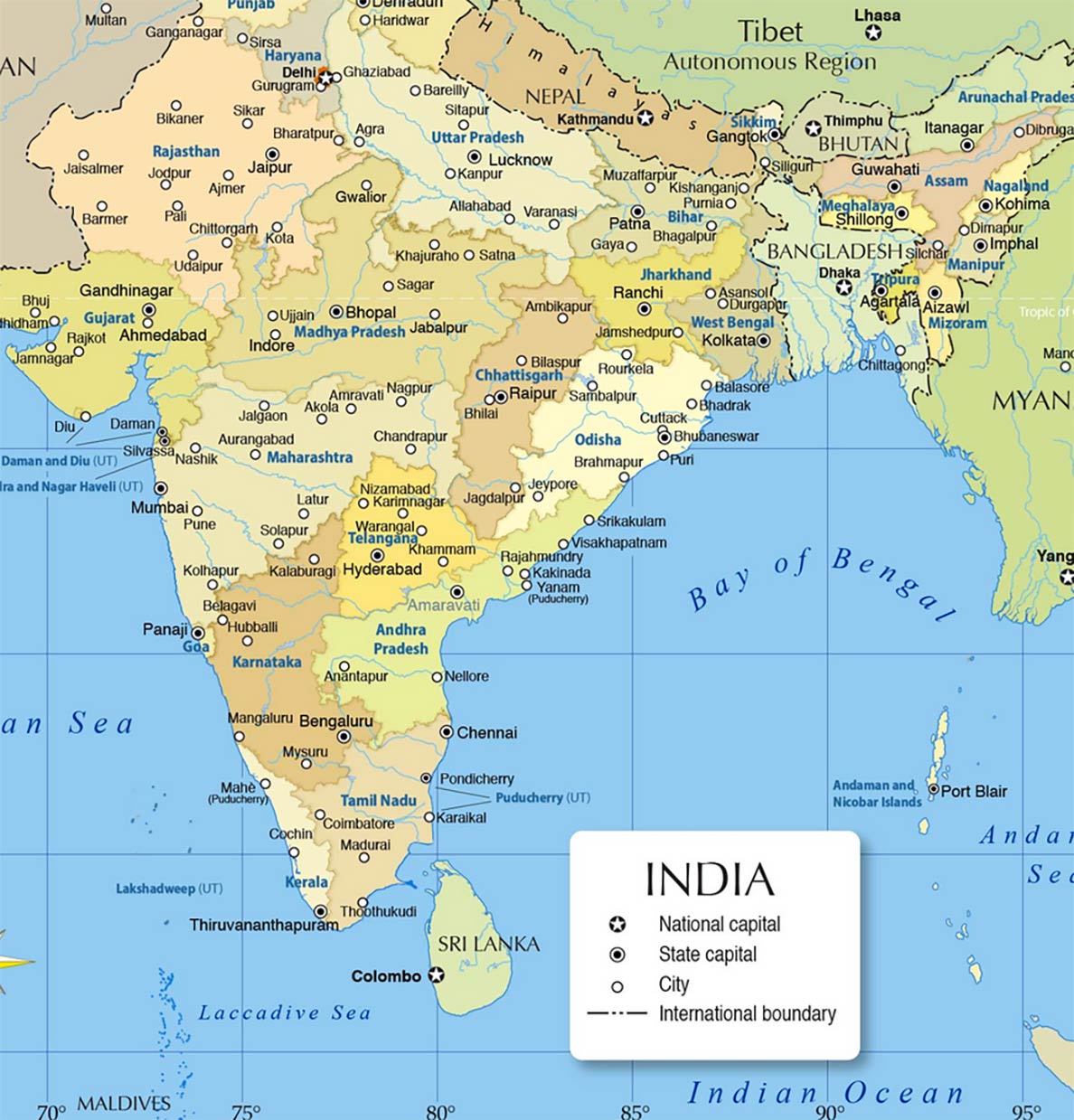
The Rasuwagadhi border crossing—the main overland artery for trade with China—was severely damaged when floods washed away access roads and stranded hundreds of container trucks. Meanwhile, the Tatopani checkpoint faced closures due to landslide risks.
Traders have been forced to reroute cargo trucks through the distant Korala border in Mustang. But that change comes with heavy penalties:
- Transport times from China have stretched to 10 or 12 days.
- Haulage costs have jumped by 10 to 15 percent, pushing prices higher for consumers already dealing with an economic squeeze.
- Importers note that Korala's high altitude and rough terrain make it a poor substitute for a high-volume commercial route.
Even large firms aren't safe. Automotive distributors have reported losing entire fleets of pre-ordered electric vehicles meant for eager buyers, while others watch shipments sit trapped across the border.
What Comes Next for Local Merchants
Recovery won't be quick or cheap. Business owners are caught between mounting bank loans, unpaid supplier invoices, and ruined paperwork that makes insurance claims nearly impossible to process. While the government has promised concessionary financing and emergency relief packages, bureaucratic delays often leave small traders stranded when they need liquidity the most.
If you're an entrepreneur or investor watching these supply chain shocks unfold, the lesson is clear. Relying on single, fragile trade corridors in climate-vulnerable regions is a massive operational risk. Diversifying logistics paths and securing comprehensive business interruption insurance are no longer optional luxuries. They're basic survival tools for modern retail.
NDTV Ground Report From Betrawati Bazaar, 500+ Shops Wiped Out
This video provides an on-the-ground look at the devastating impact of the flash floods on local shopkeepers and market infrastructure in Nepal.
http://googleusercontent.com/youtube_content/1