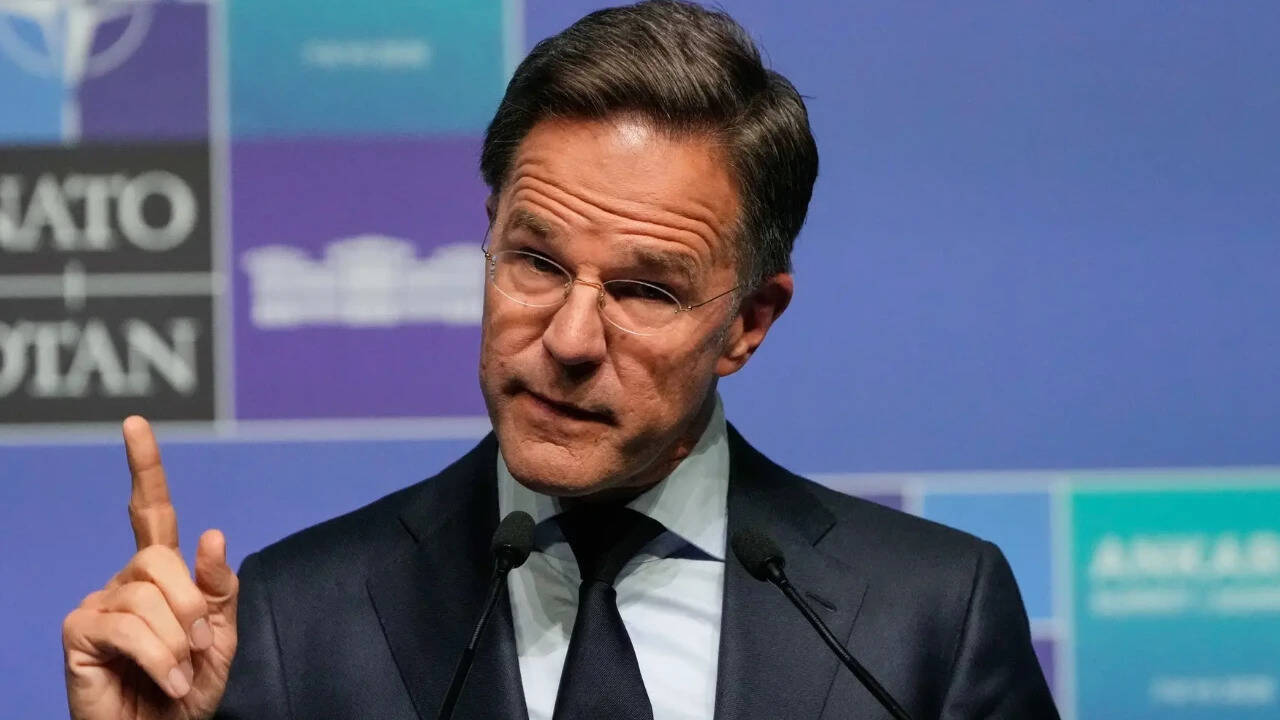
The days of free-riding under America's military umbrella are officially over. If you want proof, look no further than Ankara, where NATO members are gathering for a high-stakes two-day summit. On the eve of the meetings, NATO Secretary-General Mark Rutte dropped a bombshell, demanding that all 32 member nations submit clear, concrete, and credible defense plans.
Then came the kicker. When asked what happens to countries that lag behind, Rutte didn't mince words. "If one or two still have to be convinced, we have ways to do that," he warned.
This isn't the usual diplomatic polite cough. It's a blunt ultimatum. The alliance is facing a massive shakeup as Donald Trump pushes his "NATO 3.0" vision, forcing Europe to take the driver's seat in its own defense while the US shifts its focus. For lagging nations, the message is clear: pony up immediately or face real consequences.
The Reality of the New 5% Target
For years, NATO's golden rule was the 2% defense spending target. Many European nations treated it like a soft suggestion rather than a hard rule. Well, the goalposts didn't just move—they were completely replaced.
The alliance agreed to an aggressive 5% GDP investment target. Here's how that massive number breaks down in reality:
- 3.5% of GDP must go directly into national defense budgets to buy weapons, train troops, and modernize equipment.
- 1.5% of GDP must be funneled into dual-use infrastructure. We're talking about upgrading roads, reinforcing bridges, and expanding ports so heavy military gear can move across Europe at lightning speed during a crisis.
Some countries are doing heavy lifting. European allies and Canada are projected to invest an extra $258 billion into defense across 2025 and 2026 compared to previous years. Germany is doubling its spending. But for others, the fiscal pain is causing major pushback. Spain endorsed the targets but openly insists it can secure its borders without spending that much cash. Meanwhile, a handful of members are still struggling to cross the old 2% line.
Washington Has Lost Its Patience
If European leaders think Rutte is acting alone, they're misreading the room. The pressure from Washington is intense. US Ambassador to NATO Matthew Whitaker backed up the chief's warnings with ominous hints of his own, stating that the Trump administration has "something in store" for nations that drag their feet.
Trump wants immediate action, and his demands are tied to an explicit expectation of loyalty. The White House is furious that several European allies blocked the US from using local military bases during the US-Israeli conflict with Iran.
This isn't just about money anymore. It's about strategic alignment. The US is promoting a doctrine designed by Undersecretary of Defense Elbridge Colby, where Europe manages its own continent, allowing Washington to pivot its resources elsewhere. If European capitals refuse to fund their own safety, the US may simply pull back the security guarantees that keep Russia at bay.
Can European Budgets Survive the Buildup?
The big question nobody wants to answer directly is where this money will come from. You don't just find billions of dollars hiding in the couch cushions.
A fresh report from the European Stability Mechanism confirms that while the 5% target is doable, it's a fiscal nightmare. Most European nations are relying heavily on debt financing to pay for these new weapons contracts. Turning to debt creates a massive long-term economic headache.
Governments are trapped. To hit Rutte's targets, they have to make brutal choices: raise taxes on citizens already dealing with inflation, or gut public services like healthcare, education, and pensions to fund artillery shells.
The Immediate Battle for Ukraine
While NATO squabbles over long-term budgets, the immediate crisis on the ground hasn't vanished. Ukraine is actively altering battlefield dynamics, but Rutte stressed that their success hinges entirely on uninterrupted Western support.
Air defense systems are the critical priority. Russia continues to pound Ukrainian cities, and without a constant supply of interceptors, any territorial gains by Kyiv could quickly evaporate. This funding fight creates a direct security risk today, not just a decade from now.
What Happens Next
The Ankara summit is hosting a major event dubbed the "big reveal," where NATO will showcase billions of dollars in new military hardware acquisitions, including a long-overdue replacement for its aging fleet of surveillance planes.
If you want to understand where the alliance is heading, keep your eyes on these next milestones:
- Watch the formal defense plan submissions over the next 48 hours to see which countries submit vague timelines instead of hard numbers.
- Monitor Spain and Italy's fiscal announcements to see if they issue formal policy carve-outs or capitulate to Washington's pressure.
- Track the upcoming US bilateral security reviews, which will likely reveal the exact "consequences" Whitaker and Rutte are holding over reluctant allies.