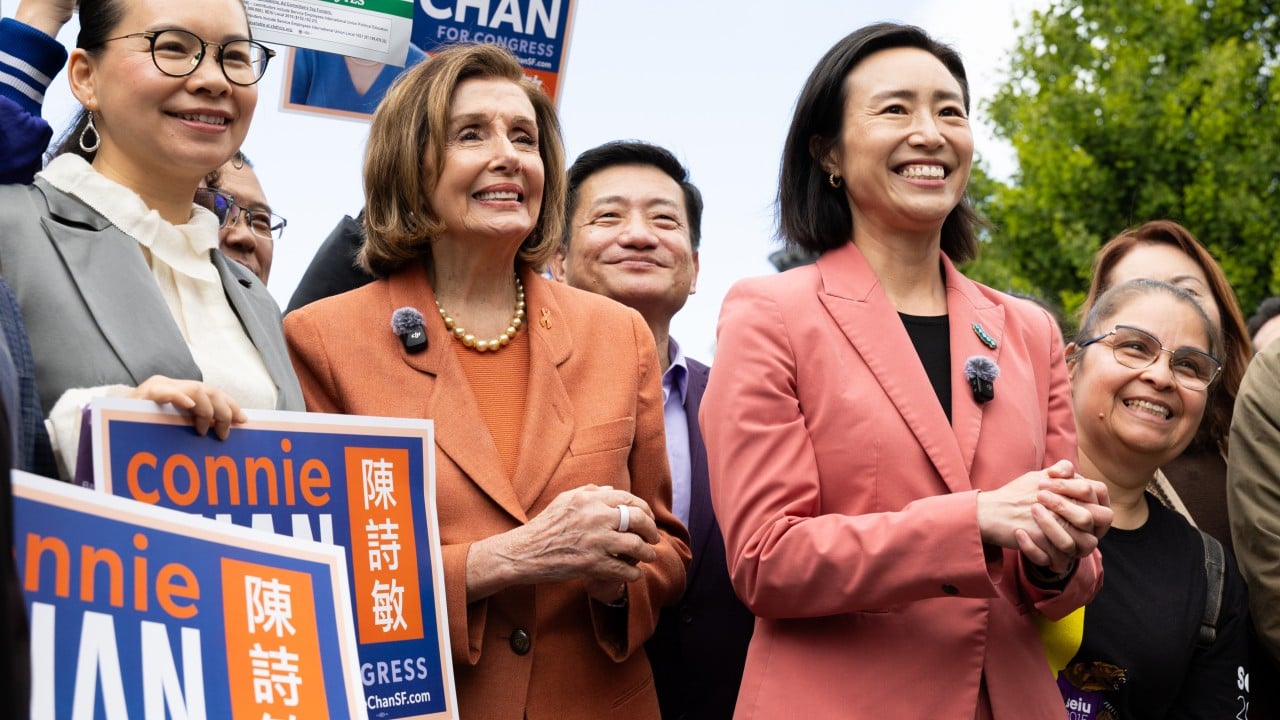
Nancy Pelosi is finally stepping away from her San Francisco congressional seat, and her choice of successor is turning heads from California to Beijing. By throwing her weight behind local supervisor Connie Chan, the ultimate Washington hawk is backing someone with a radically different focus. Chan is laser-focused on local issues like housing, public transit, and municipal budgets, offering a sharp contrast to Pelosi’s decades of high-profile international posturing.
But don't expect this local shift to fix the fractured relationship between Washington and Beijing.
The national consensus on China has hardened into stone. Both political parties see Beijing as America's chief global rival. One local politician changing her tune in a deep-blue district won't alter that trajectory. While Chan's softer rhetorical style marks a massive break from Pelosi's legacy, the systemic forces shaping American foreign policy run far deeper than a single congressional handoff.
The San Francisco Handoff and a Shift in Tone
Pelosi's endorsement of Chan shocked a few political insiders who expected a more traditional national security moderate to get the nod. For nearly forty years, Pelosi ran her district as a launchpad for global human rights campaigns, culminating in her dramatic 2022 visit to Taiwan that sent military jets scrambling. Chan represents a completely different political animal. She built her reputation fighting for tenants, expanding public parks, and navigating the messy reality of city hall.
When asked about global diplomacy, Chan sticks to a localized script. She talks about the vibrant Chinese-American community in San Francisco and the practical need to avoid harmful rhetoric that fuels anti-Asian hate. It's a pragmatic, community-first position. It stands in stark contrast to Pelosi’s thundering pronouncements on global democracy.
This difference matters on the ground. For years, parts of the local constituency felt Pelosi’s international crusades ignored the immediate crises on San Francisco's streets. Chan promises to fix that imbalance by keeping her eyes firmly on the city.
Why Congress Stays Aggressive on China
The reality of Capitol Hill will hit any newcomer fast. Individual lawmakers rarely change the course of foreign policy unless they climb into major committee leadership spots over decades. Right now, the anti-Beijing sentiment in Congress is a rare point of absolute bipartisan agreement.
Capitol Hill treats economic competition and security risks as immediate threats. Bipartisan groups constantly push for tighter tech export controls, fewer tax incentives for companies buying Chinese tech, and deeper security support for regional allies. A single freshman representative cannot dismantle this political infrastructure. If Chan wins the seat, she enters a legislature where voting to look tough on Beijing is the default setting for survival.
The political pressure to maintain this stance is immense. Lawmakers who try to moderate their language get labeled as weak by opponents almost instantly. The system rewards aggression and punishes nuance when it comes to international rivals.
Local Representation Versus Global Strategy
San Francisco’s unique demographics make this race a delicate tightrope walk. The city boasts one of the oldest and most politically active Chinese-American communities in the United States. These voters aren't a monolith. Some families have roots going back generations, while others are recent arrivals. Their views on the Chinese Communist Party vary wildly.
Chan’s soft-spoken approach avoids alienating large swathes of her base. She connects foreign policy directly to local safety, arguing that aggressive Washington rhetoric trickles down as violence against Asian-American seniors on local buses. It's a powerful argument for a local audience.
Yet, translating that community-first protection into a working foreign policy strategy is nearly impossible in today's Washington. The federal government operates on macro-level calculations about microchips, supply chains, and naval freedom of navigation. A freshman lawmaker's desire to protect her neighbors from hateful rhetoric doesn't move the needle when the Pentagon is planning for a long-term Pacific standoff.
What Actually Happens Next
If you're watching this race hoping for a sudden thaw in global tensions, look elsewhere. The true levers of the relationship sit with the executive branch and the institutional leadership of the House and Senate.
Keep an eye on the upcoming committee assignments for whoever wins Pelosi's seat. If Chan takes the office and secures a spot on a high-profile committee like Ways and Means, her votes on tariffs and trade will tell the real story. Watch how she navigates specific trade legislation rather than her campaign speeches.
For the immediate future, look at how major tech firms in Silicon Valley react to federal restrictions. Their lobbying efforts and compliance strategies will shape the economic reality far more than the rhetoric coming out of San Francisco’s congressional office. Pay close attention to federal funding lines for domestic manufacturing, as these investments will lock in the economic divide regardless of who holds the gavel.