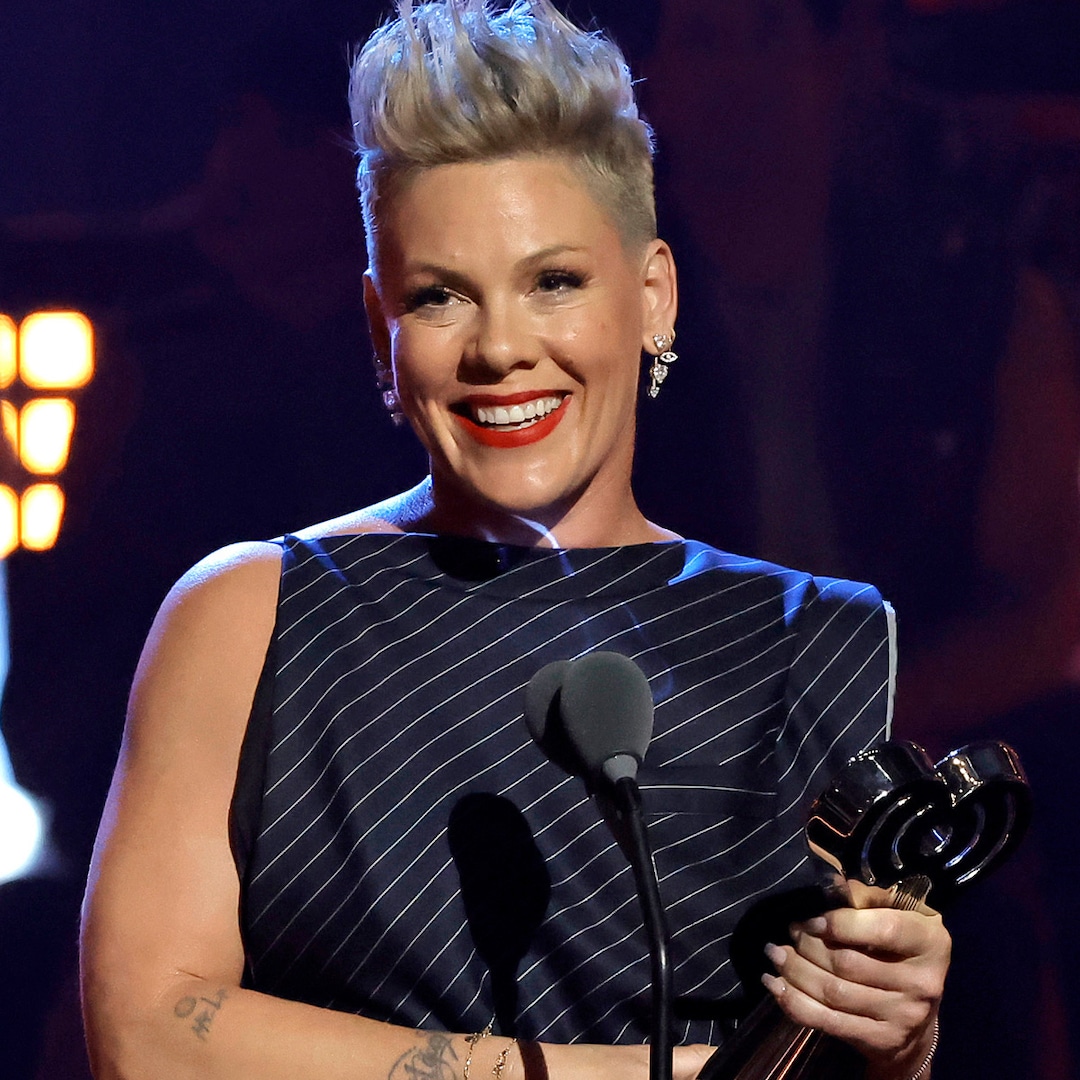
Ukraine made another high-stakes leadership trade at the top of its armed forces. President Volodymyr Zelenskyy replaced General Oleksandr Syrskyi with 43-year-old Major General Mykhailo Drapatyi.
The decision caught many Western observers off guard, but on the ground in Kyiv and along the Eastern front, the move felt long overdue.
Syrskyi delivered crucial wins. He helped hold Kyiv in the opening days of the full-scale war, orchestrated the lightning Kharkiv counteroffensive in 2022, and managed the risky Kursk invasion. Yet his reputation among frontline commanders was increasingly strained. Troops tagged him with Soviet-style tactics that burned through men and matériel for marginal ground.
Enter Mykhailo Drapatyi.
Drapatyi isn't a desk officer or a creature of political maneuvering. He belongs to a distinct generation of Ukrainian officers who never served in the Soviet military. He learned modern warfare through active combat, rising through the ranks since 2004.
Can one commander alter the trajectory of a grinding war of attrition against a numerically superior enemy?
The answer isn't simple. Changing the chief of defense doesn't automatically print more artillery shells or fix deep structural manpower shortages. But Drapatyi brings a fundamentally different approach to command, force protection, and tactical innovation that could alter how Ukraine fights over the coming months.
Who Is Mykhailo Drapatyi
To understand how Drapatyi operates, you have to look back to May 2014.
During the initial Russian-backed uprising in Donetsk, a young Major Drapatyi commanded the 2nd Battalion of the 72nd Mechanized Brigade. Pro-Russian militants barricaded streets in Mariupol to trap Ukrainian forces. Drapatyi didn't negotiate or retreat. He sat inside a BMP infantry combat vehicle and rammed straight through a massive concrete and tire barricade at high speed.
The video went viral globally. It became an early symbol of Ukrainian resistance.
Months later, near the Russian border in Zelenopillia, his unit found itself surrounded and pounded by heavy rocket barrages firing directly from inside Russian territory. Trapped without air cover or direct logistics support, another battalion surrendered. Drapatyi refused. He organized a breakout column of 260 men and 30 vehicles, fighting through 40 kilometers of hostile territory over three grueling days. He brought almost every single soldier back to friendly lines alive, losing only one man in the process.
That episode defined his career track.
Drapatyi built a reputation as a commander who takes aggressive tactical risks without treating his troops as disposable assets. When he graduated top of his class at the National Defense University of Ukraine in 2021, the British ambassador presented him with the Queen's Sword.
When Russia launched its full-scale invasion in 2022, Kyiv repeatedly called on Drapatyi to plug critical holes. He ran defense operations in Odesa, took charge of the Kherson sector, and was rushed in to stabilize the Kharkiv front line when Russian forces broke through near Vovchansk in May 2024.
His appointment as Commander-in-Chief on July 21, 2026, marks the rise of Ukraine's first truly post-Soviet war chief.
Why Zelenskyy Made the Change Now
The timing of this shuffle surprised foreign media, but inside the Ukrainian defense community, tension had been building for months.
Ukraine faces severe pressure along the Pokrovsk and Toretsk sectors in Donbas. Russian forces have used brutal human-wave infantry tactics backed by glide bombs to slowly eat away at Ukrainian strongholds. Under Syrskyi, frontline officers frequently complained about rigid orders from above, delayed tactical retreats, and an obsession with holding territory at catastrophic human cost.
Zelenskyy needed to reset military leadership for three main reasons.
1. The Need to Save Troops
Mobilization in Ukraine remains politically and socially tense. The country cannot afford to trade lives at a one-to-one ratio against Russia's vastly larger population. Syrskyi's top-down approach created friction with younger commanders who argued that preserving trained soldiers matters far more than holding a ruined tree line.
Drapatyi has consistently prioritized troop safety and operational flexibility. Back in June 2025, while serving as commander of the Ground Forces, Drapatyi took an unprecedented step: he publicly tendered his resignation after a Russian strike hit a training facility, killing 12 soldiers. In an military environment where commanders often pass blame down the chain, taking personal responsibility for training safety resonated deeply with ordinary soldiers.
2. Fixing Army Command and Corps Reform
Ukraine started transitioning its army structure toward NATO-style corps commands to streamline communication between headquarters and brigade commanders. However, implementation lagged under previous leadership, leaving confusing layers of bureaucratic oversight.
Zelenskyy explicitly tasked Drapatyi with finishing this corps reform and stripping away redundant administrative command layers.
3. Integrating Unmanned Systems at Scale
Modern combat on the Ukrainian front lines is dominated by short-range FPV drones, long-range attack drones, and automated electronic warfare units. Drapatyi pioneered drone-heavy defensive grids while leading the Odesa operational group in 2023, integrating real-time drone feeds directly into artillery strike cells.
He doesn't view tech as a secondary support tool. He views it as the primary force multiplier.
What Changes Under Mykhailo Drapatyi
Don't expect Ukraine to suddenly launch a massive armored blitzkrieg across hundreds of kilometers of fortified territory. Drapatyi is a pragmatist, not an idealist.
His strategy focuses on asymmetrical pressure, deep strikes, and shifting from passive defense to aggressive counter-punches.
Here is what his leadership will actually look like on the battlefield.
+-------------------------------------------------------------------+
|                  DRAPATYI'S OPERATIONAL PRIORITIES               |
+-------------------------------------------------------------------+
| 1. Decentralized Frontline Command                               |
|    - Giving brigade and battalion commanders authority to act.    |
|    - Ending rigid hold-at-all-costs orders on defenseless terrain.|
+-------------------------------------------------------------------+
| 2. Deep Asymmetrical Retaliation                                  |
|    - Escalating cross-border strikes against Russian logistics.   |
|    - Expanding covert operations behind enemy lines.              |
+-------------------------------------------------------------------+
| 3. Accelerated Corps Structuring                                  |
|    - Replacing bloated operational groups with streamlined corps.  |
|    - Directing equipment straight to active brigade units.        |
+-------------------------------------------------------------------+
Decentralized Decision Making
The biggest operational flaw in Soviet military doctrine is centralized command. Subordinates wait for orders from senior staff officers who are miles away from the actual fighting. By the time an order arrives, the situation has already changed.
Drapatyi favors Western-style mission command (Auftragstaktik). He sets clear objectives, gives brigade commanders the resources they need, and expects them to make decisions on the ground in real time. If a commander needs to pull back 500 meters to safer positions to save a company, Drapatyi won't court-martial them for doing so.
Intensified Asymmetrical Operations
Hours after taking office, Drapatyi announced plans to intensify offensive operations in all domains, specifically targeting Russian rear areas and logistics hubs.
Ukraine cannot match Russia tank for tank or artillery shell for artillery shell. It must strike where Moscow is weak: military airfields, fuel depots, rail lines, and command posts deep inside Russian territory. Under Drapatyi, expect deeper drone barrages and expanded sabotage operations behind Russian positions.
Rebuilding Soldier Trust
Trust between high command and the trenches had frayed over the past year. Drapatyi enjoys genuine respect from prominent frontline commanders like Bohdan Krotevych of Azov, Robert "Madyar" Brovdi of the 414th Strike UAV Regiment, and Pavlo Palisa.
By bringing popular combat leaders into key advisory roles within the General Staff, Drapatyi bridges the gap between field officers and headquarters.
The Massive Challenges Facing Ukraine's New Chief
Drapatyi inherits a brutal situation. No commander, regardless of talent, can fix deep structural deficits overnight.
       [ Ukraine's Core Strategic Bottlenecks ]
                          |
   +----------------------+----------------------+
   |                      |                      |
[Manpower Shortfall] [Western Weapon Gaps] [Russian Material Mass]
   |                      |                      |
Draft friction        Erratic delivery       10:1 artillery edge
Low rotation rate      Ammunition quotas      Glide bomb strikes
Acute Manpower Shortages
The Ukrainian army is tired. Tens of thousands of infantrymen have been in active combat for years without proper rotation. Mobilization efforts remain slow, and training quality for new recruits varies wildly across training bases.
Drapatyi must find a way to rebuild army reserves without pulling essential combat units off the front line, all while keeping Russian forces from making major operational breakthroughs.
Ammunition and Air Defense Shortages
Russia continues targeting Ukrainian energy infrastructure and military positions using thousands of guided glide bombs (KABs) each month. Ukraine's air defense stockpiles depend heavily on unpredictable Western aid deliveries.
Without reliable air defense protection for frontline positions, no tactical reform can fully shield infantry units from heavy Russian bombardment.
Russian Material Dominance
Moscow has converted its economy to a war footing. Russian factories pump out tanks, drones, and artillery shells around the clock, supplemented by military supplies from North Korea and Iran.
Ukraine cannot beat Russia in a war of grinding attrition. Drapatyi must find tactical answers that force Russia to pay an unsustainable price for every kilometer gained.
Realistic Expectations for the War in 2026
Will Mykhailo Drapatyi alter the direction of the war?
He will not magically push Russian forces back to the 1991 borders by next month. Anyone promising a swift victory is selling fantasy.
What Drapatyi can do is alter how Ukraine fights.
If he succeeds in streamlining command structures, scaling drone integration, and protecting Ukraine's combat personnel, he will render Russian offensive operations vastly more costly. Russia's strategy relies on grinding Ukraine down through sheer numbers and exhaustion. Drapatyi's strategy aims to make that grinding process so costly for Moscow that continuing the war becomes unsustainable.
He represents a clear break from old Soviet military traditions. He is young, pragmatic, battle-tested, and willing to take responsibility when things go wrong.
Whether that is enough to break the current stalemate depends not just on his tactical skills, but on how fast Western partners deliver heavy weaponry and how effectively Ukraine solves its internal recruitment challenges.
Key Tactical Moves to Watch
To judge whether Drapatyi's leadership is working over the coming months, keep your eyes on these specific operational indicators:
- Shift in Defensive Positions: Watch whether Ukrainian units start conducting flexible defensive retreats in high-risk sectors like Pokrovsk instead of defending exposed positions to the last man.
- Deep Strike Frequency: Monitor the frequency and precision of long-range drone strikes against Russian logistical bottlenecks, ammunition dumps, and airfields inside Russian borders.
- Integration of Specialized Drone Battalions: Look for standard infantry brigades being formally paired with independent unmanned systems strike regiments.
- General Staff Restructuring: Track whether younger combat commanders replace older staff officers inside the top layers of the Ukrainian defense staff.