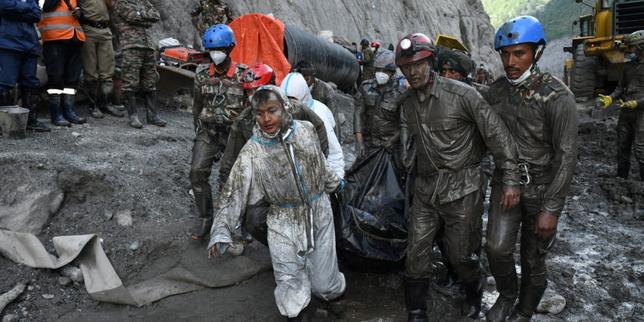
The numbers coming out of Kathmandu are staggering. Authorities in Nepal have revised the missing persons count to 6,150 following the catastrophic floods and glacial collapses that slammed the region late last month. What started as an unfolding tragedy along the northern border with China has evolved into one of the most severe humanitarian and logistical crises the Himalayan nation has faced in decades.
If you've been following the updates, you know the official data shifts almost daily as remote district offices finally relay verified ground reports. But beneath the raw statistics lies a grueling reality of recovery efforts, ruined infrastructure, and families clinging to fading hopes in districts like Rasuwa.
Why the Missing Count Keeps Climbing
Data collection in the high-altitude terrain of northern Nepal is never straightforward. When torrents triggered by a massive glacial mountain collapse tore through river valleys on August 26, roads vanished, communication lines severed, and entire communities became isolated overnight.
Disaster authority spokesperson Shanti Mahat explained that the jump from 5,179 missing individuals to the current 6,150 tally isn't a random spike. It represents the grinding, methodical work of district officials finishing field verifications, cross-referencing local registries, and accounting for missing foreign tourists and pilgrims.
At the same time, recovery workers keep pushing into blocked subterranean infrastructure. Rescue teams recently pulled ten bodies from hydropower project tunnels in Rasuwa—five from Chilime and five from Upper Trishuli-1. Specialized personnel literally dug out the final stretches by hand when heavy excavators could go no further. It's slow, dangerous labor.
The Grim Totals and International Impact
The broader scale of the disaster spans borders. According to recent agency figures, the confirmed death toll in Nepal has climbed to 1,403, with only 105 bodies formally identified so far. Across the border in Tibet, state media reports 43 deaths and 519 missing. Combined, the total sits at 1,446 dead and at least 6,669 missing across both countries.
Among the missing are hundreds of foreign nationals, complicating consular responses and international aid coordination. The disaster didn't spare major economic lifelines either, heavily damaging regional hydropower assets that power local industry and communities. Economists estimate that complete reconstruction will run past $4.78 billion—a crushing burden for a nation of 30 million people that contributes a tiny fraction of global carbon emissions.
Facing the Climate Reality in the Himalayas
Nepal finds itself on the front lines of environmental shifts it didn't cause. Rising global temperatures are destabilizing high-altitude glaciers, turning normal seasonal weather events into catastrophic flash floods. Prime Minister Balendra Shah is slated to bring these urgent warnings to the United Nations General Assembly, pushing for climate accountability and immediate reconstruction support.
For families waiting outside hospitals in Kathmandu to inspect photographs of recovered items and victims, political debates offer little comfort. They want closure, answers, and the resources to rebuild homes washed away by waters that changed the Himalayan landscape forever.