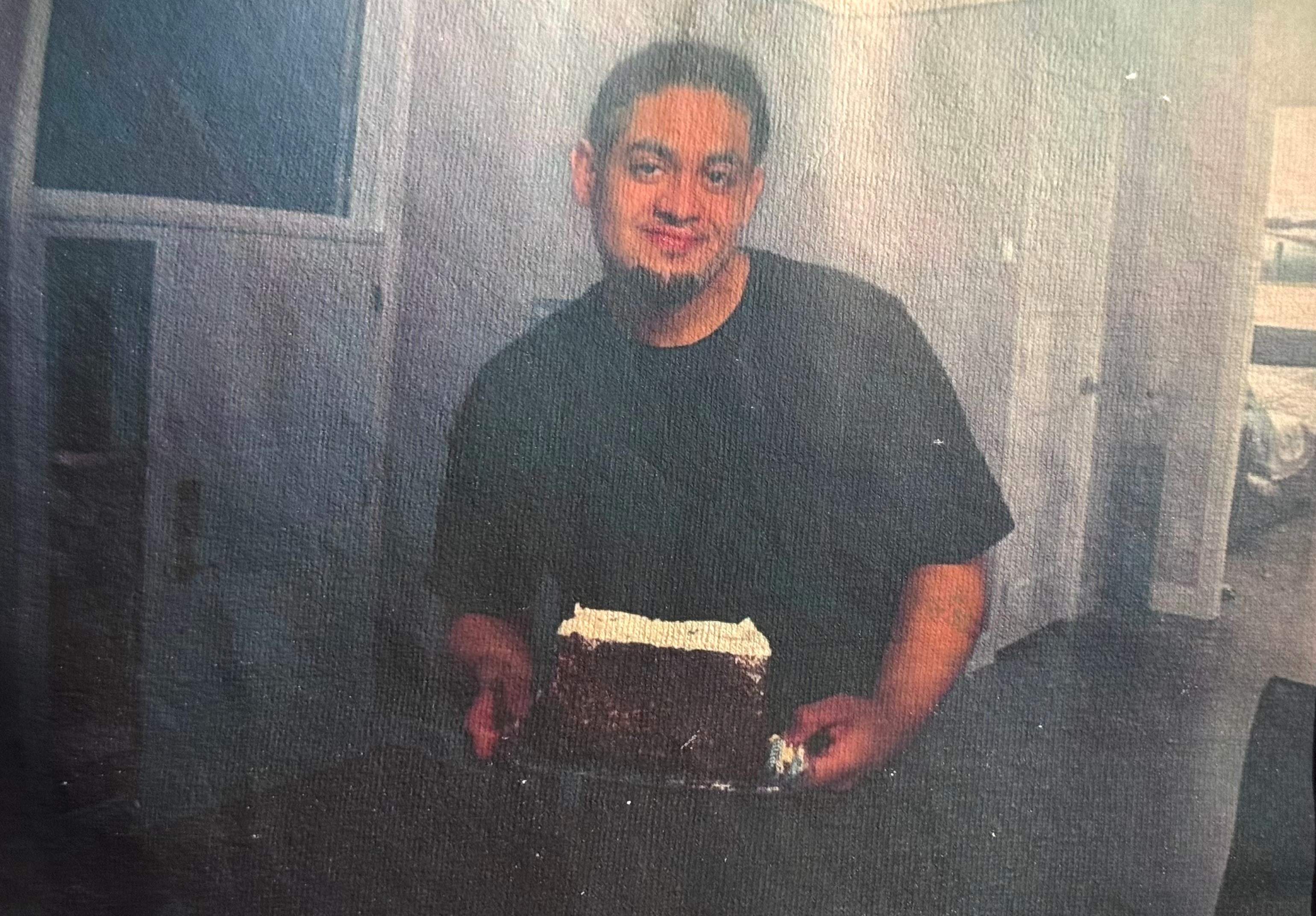
A deadly technique that police forces should have abandoned decades ago is finally banned in Montreal. The Service de police de la Ville de Montréal (SPVM) has officially ordered officers to stop using the dangerous hog-tie restraint method. This policy change comes in the wake of a damning coroner's report detailing the tragic death of 29-year-old Abisay Cruz during a March 2025 intervention.
If you look at the timeline, it took a tragic death, relentless community pressure from groups like the Center for Research-Action on Race Relations (CRARR), and an official coroner's investigation to force a basic safety upgrade. For years, medical experts and civil rights advocates warned law enforcement agencies about the lethal risks of binding a person's limbs behind their back while forcing them onto their stomach. For a more detailed analysis into this area, we recommend: this related article.
What Actually Happened to Abisay Cruz
The fatal intervention unfolded in the Saint-Michel neighbourhood at the apartment of Cruz's mother. Police arrived shortly after 8 a.m. responding to a distress call about a person on a balcony. Cruz was experiencing a severe crisis, compounded by the heavy psychological stress of ongoing deportation proceedings to Honduras.
What should have been a de-escalation call turned violent. Witnesses and family members recorded the encounter on their phones. According to statements gathered by legal representatives and advocates, officers used aggressive force immediately. Witnesses reported that Cruz was kicked in the stomach and tackled while attempting to surrender with his hands raised. For further information on this issue, detailed analysis is available at BBC News.
Once pinned to the ground, officers applied the hog-tie restraint. Cruz was held face down with his limbs secured behind his back for more than two minutes. Video footage captured an officer acknowledging that Cruz was in distress, yet the pressure continued. Coroner Géhane Kamel later concluded that Cruz died from acute cocaine intoxication combined with positional asphyxia. Kamel pointed out that holding someone in that prone position for even a short duration creates an extreme risk of suffocation.
Why the Hog-Tie Is Inherently Lethal
Positional asphyxiation isn't a new concept. When a human body is pressed face down into the pavement with weight on the back and limbs bound tightly together, the diaphragm cannot move freely. Add chemical intoxication or extreme physical agitation into the mix, and the respiratory system fails rapidly.
Medical professionals have spent years explaining why hog-tying patients or suspects is essentially playing Russian roulette with human life. When you restrict chest movement, oxygen levels plummet. Even when officers notice a person slipping into unconsciousness, the damage is often done. Coroner Kamel explicitly noted that officers should have rolled Cruz onto his side immediately, regardless of how combative he might have appeared initially.
The Fallout and Missed Red Flags
The SPVM's directive to ban the technique marks a step forward, but accountability remains a massive question mark for the community. Saint-Michel is a low-income area home to significant immigrant populations from Latin America, Haiti, and North Africa. Trust between residents and local law enforcement has always been fragile. Incidents like this shatter whatever goodwill exists.
During the intervention, a police sergeant was present on the scene. Supervisors are supposed to manage tactical decisions and prevent excessive force, yet that oversight failed completely. Furthermore, conflicting narratives between police reports and bystander video evidence highlight why external watchdogs like the Bureau des enquêtes indépendantes (BEI) face such heavy scrutiny. Police claimed Cruz charged at them and hit his head, while independent witnesses and family members maintained that Cruz posed no physical threat when the worst of the violence occurred.
What Needs to Change Right Now
Banning a specific restraint method on paper means nothing if frontline training doesn't radically shift. Real reform requires concrete actions that go beyond public relations damage control.
- Mandatory Body Cameras: If video footage from smartphones hadn't captured parts of the Cruz intervention, official police narratives might have gone completely unchallenged. Every patrol officer needs active body-worn cameras from the moment they step out of the cruiser.
- Immediate Medical Intervention Protocols: Officers must be trained to recognize positional asphyxiation and acute medical distress instantly. The moment a suspect is handcuffed, they need to be rolled into a recovery position.
- Independent Accountability: Internal reviews cannot be trusted to fix systemic cultural issues inside police departments. Independent civilian oversight must have the teeth to prosecute negligent behaviour transparently.
The ban on the hog-tie is long overdue. But for the family of Abisay Cruz and the residents of Montreal, paper policies won't bring a loved one back. Real justice requires structural transformation, not just damage control after a life is lost.