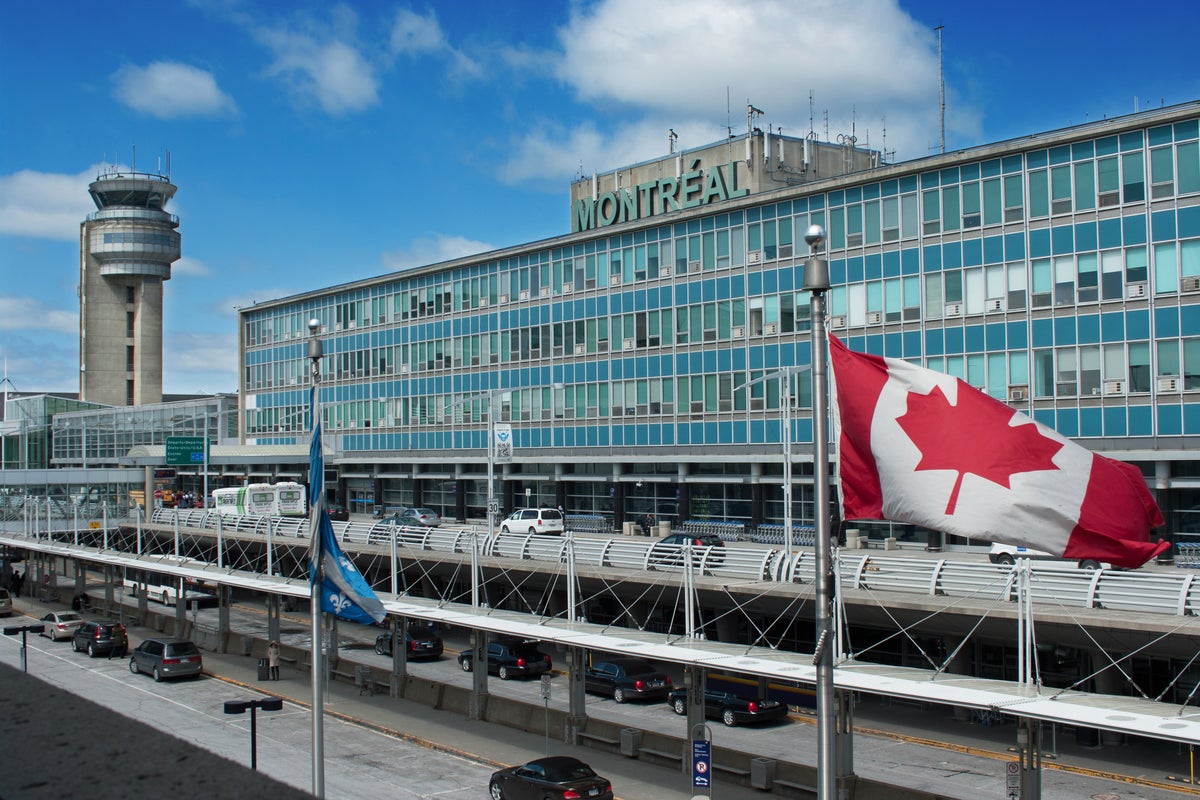
Working on an airport tarmac looks glamorous from the outside, but it is actually a high-stakes industrial zone where a single miscommunication turns fatal. At Montréal-Trudeau International Airport, 39-year-old ramp agent Oscar Robayo lost his life during a routine aircraft pushback operation. Employed by ground handling contractor Samsic, Robayo was struck by the nose gear of a reversing French bee Airbus A350-900 wide-body jet preparing to head to Paris.
The incident happened around 7:30 p.m. on a Monday evening, after the flight had already faced schedule disruptions. What makes this event uniquely harrowing is that passengers sitting inside the cabin watched portions of the unfolding tragedy live on their seatback entertainment screens via the aircraft's undercarriage camera. They felt the heavy thud and the sudden jolt of the impact as the massive 280-metric-ton aircraft rolled over the worker. For an alternative perspective, check out: this related article.
The Grim Reality of Tarmac Operations
Most travelers think planes move entirely under their own power while on the ground, forgetting that large commercial jets cannot back up on their own. They rely on specialized pushback tractors and ground crews communicating via headsets to navigate tight ramp spaces.
When you strip away the corporate statements, ramp work is plagued by intense pressure to maintain on-time departures. Investigators from the Transportation Safety Board of Canada (TSB) along with provincial labor authorities are trying to piece together how the breakdown in communication happened. Unions representing airport personnel point out systemic hazards that workers deal with daily: Similar coverage on this trend has been provided by USA.gov.
- Heavy machinery operating in low visibility or nighttime conditions.
- Tight turnaround schedules that encourage rushed safety checks.
- Equipment issues, including faulty or missing extension cables and cameras.
Accountability and the Push for Answers
In the wake of the tragedy, Aeroports de Montreal expressed deep condolences and confirmed they are cooperating with federal safety investigators. French bee also released statements confirming cooperation with Canadian authorities to determine the exact sequence of events during the pushback.
However, labor advocates argue that calling these incidents mere "tragic accidents" ignores the underlying pressures faced by outsourced ground handling staff. Subcontracted firms often operate on razor-thin margins, which can trickle down to compromised safety protocols and overworked teams.
Moving Past Routine Tragedy
If the aviation industry wants to prevent another loss like Oscar Robayo's, airlines and airport authorities must look past public relations statements and scrutinize the daily realities of ground handling. Strict adherence to communication protocols, mandatory functional backup technology, and zero tolerance for rush orders during pushbacks are non-negotiable.
Travelers stepping onto an aircraft expect safety checks to extend to every single person working beneath the wings. Ensuring that ground crews have the right equipment and sufficient time to do their jobs safely is the only way forward.