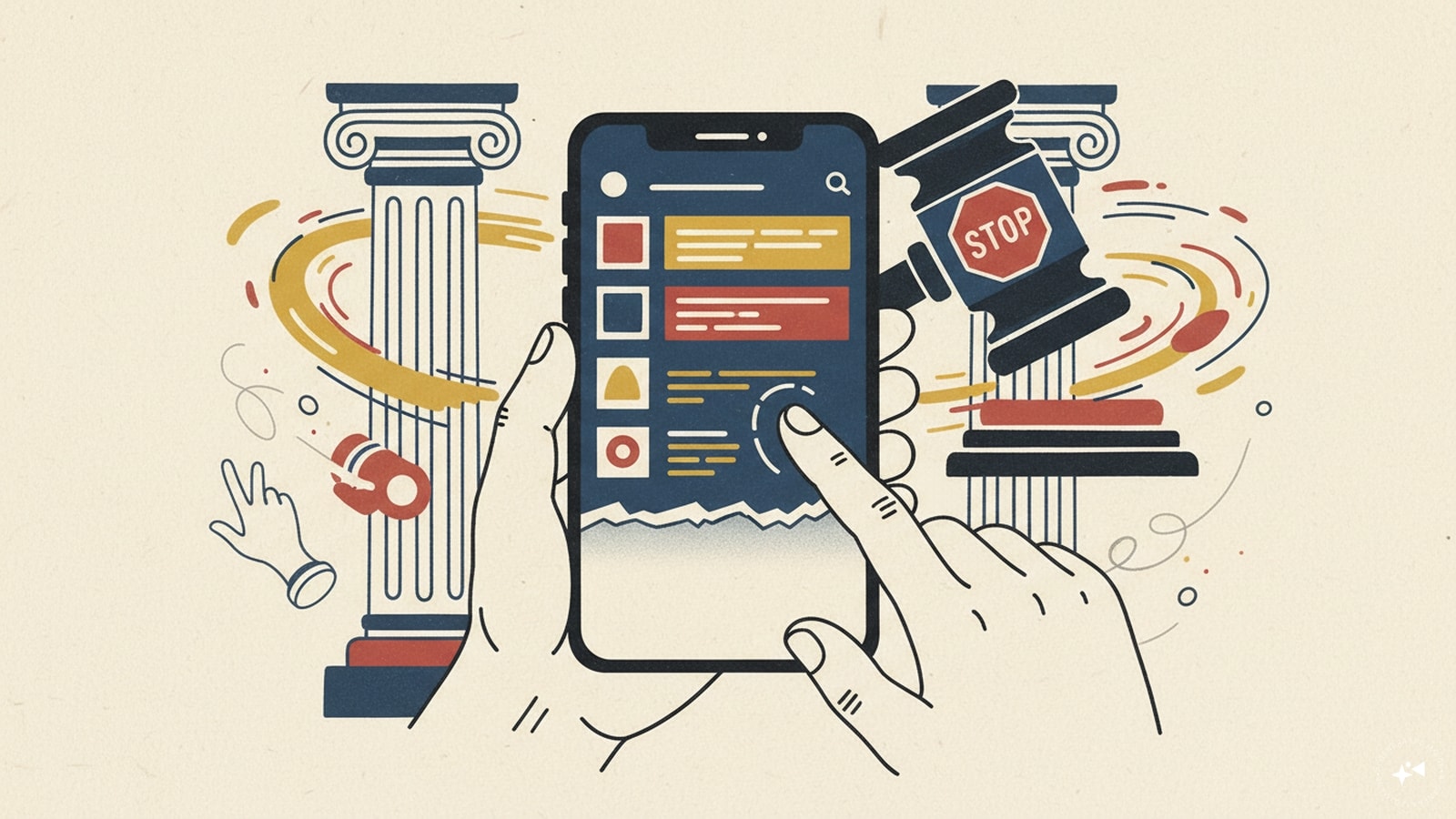
The way you use Instagram is under fire. As of August 2026, a massive federal trial in California has begun, pitting a coalition of 29 U.S. states against Meta, the parent company of Instagram and Facebook. This isn't just another corporate legal spat. It’s an existential threat to the features that keep you scrolling, double-tapping, and losing track of time.
If you’ve ever wondered why your feed feels like it’s engineered to keep you hooked, the state attorneys general think they have the answer—and they’re trying to force Meta to tear it all down.
What is actually on the chopping block
The legal teams aren't just looking for a massive fine, though the potential damages are astronomical. They want a design overhaul. They are targeting the mechanics that define the modern social media experience:
- Infinite scrolling: That bottomless pit of content designed to kill boredom.
- Like counts: The metric that turns social interaction into a digital popularity contest.
- Autoplay videos: The feature that forces your attention onto the next clip before you even decide to watch it.
- Disappearing Stories: Content that plays on your fear of missing out.
- Appearance-altering filters: The tools that distort reality and, according to the plaintiffs, drive body dysmorphia in teens.
The core argument is that Meta knew these features were psychologically manipulative but prioritized user engagement—and profit—over public health. If the plaintiffs win, Instagram could be forced to kill the very things that made it a dominant force in your life.
The evidence against the machine
This trial relies on a mountain of internal documentation. We are talking about over two million files that Meta had to hand over during discovery. The states argue these papers prove that leadership understood the impact of their "addictive" design choices on developing brains.
It’s easy to dismiss these lawsuits as "government overreach," but the data suggests otherwise. Meta’s own internal research reportedly linked features like "social comparison"—driven by the constant feedback loop of likes and comments—to increased rates of loneliness, depression, and poor body image.
In past testimony, Meta has essentially argued that they are merely building tools and that the "addiction" isn't a design flaw, but a complex societal challenge. That argument didn't stop a New Mexico court from recently ordering the company to pay nearly $1 billion and implement specific safety guardrails. This federal trial takes that fight to a national stage, representing nearly two-thirds of the American population.
Why this time feels different
You might have heard "social media is bad for you" for years. So, why does this trial matter now?
In March 2026, a separate bellwether trial found Meta and YouTube liable for creating products that led to harmful and addictive behaviors. That was a $6 million verdict—a drop in the bucket for a trillion-dollar company, but a massive legal precedent. It signaled that courts are no longer buying the "we're just a platform" defense.
The current federal trial in Oakland, presided over by Judge Yvonne Gonzalez Rogers, is looking at the systemic design of the apps themselves. They aren't just arguing that Meta hosted bad content; they are arguing that the architecture of the app is the product, and that the product is inherently dangerous to minors.
Practical steps for the skeptical user
Don’t wait for a federal judge to redesign your digital life. If you find yourself trapped in the infinite scroll, take control back now:
- Purge your follow list: If an account makes you feel inadequate or constantly triggers that "comparison" instinct, unfollow or mute them. You don't owe anyone your attention.
- Turn off notifications: Meta is fighting for your time by pinging your phone. Cut the supply line. Go into your settings and disable everything except direct messages.
- Use time limits: Set a hard cap on your app usage in your phone’s system settings. When the time is up, the app locks. It’s a simple friction point that forces you to be intentional about your usage.
- Audit your feed: If the algorithm is feeding you content that leaves you drained, engage with different topics. Tell the algorithm what you want by actively searching for interests that don't revolve around influencers or trends.
The trial might drag on for weeks. It might result in billions in fines. It might change the way Instagram looks for your kids. But ultimately, the person deciding how much time you spend on the platform is you. You don't need a court order to close the app.
Take your time back. It's the only resource you're not getting more of.