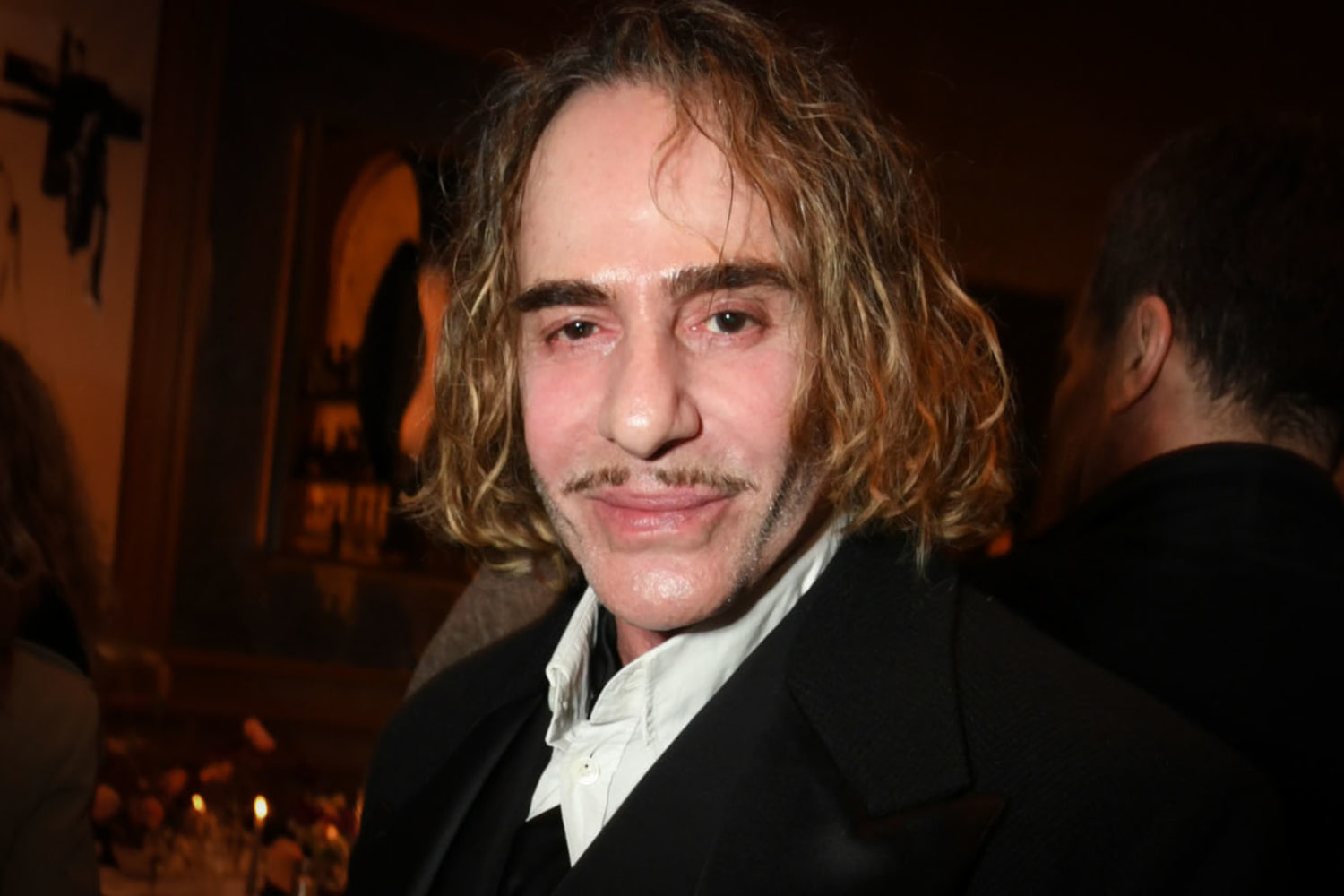
The Metropolitan Museum of Art thought they could pull it off. They were wrong.
When museum leadership announced that the Costume Institute's spring exhibition would honor designer John Galliano, the fallout was swift and punishing. Weeks of mounting pressure, donor revolts, and fierce opposition from community leaders culminated in a sudden reversal. The planned John Galliano show tied to the Met Gala is completely canceled. For an alternative perspective, check out: this related article.
You cannot separate brilliant tailoring from unmasked hatred. Or, at least, the public won't let you anymore.
The Anatomy of a PR Disaster
Let's look at what actually happened. Back in early August, the Met proudly revealed plans for "John Galliano: Horizons," a blockbuster retrospective intended to kick off the star-studded gala. Galliano was poised to become only the third living designer ever given a solo spotlight by the institution. Related insight regarding this has been shared by BBC.
The museum anticipated friction. They even consulted with Jewish community leaders ahead of time. They thought an introductory orientation gallery addressing his past would act as a shield against criticism.
It didn't work. The plan ignored a basic reality of modern cultural accountability.
Galliano was convicted in a French court in 2011 on hate crime charges. Video footage from a Paris bar showed him hurling vile antisemitic and racist remarks at patrons, captured slurring phrases like "I love Hitler" and telling Jewish diners their ancestors should have been gassed. Those actions cost him his crown jewel position as creative director of Christian Dior.
Honor a man like that with the highest institutional prestige in New York City, and people will notice. Major donors threatened to pull millions in artwork and financial gifts. High-profile officials like New York City Council Speaker Julie Menin—the daughter of a Holocaust survivor—spoke out aggressively, calling the exhibit a gut punch to the Jewish community during a period of rising global antisemitism.
To make matters worse, the calendar worked against them. The traditional date for the gala lands on the first Monday in May, which in 2027 falls squarely on Holocaust Remembrance Day. The oversight borders on staggering.
The Limits of Fashion Rehabilitation
For a decade, the high fashion establishment tried to write a redemption arc for Galliano. Anna Wintour, Vogue's global editorial director and a trustee of the Met, stood by him. She helped pave his way back into the industry, leading to a long tenure at Maison Margiela and glowing profiles in glossy magazines and documentaries.
The industry operates on a simple belief. If a creative genius serves time in professional purgatory, makes a few apologies, and keeps producing breathtaking clothes, the slate gets wiped clean.
The public disagrees.
When Galliano and the museum finally pulled the plug, the statements offered a study in contrasting damage control. Galliano posted on social media that he remains fully accountable for the pain he caused, noting that "meaningful atonement is not achieved through an exhibition, institutional recognition or a single public gesture". Wintour praised his decision to step aside as "very courageous," standing by her longtime friend.
Yet the cancellation exposes a widening chasm between insular luxury circles and public standards of corporate and cultural ethics. Curators argue that museums exist to examine difficult histories with rigor and candor. There is a difference between a historical archive examining dark chapters and a high-society gala conferring celebration and unearned privilege onto an active perpetrator of hate speech.
What Happens Next for the Met Gala
The Met now faces an awkward scramble to pivot its schedule. Organizers stated that details regarding a new spring exhibition theme will arrive later, but the embarrassment lingers.
Cultural institutions can no longer isolate themselves behind velvet ropes. When corporate sponsorship, celebrity worship, and ticket sales dictate museum programming, oversight fails. The backlash proved that institutional prestige cannot bypass historical harm.
Stop pretending art exists in a vacuum. Actions carry weight, and brilliance does not grant immunity from accountability.