A private restaurant turning away four uniformed service members is always going to trigger an instant culture war. We’ve seen the playbook a million times: the outrage machine fires up on X, politicians tweet their fiery rebukes, and the local business shuts off its phones to escape the deluge of death threats. That’s exactly what went down at Tamboli’s Pasta & Pizza in Midtown Memphis.
Owner Miles Tamboli stood his ground after denying service to four members of the Tennessee National Guard. The internet exploded with accusations that he hates the military. But if you stop yelling long enough to look at why this actually happened, you'll realize it has nothing to do with hating soldiers and everything to do with a controversial, heavily armed occupation of American city streets.
The Reality of the Memphis Safe Task Force
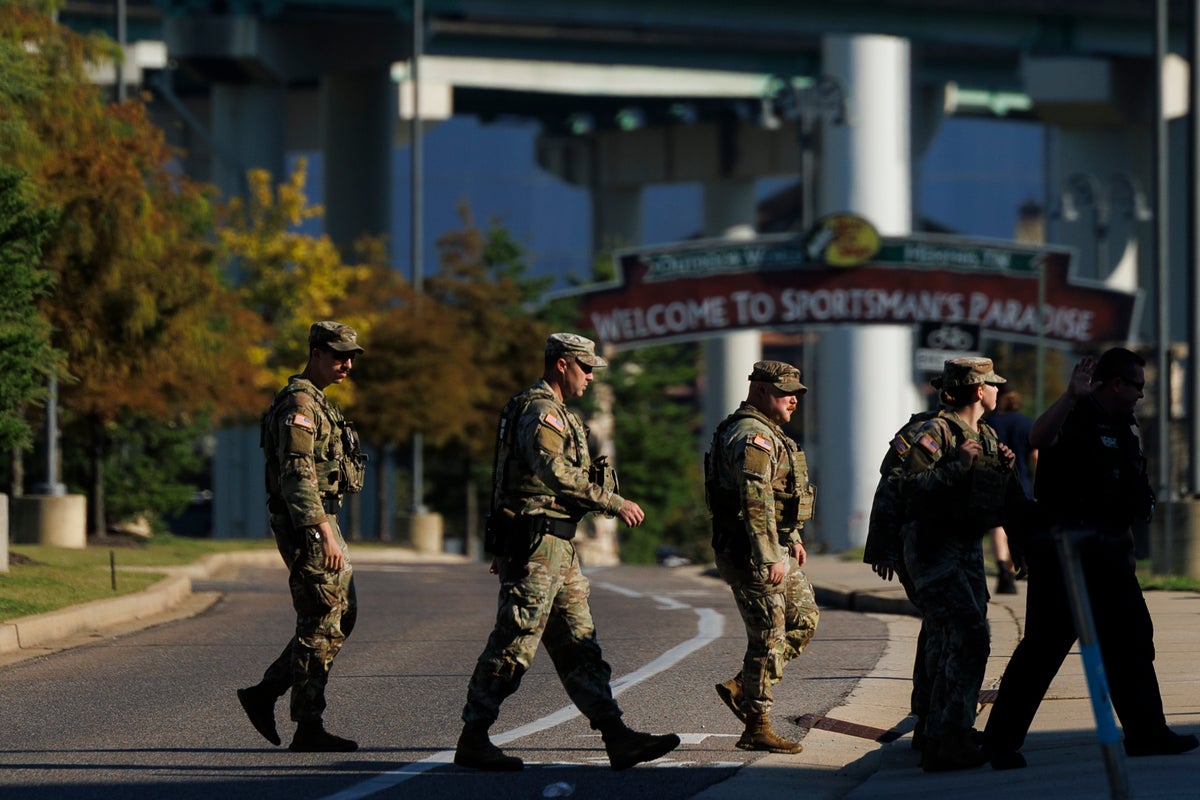
The guardsmen who walked into Tamboli’s weren't just random soldiers on leave; they were deployed as part of the Memphis Safe Task Force. This initiative, launched under a federal mandate, merged local police, state troopers, and National Guard soldiers into a unified domestic security force. The goal was to combat violent crime, but the execution feels like a military occupation to many locals.
Tamboli pointed out a detail most national headlines conveniently ignored: Memphis crime was already plummeting before these troops arrived. Memphis Police Department data and an independent Tennessee Bureau of Investigation audit confirmed that violent and property crime had hit a 25-year low in the first eight months of 2025.
When the military rolls into a city whose crime rate is already dropping, it raises a glaring question: What are they actually doing there?
According to community organizers and business owners, the task force hasn't spent its time stopping high-level cartel bosses. They're doing routine traffic stops. They're conducting aggressive foot chases.
The Cost of Military Policing
Soldiers are trained for combat zones, not neighborhood de-escalation. When you mix combat training with domestic traffic enforcement, the results are frequently tragic.
- Fatalities are climbing: The task force has been linked to five shootings in Memphis alone, four of them fatal.
- The case of Tyrin Johnson: Just weeks before the restaurant incident, two National Guard troops chased and fatally shot 20-year-old Tyrin Johnson in downtown Memphis. There was no body camera footage.
- Zero accountability: Because these operations straddle the line between federal, state, and local authority, getting straight answers for grieving families has been nearly impossible.
"Four young men were declined service, shrugged, and went to eat somewhere else," Tamboli stated to the press. "They were fine. Meanwhile, a 20-year-old Memphian is dead. If people want to be outraged, that is where the outrage belongs."
The Legal Side of Turning Customers Away
The instant a business owner takes a political stand, the internet legal scholars emerge to scream about discrimination. Let’s clarify how the law actually works for private businesses.
Under the Civil Rights Act of 1964, you cannot deny service based on race, religion, color, national origin, or disability. However, occupation is not a protected class under federal law. A private business has the legal right to refuse service to politicians, tech executives, police officers, or soldiers, provided the refusal is based on their role or conduct, not their demographic background.
Tamboli isn't even the first local entrepreneur to take this step. Earlier, a Black-owned business called Da Sammich Spot drew massive headlines for putting up a "No Law Enforcement" sign after task force agents swarmed their parking lot with heavy weaponry during closed hours. Dozens of local businesses have quietly or publicly aligned with the "Free the 901" movement, pledging to refuse civilian space to a militarized force.
Navigating Political Tensions as a Business Owner
If you run a local business, watching the absolute destruction of a restaurant's Yelp page and the sudden influx of death threats might make you want to stay completely silent. Taking a stand is bad for short-term revenue. Tamboli admitted the backlash deeply hurt his business and forced him to cut his phone lines to protect his staff.
But real community authority isn't about maximizing quarterly profits. It's about protecting the ecosystem you live in.
If you're considering taking a public stance on a highly charged issue in your own community, you need to understand the structural realities first.
Audit Your Legal Standing
Make sure your actions align strictly with local and federal public accommodation laws. Never let a protest mask actual discrimination against a protected class.
Prepare for Institutional Retaliation
When Da Sammich Spot stood up against the task force, they were immediately hit with surprise health department inspections regarding their certificate of occupancy. Expect the system to push back when you push it.
Build Direct Community Ties
Tamboli didn't just wake up and decide to be contrarian. He has spent over a decade running community agriculture programs and youth farms in Memphis. His support didn't come from internet trolls; it came from local residents and even Shelby County District Attorney Steve Mulroy, who publicly backed the restaurant's right to choose its clientele.
The outrage machine will inevitably move on to the next viral clip next week. But the core debate over whether military troops belong on domestic city streets isn't going anywhere anytime soon.