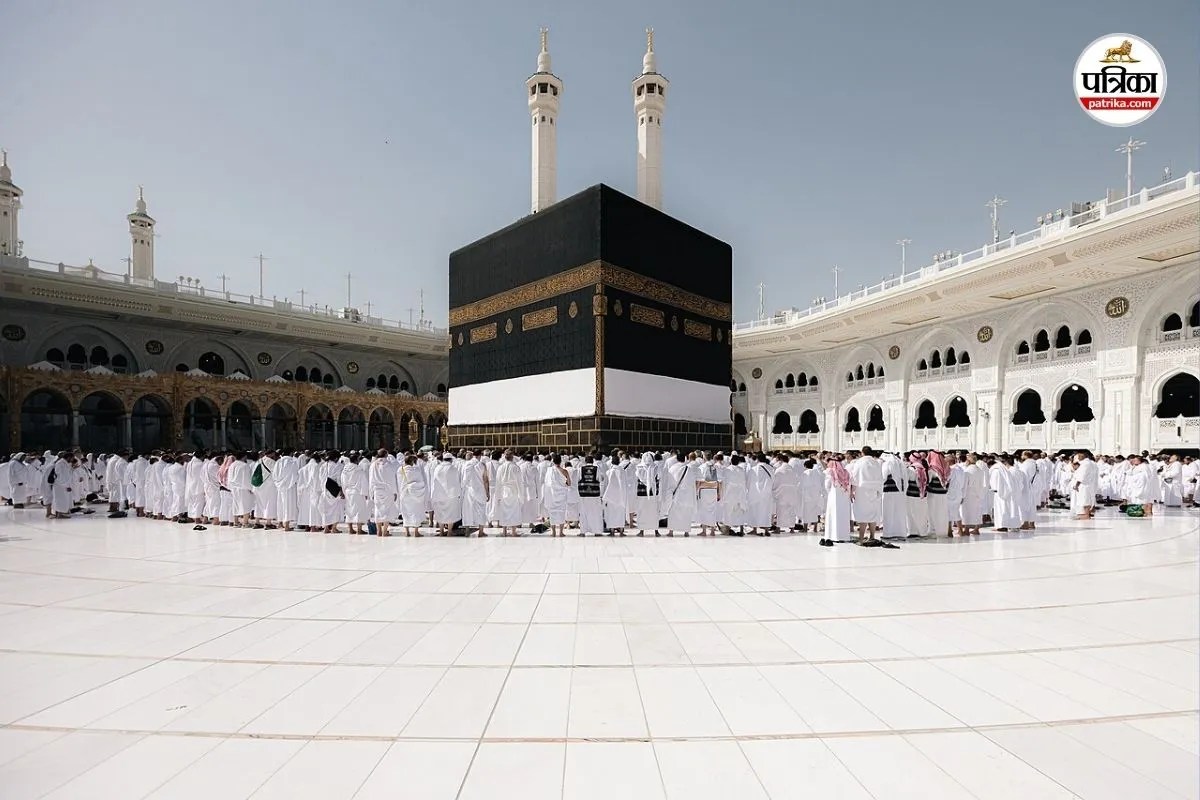
Geopolitical tensions across the Middle East rarely stay contained to distant borders, and recent developments in Saudi Arabia prove just how fast regional conflict can knock on the most sacred doors. When the National Early Warning Platform for Emergencies triggered a high-level alert for Mecca, it wasn't just a routine drill. It was a stark reminder of escalating aerial threats that have started creeping dangerously close to vital population centers and religious landmarks.
If you're wondering why this specific alert grabbed international headlines, you have to look past the surface panic and examine the actual mechanics of modern regional warfare.
The Reality Behind the Mecca Emergency Alert
When Houthi forces in Yemen launch ballistic missiles and drones toward strategic targets, they aren't just sending a political message. Recent escalation patterns show targeted projectiles hitting locations like Khamis Mushait, Abha, and Taif, injuring civilians and damaging residential infrastructure. When fragments or trajectories threaten holy sites like Mecca, Saudi authorities don't wait for impact. They activate the early warning infrastructure immediately.
The official guidelines issued during the alert were straightforward yet severe: stay indoors, move away from windows, avoid balconies entirely, and shelter in strong buildings if caught outside. These aren't suggestions meant to be taken lightly. In high-velocity intercept scenarios, falling debris from intercepted missiles poses just as much risk as the payload itself.
Why Houthi Tactics Are Shifting
The military calculus in the Red Sea and surrounding corridors has evolved dramatically. With Houthi factions solidifying their footprint near critical choke points like the Bab-el-Mandeb strait, their operational reach has grown. Using low-flying drones alongside conventional ballistic missile systems makes early detection exceptionally difficult for standard defense grids.
This technological evolution forces nations like Saudi Arabia to rely heavily on rapid civilian response systems. When an alert goes live, residents and pilgrims have minutes—sometimes seconds—to react. Panic is the real hazard here, which explains why emergency broadcasts repeatedly emphasize staying calm over spreading unverified panic on social media.
Navigating Information Overload and Rumors
Whenever an emergency alert flashes across phones in Riyadh, Medina, or Mecca, misinformation floods digital platforms within seconds. Old footage gets recycled, casualty numbers get inflated, and panic spreads faster than official updates.
Saudi security officials have tried to combat this by designating clear reporting channels—such as calling 911 for urgent threats in primary provinces or 998 elsewhere—while urging citizens to ignore unverified claims. If you live or travel through the region, filtering out social media noise and sticking strictly to state-backed emergency directives isn't just smart—it's essential for survival.
The security landscape across the Arabian Peninsula remains volatile, and alerts like the one in Mecca show that stability is fragile. Keep emergency contacts saved, know your nearest reinforced shelter zones, and pay close attention when official channels speak up.