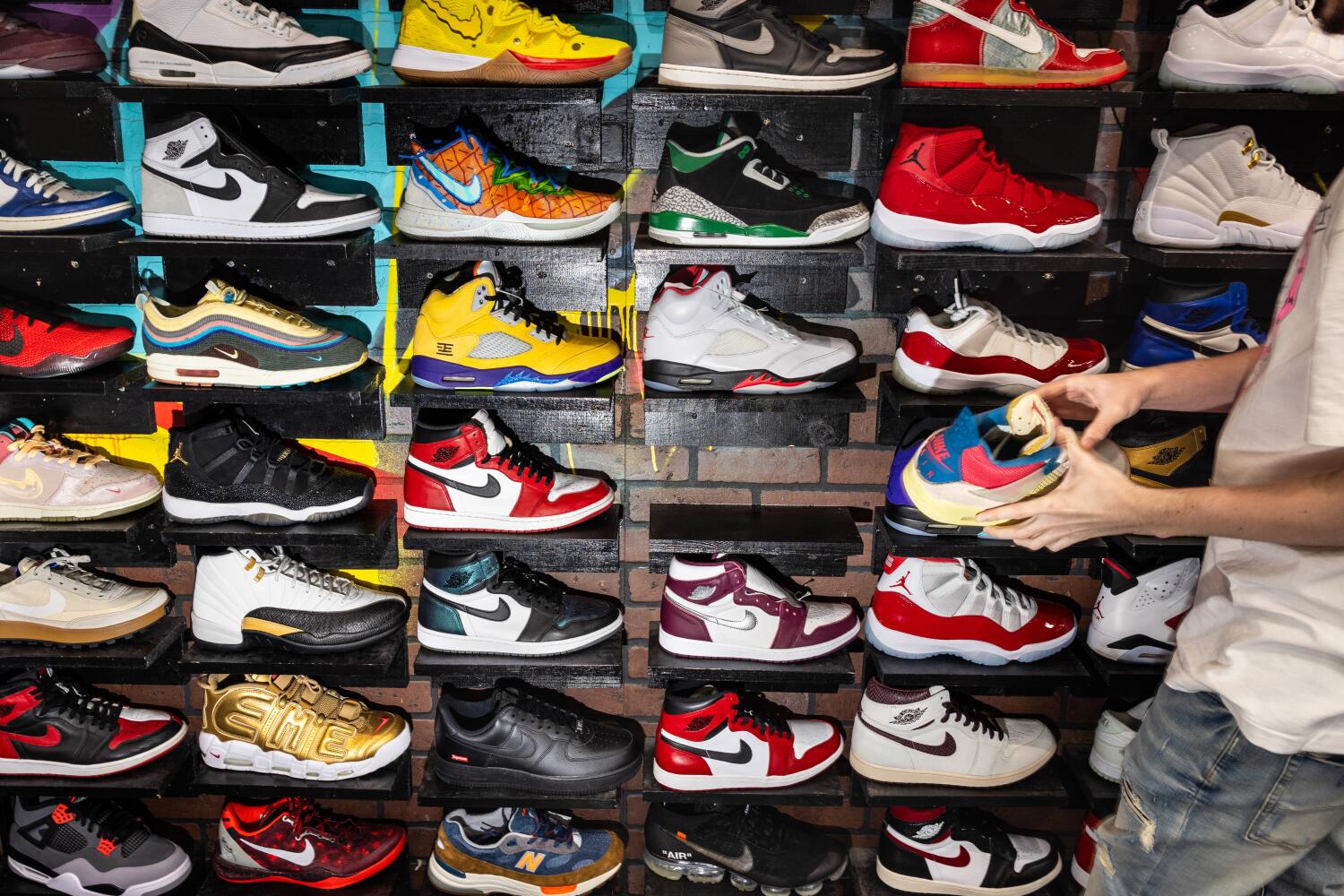
Sneaker culture thrives on artificial scarcity, hype, and high-stakes commerce. Sometimes, people take those stakes way too far. A federal grand jury indictment unsealed in Tennessee blew the lid off an organized cross-country cargo theft ring. This operation funneled over $2 million worth of stolen Nike inventory straight from a primary distribution hub in Memphis into high-end retail shops and online resale channels in Los Angeles.
Twelve individuals, including prominent figures from the Los Angeles streetwear scene and multiple former warehouse employees, face federal charges. This wasn't a smash-and-grab operation by random street criminals. It was a sophisticated logistics conspiracy exploiting the fragile blind spots of corporate supply chains.
How the Multi-Million Dollar Nike Heist Actually Worked
If you look at how limited-edition sneakers move from a factory floor to a collector's closet, you realize it relies heavily on trust. Between July 2021 and July 2024, that trust was weaponized.
The operation centered around Nike's massive distribution facility in southeast Memphis. According to federal prosecutors and joint investigations by the Los Angeles Police Department's Cargo Theft Task Force and the FBI, the mechanics of the scheme were systematic:
- Inside Access: Six former warehouse employees used their positions to bypass internal security measures, identifying coveted boxes and applying unauthorized routing labels.
- Falsified Logistics: Conspirators utilized shipping equipment and accounts tied to Coolkicks—a popular storefront on Melrose Avenue in Los Angeles—to generate fraudulent UPS shipping labels.
- The Reroute: Instead of reaching authorized retail destinations, cartons filled with unreleased or high-demand kicks were intercepted along transit corridors and shipped directly to co-conspirators in California.
Investigators noted that the scheme generated a staggering volume of illicit inventory. Figures like Bereket Abraham, co-founder of Coolkicks, and online reseller Jorge Cuellar allegedly paid out more than $900,000 to intermediaries like Roy Lee Harvey Jr. for the stolen merchandise. The shoes were then pushed directly onto the public through physical retail racks and digital storefronts.
The Domino Effect and How the Operation Collapsed
No criminal enterprise lasts forever. This one began to unravel due to an unexpected variable: severe winter weather.
In early 2024, a major snowstorm paralyzed operations and shipping traffic in Memphis. During the sudden shutdown, eagle-eyed warehouse supervisors noticed anomalies in the inventory tracking system. Packages bearing falsified UPS labels were attached to cargo manifests that should have utilized entirely different logistics channels.
Because local authorities had previously coordinated with corporate loss prevention on cargo theft cases, supervisors immediately flagged the discrepancies. Law enforcement deployed tracking devices inside suspect shipments. Those trackers traced a direct digital and physical line from the Memphis floor straight to Los Angeles retail operations.
The initial state-level arrest of Roy Lee Harvey Jr. in January 2024 opened the floodgates. Search warrants for digital communication records, cloud storage data, and financial transactions exposed a web of text messages and phone calls linking warehouse workers to Southern California buyers. By mid-2026, federal indictments formally charged the entire network with conspiracy, aiding and abetting, and the interstate transport of stolen property. Convictions on these counts carry maximum sentences of up to 15 years in federal prison.
Why the Sneaker Resale Market Has a Transparency Problem
This case sent shockwaves through the broader streetwear community for a simple reason. It shattered the illusion of how high-end resale boutiques source their inventory.
For years, everyday enthusiasts wondered how independent shops and online personalities consistently secured massive size runs of unreleased sneakers before official brand drops. Many stores marketed these items under the vague umbrella of "friends and family connections" or elite broker networks.
This indictment forces a reckoning. When grey-market brokers offer exclusive pairs well below market value—or supply endless size runs of unreleased inventory—retailers face a fine line between profitable ignorance and complicity. Investigators emphasize that buying inventory without verifying its legitimate chain of custody leaves businesses vulnerable to federal racketeering and cargo theft statutes.
Protecting Supply Chains Moving Forward
Major sportswear brands are rewriting their playbook in response. Multi-billion-dollar logistics networks cannot rely on manual label verification and lax warehouse exit protocols.
Companies are tightening internal audits, deploying advanced RFID tracking at the individual box level, and restricting employee mobility within sensitive fulfillment zones. If you run a retail business or deal in secondary market assets, perform strict vendor verification. Demand paper trails, audit your suppliers, and walk away when an acquisition offer looks too exclusive to be legal.
12 indicted in $2 million shoe thefts
This video provides additional context regarding the federal indictments and the sweeping multi-state investigation into the massive sneaker theft ring.
/media/movies/covers/2026/06/cats_sv0II12.png)