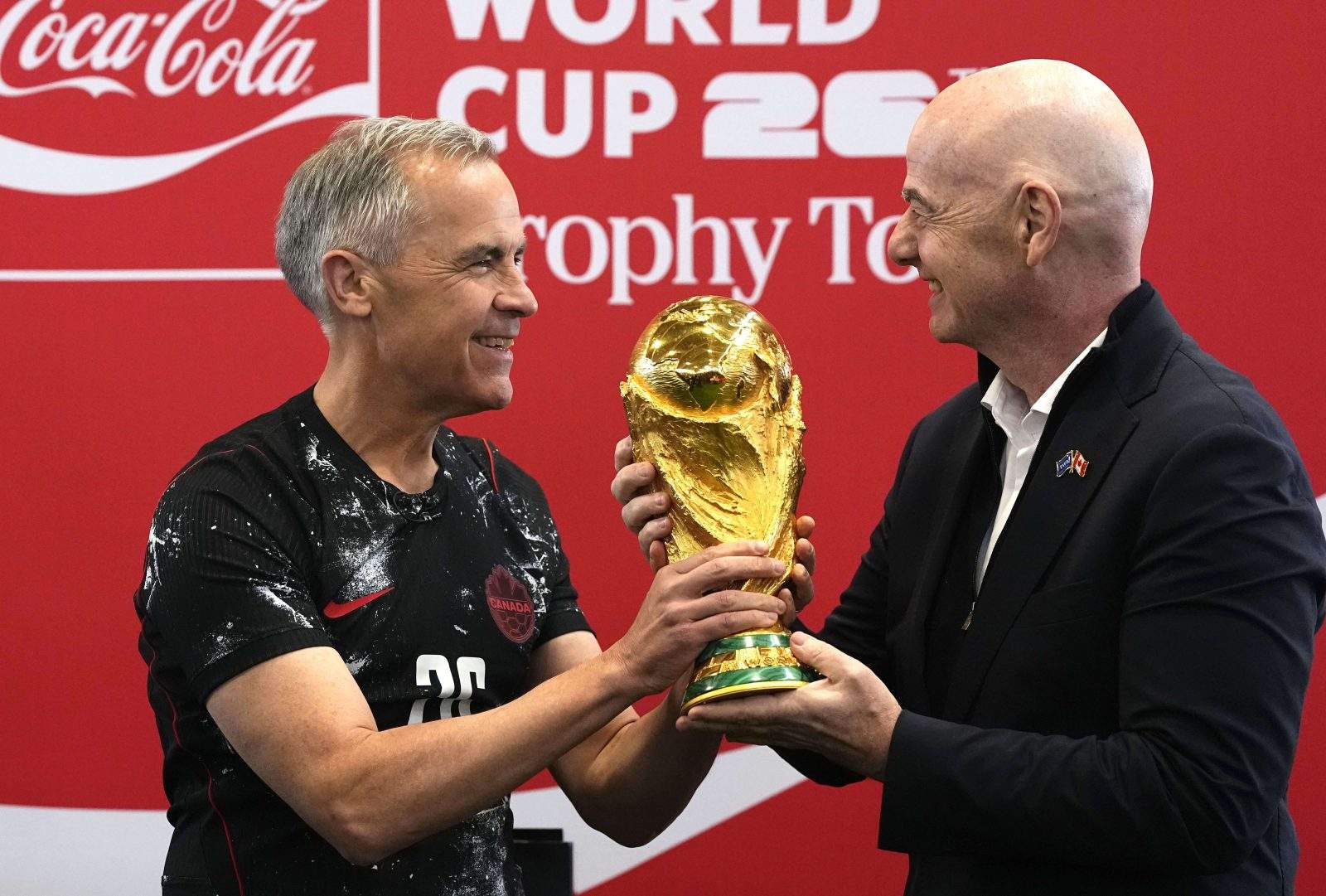
When a sitting prime minister publicly torches the head of world football's governing body, people notice. Canadian Prime Minister Mark Carney didn't mince words when he stated he has lost all confidence in FIFA President Gianni Infantino.
If you've been watching sports administration lately, you know things rarely reach this boiling point without a massive structural failure. Carney joined a growing chorus of international leaders calling out Infantino's leadership. The trigger? A disastrously handled scheme to privatize commercial rights for the World Cup. For an alternative perspective, check out: this related article.
The Disastrous Private Investment Pitch
Let's look at what actually happened. Infantino tried pushing a proposal called the FIFA Forward Enterprise. The core idea involved creating a twenty billion dollar commercial subsidiary to run premier soccer events.
Worse yet, the plan reportedly opened doors to private investors, including high-profile political and real estate dynasties like the Kushner family. Transparency vanished overnight. Infantino neglected to consult top FIFA executives, board members, or senior management before floating the idea. Further coverage regarding this has been provided by CBS Sports.
Carney called this omission fatal. Coming from a former central banker who understands high-stakes institutional governance, that critique carries weight. You simply do not run a multi-billion dollar global entity like a backyard storefront.
Global Backlash and Regional Rejection
The backlash was swift and brutal. UEFA member associations threatened an outright boycott of future World Cups if the private equity plan moved forward. CONCACAF and the Asian Football Confederation also slammed the brakes on the proposal.
Even soccer legends like Luís Figo stepped into the fray, publicly urging Infantino to resign. When political heads of state like Carney and British Prime Minister Andy Burnham line up to say the president is no longer fit to lead, the pressure becomes unsustainable.
Infantino scrambled to contain the crisis by holding emergency meetings with directors in Morocco, but the damage is done. Trust takes decades to build and minutes to shatter.
What Happens Next for Football Governance
You might wonder why a prime Minister cares so deeply about internal sports politics. Canada co-hosted the massive 48-team World Cup, investing immense national resources, public infrastructure, and political capital into the tournament's success.
When the head of FIFA treats global assets like private equity leverage without stakeholder buy-in, host nations bear the reputational fallout. Expect intense demands for institutional reform as regional confederations weigh their options ahead of upcoming elections.
Keep an eye on whether internal critics push for structural changes that permanently strip the presidency of unilateral financial control. Accountability is finally knocking on FIFA's door.