History often turns on seconds. Not decades, not centuries, but tiny, mundane fractions of time that separate ordinary routines from total catastrophe. Ed Fine knows this truth better than almost anyone alive.
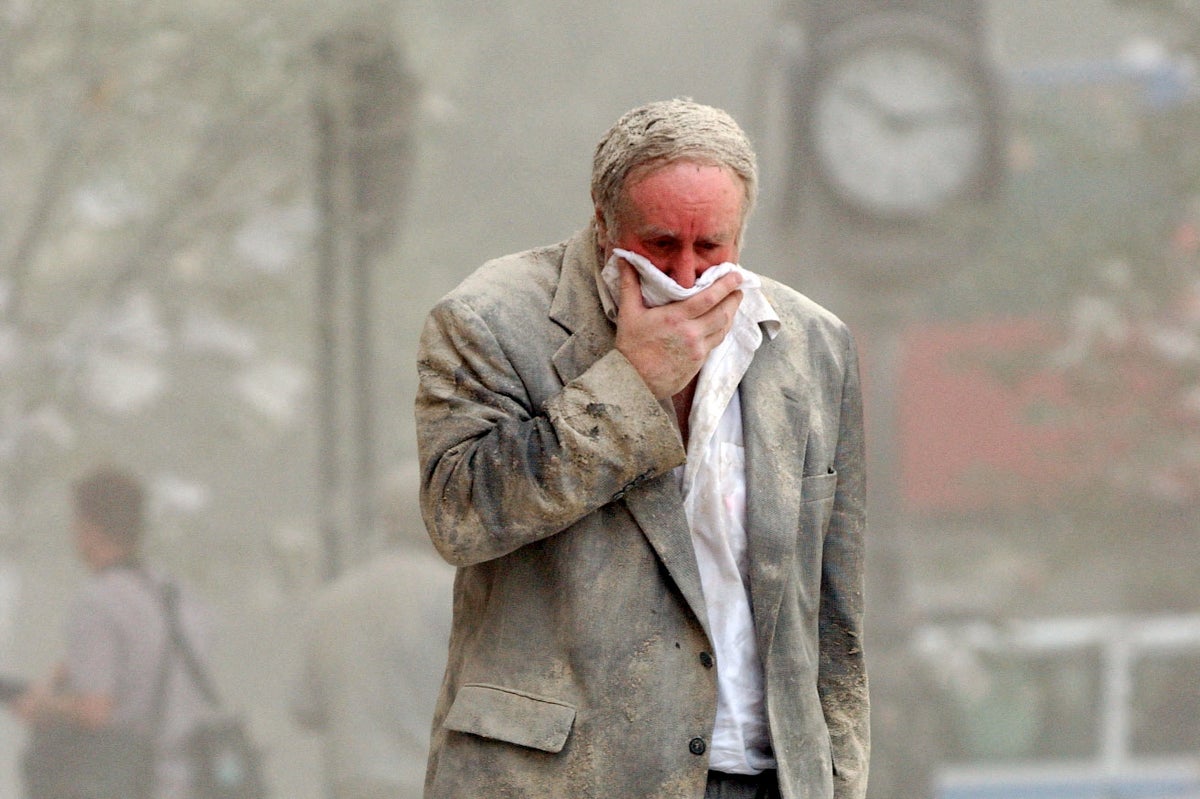
If you look back at the visual archive of September 11, 2001, certain images burn themselves into your memory permanently. Amid the choking white dust, the falling debris, and the sheer terror on the streets of lower Manhattan, one particular photograph captured global attention. It featured a man covered head-to-toe in grey pulverized concrete, walking with steady composure while clutching a black leather briefcase. That man was Ed Fine. Decades later, his story offers a profound look at how a missed elevator changed the course of his existence. You might also find this connected article interesting: Why The Dryland Congress 2026 Matters More Than You Think.
The Bizarre Twist Of Fate In The North Tower
Morning routines dictate our lives. On September 10, 2001, Ed Fine had planned for his son to attend an investment banking business appointment inside the World Trade Center. Life changed because of a sudden illness. His son called late that evening to cancel, asking Ed to step in and take the meeting instead.
Ed woke up early the next morning. It was a stunningly clear, gorgeous autumn day in New York City. He arrived at the World Trade Center complex, checked in at 7:52 AM, and headed upward. His destination was the 87th floor of the North Tower. As reported in latest coverage by Reuters, the results are widespread.
When you navigate a massive skyscraper, transferring elevators is a standard drill. Ed reached the 79th floor to catch a connecting lift. He jogged toward the doors, hoping to slip inside. He missed it by mere seconds. Annoyed at the minor delay, he waited for the next car.
Seconds later, American Airlines Flight 11 struck the North Tower between the 93rd and 99th floors.
If Ed had caught that initial elevator, he would have been traveling through or arriving at the impact zone just as the plane tore through the building. Missing that lift saved his life.
Walking Out Through The Rubble
The world above the 79th floor dissolved into chaos instantly. Fire, smoke, and structural collapse trapped thousands. On the 79th floor, the impact hurled people off their feet and shattered the calm of the morning. Ed realized immediately that survival meant moving downward, fast.
He didn't panic. He grabbed his briefcase and joined the agonizing descent down the pitch-black, smoke-filled stairwells. Thousands of workers crammed into the emergency staircases, inching their way down step by step as firefighters and emergency personnel rushed upward into the burning tower.
When Ed finally emerged from the building into the plaza, the scene outside resembled a war zone. The air was thick with toxic ash and grey soot. A photographer captured him right at that moment—covered in dust, holding his black briefcase tightly, walking away from the crumbling giant. That image ended up splashed across the cover of Fortune magazine, becoming an unintended symbol of endurance and survival.
What Happened To The Briefcase And The Suit
Most people would throw away every item associated with the worst day of their lives. Not Ed. Now in his eighties, he still owns that exact same black briefcase and the business suit he wore on September 11.
He had them cleaned, but he refused to discard them. To Ed, holding onto those artifacts isn't about dwelling on trauma. It's a statement. He views the surviving objects as a quiet message that the people who carried out the attacks ultimately failed to break the human spirit. They remind him of his incredible luck on a day when nearly three thousand others never made it home.
His wife, Ingrid, spent agonizing hours not knowing whether he was dead or alive while the towers burned and eventually collapsed. The relief of his eventual return home is something their family never takes for granted.
The Lessons Of September 11 Decades Later
We live in a culture obsessed with efficiency, speed, and strict schedules. Missing a train, getting stuck at a red light, or missing an elevator feels like an infuriating waste of time. We curse the delay. We stress over being thirty seconds late.
Ed Fine's story flips that perspective upside down. Sometimes, the inconvenience that ruins your schedule is the exact thing shielding you from disaster. You cannot control the unpredictable turns of the world. You can only respond when the ground shifts beneath your feet.
Take a hard look at your own daily frustrations. The next time a minor hitch ruins your timeline, remember the man on the 79th floor of the North Tower who was angry about missing an elevator—only to realize that single missed connection meant he got to go home to his family that night. Respect the small twists of fate, appreciate your routine, and never take a single ordinary Tuesday for granted.