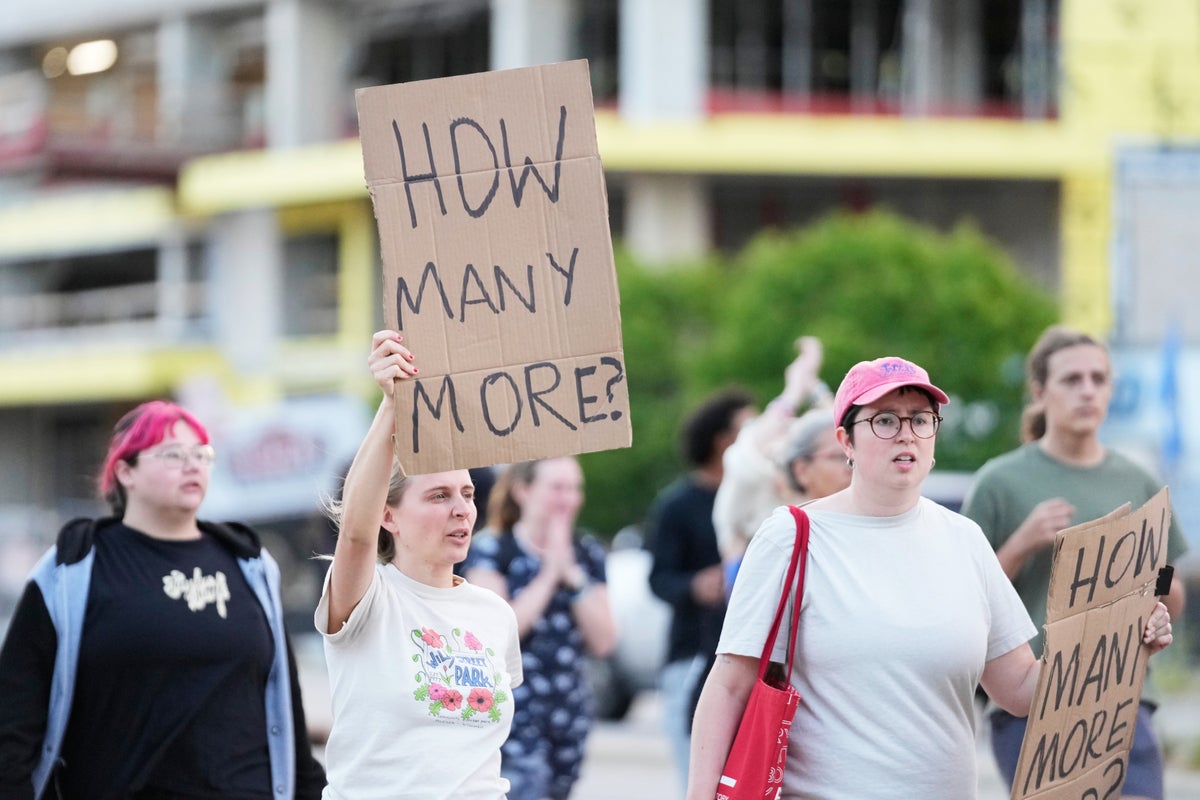
A fatal encounter in broad daylight on a city street has plunged Madison into grief and intense public dispute once again. A police shooting in the city's Marquette neighborhood left a man in his 30s dead, an officer injured, and an entire community demanding answers. Governor Tony Evers quickly weighed in, demanding full transparency and accountability as state investigators step in to untangle what happened.
The incident highlights a familiar, painful tension. When an official police response turns lethal within seconds, can standard municipal investigations deliver real justice?
Here is what actually happened on the ground, why local residents are protesting, and what this case reveals about official police accountability in Wisconsin.
What Happened During the Fatal Incident in Madison
The confrontation unfolded less than two miles from the state Capitol building. According to Madison Police Chief John Patterson, officers responded to reports of an individual attempting to enter parked cars in the neighborhood.
When officers approached, the suspect fled on a bicycle. Officers intercepted him shortly after in the street, where he either fell or was taken off his bike.
What started as a property crime call escalated almost instantly.
Chief Patterson stated that during a physical struggle, an officer deployed a taser, but it failed to subdue the man. The suspect then produced a knife, injuring one of the officers. In response, the injured veteran officer drew his firearm and fired three shots. The suspect was rushed to a local hospital, where he died from his injuries.
Four officers were involved at the scene. One officer suffered a knife wound, while a second officer sustained unspecified injuries. Police have not released the identity of the man who was killed, nor the identities of the officers involved. All four officers are currently on administrative leave.
Why Social Media Videos Are Driving Community Anger
By Wednesday evening, cellphone video captured by bystanders began circulating across social media platforms. The footage, shot from nearby stopped vehicles, shows a chaotic scene in the middle of an intersection.
In the video, officers can be seen attempting to force the man to the pavement. Three distinct gunshots ring out, after which the man collapses onto the street. Officers immediately handcuff him behind his back while he lies motionless.
The public release of this footage ignited instant outrage. Community members argue the video shows an excessive use of force against a man who appeared to be pinned down.
Police Chief Patterson urged the public not to rush to conclusions based solely on cellphone clips. He pointed out that bystander videos capture only one angle and do not reflect the physical perspective or immediate threat felt by the responding officers. Crucially, none of the four officers involved were wearing body cameras at the time of the shooting, leaving bystander footage as the primary visual evidence available to the public.
Governor Tony Evers and Local Leaders Respond
The political response was swift. Governor Tony Evers released a public statement emphasizing the need for a thorough, open investigation.
"We will continue to keep the loved ones and family of the individual who was killed in our hearts and prayers," Evers stated online, adding firmly that "his life mattered."
Madison Mayor Satya Rhodes-Conway also addressed the growing public anxiety, stating online that there are serious questions that must be answered promptly.
The investigation has officially been handed over to the Wisconsin Department of Criminal Investigation (DCI), an independent state agency required by Wisconsin law to investigate police shootings.
Local advocacy groups argue that official statements aren't enough. Urban Triage, a Madison-based Black community organization, pointed out that the community watched a man die on video before officials even released his name. Brandi Grayson, head of Urban Triage, publicly condemned the incident, framing it as part of a recurring pattern of systemic violence against residents.
Historical Trauma in Madison's Marquette Neighborhood
To understand why this shooting triggered immediate street protests and candlelight vigils, you have to understand the history of this specific neighborhood.
The Marquette neighborhood is a vibrant area filled with local shops, bars, and residential homes. It is also an area carrying heavy historical trauma regarding police encounters.
- The 2012 Paul Heenan Shooting: Just blocks away from Wednesday's incident, Paul Heenan, an intoxicated white musician who mistakenly entered a neighbor's house, was fatally shot by a Madison police officer. The officer was ultimately exonerated.
- The 2015 Tony Robinson Shooting: On the very same street as Wednesday's shooting, a white police officer shot and killed Tony Robinson, an unarmed 19-year-old biracial man. The shooting sparked massive protests across Madison. The Dane County District Attorney later declined to file charges, finding the officer's use of force justified.
Because of this history, residents aren't evaluating this incident in isolation. They are reacting to a decade of built-up frustration over how police interactions are handled in their own backyards.
Pastor Ben Weger of Stoughton United Methodist Church joined residents at an overnight memorial site near the shooting location, stating that maintaining a physical presence at the scene was vital for holding space and demanding accountability.
Understanding the Legal Framework for Police Use of Force in Wisconsin
When state investigators examine a fatal police shooting, they evaluate the situation through specific legal standards set by both federal law and Wisconsin statute.
Under the landmark Supreme Court decision Graham v. Connor, an officer's use of force must be evaluated based on "objective reasonableness" at the moment force was used, rather than with 20/20 hindsight.
Key factors state investigators from the DCI will analyze include:
- The Severity of the Suspected Crime: Officers initially responded to property theft (entering parked vehicles), which is a non-violent offense.
- The Immediate Threat: The legal dynamic shifted significantly when the suspect reportedly produced a knife and injured an officer, creating an immediate threat of severe bodily harm or death.
- Resistance to Arrest: Investigators will assess whether less-lethal options, such as the deployed taser, were used appropriately before lethal force was applied.
Because Wisconsin state law requires an outside agency (in this case, DCI) to conduct the investigation rather than the Madison Police Department itself, the resulting report will eventually go directly to the district attorney to determine whether criminal charges are warranted.
Next Steps for Residents Following a Police Critical Incident
If you are following this case or living in a community dealing with an active police investigation, here are practical actions to take to stay informed and push for transparency:
- Track Official Updates Directly from DCI: Avoid relying entirely on unverified social media rumors. The Wisconsin Department of Justice periodically posts formal press releases regarding active Department of Criminal Investigation inquiries.
- Attend City Police Oversight Meetings: The City of Madison features an independent Police Oversight Board and an Independent Monitor's office created specifically to review department policies and public complaints. Public comment periods at these meetings offer a direct channel to city officials.
- File Open Records Requests: Once an official state investigation concludes, all evidence—including audio logs, dispatch records, and bystander video gathered by investigators—becomes public record under Wisconsin Open Records Law.
Independent oversight only works when the public actively monitors the process from start to finish. Demand full release of all investigative materials as soon as state law allows.