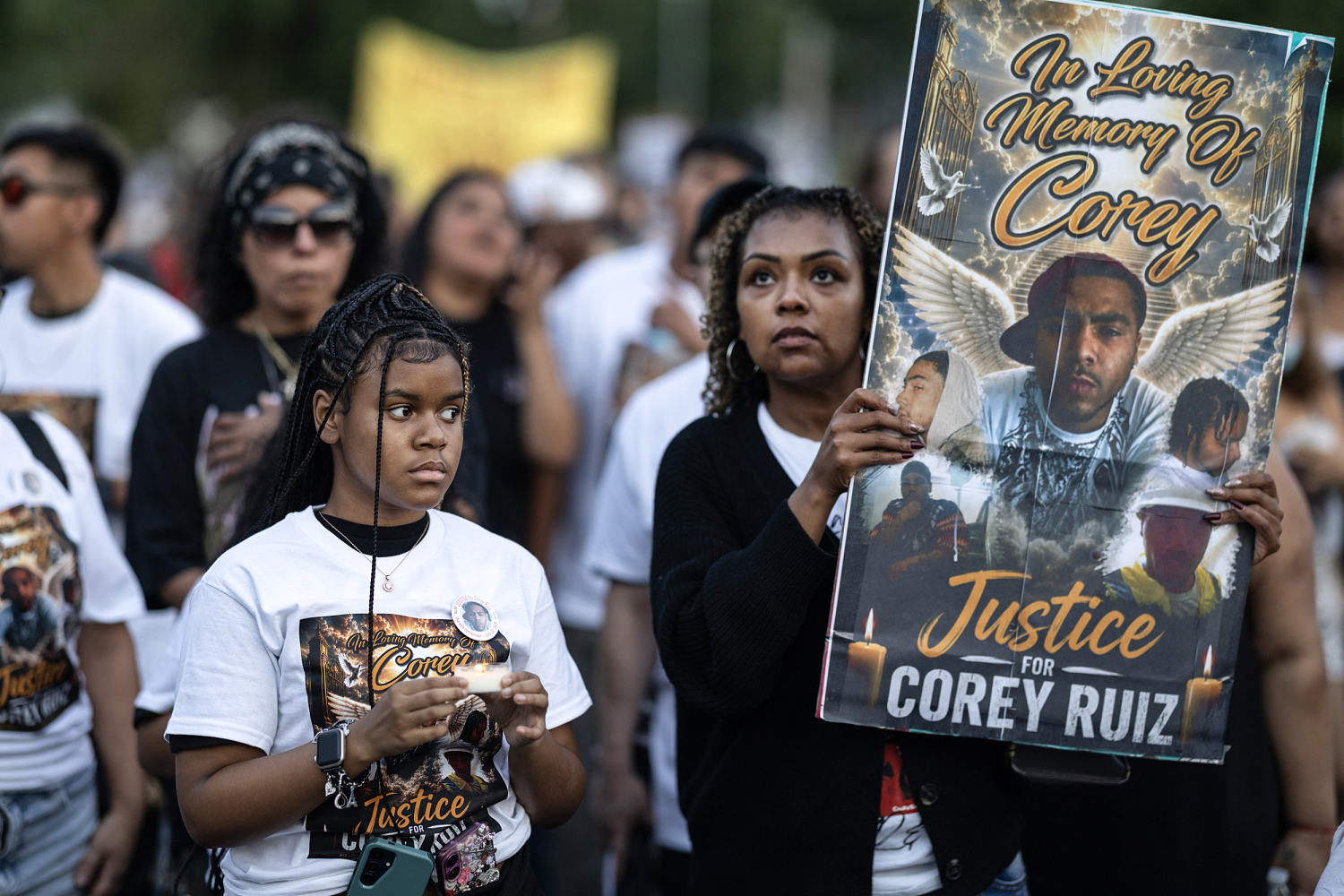
Mourners gathered at the Fountain of Life Church on Badger Road in Madison, Wisconsin, to say goodbye to Corey Ruiz. The 38-year-old Black man's death at the hands of law enforcement ignited intense community outrage, drawing national civil rights leaders to the Midwest.
When police use lethal force, a predictable machinery grinds into motion. Protests erupt, officials promise transparency, and families are left burying their loved ones. But the killing of Corey Ruiz on July 22 exposed raw nerves in Wisconsin's capital, pulling city residents back into painful conversations about accountability, police tactics, and systemic reform.
What Happened on Williamson Street
The fatal encounter unfolded in a busy near east side intersection. Four Madison police officers moved to arrest Ruiz. What started as a physical struggle quickly escalated into a tragedy.
According to police accounts and department statements, Ruiz had a knife during the altercation. Authorities reported that an officer sustained injuries from the weapon before gunfire was discharged. Bystander videos captured pieces of the chaos from multiple angles, spreading quickly across social media platforms and sparking immediate public condemnation.
Critics point to the rapid escalation of force. Community advocates argue that officers are too quick to pull triggers when dealing with individuals experiencing crises or resisting arrest. On the other side, police unions and defenders of the department emphasize the split-second danger officers face when a knife is introduced into a close-quarters struggle.
The Fight for Accountability
Civil rights attorney Ben Crump and Reverend Al Sharpton stepped into the case to represent the grieving family. During the funeral services, Sharpton delivered a pointed eulogy while Crump issued a public call for justice. High-profile representation signals that this local tragedy has become part of a broader national reckoning over police violence.
Transparency remains a central flashpoint. Local residents and activists demanded immediate releases of comprehensive footage, echoing nationwide calls for institutional openness. The Wisconsin Department of Justice’s Division of Criminal Investigation stepped in to handle the independent inquiry, aiming to distance the local department from reviewing its own officer's actions.
Trust is fragile. When an independent state probe replaces an internal review, it satisfies a basic requirement for neutrality, but it rarely heals the immediate breach between marginalized communities and law enforcement agencies.
Moving Past the Cycle of Grief
Protests and vigils emerged across Madison immediately following the shooting. Neighborhood blocks turned into spaces of mourning and anger. People want concrete changes, not just temporary sympathetic statements from city council members.
If cities want to prevent these fatal encounters, public safety strategies must shift. Crisis intervention training, alternative response teams for non-violent calls, and strict de-escalation protocols are mandatory steps. Relying on armed officers to manage every single public disturbance guarantees more tragic outcomes.
Corey Ruiz is gone. His family is left planning a funeral instead of sharing a future. Demanding rigorous oversight and questioning standard police responses isn't anti-safety; it's the baseline requirement for a functioning community.