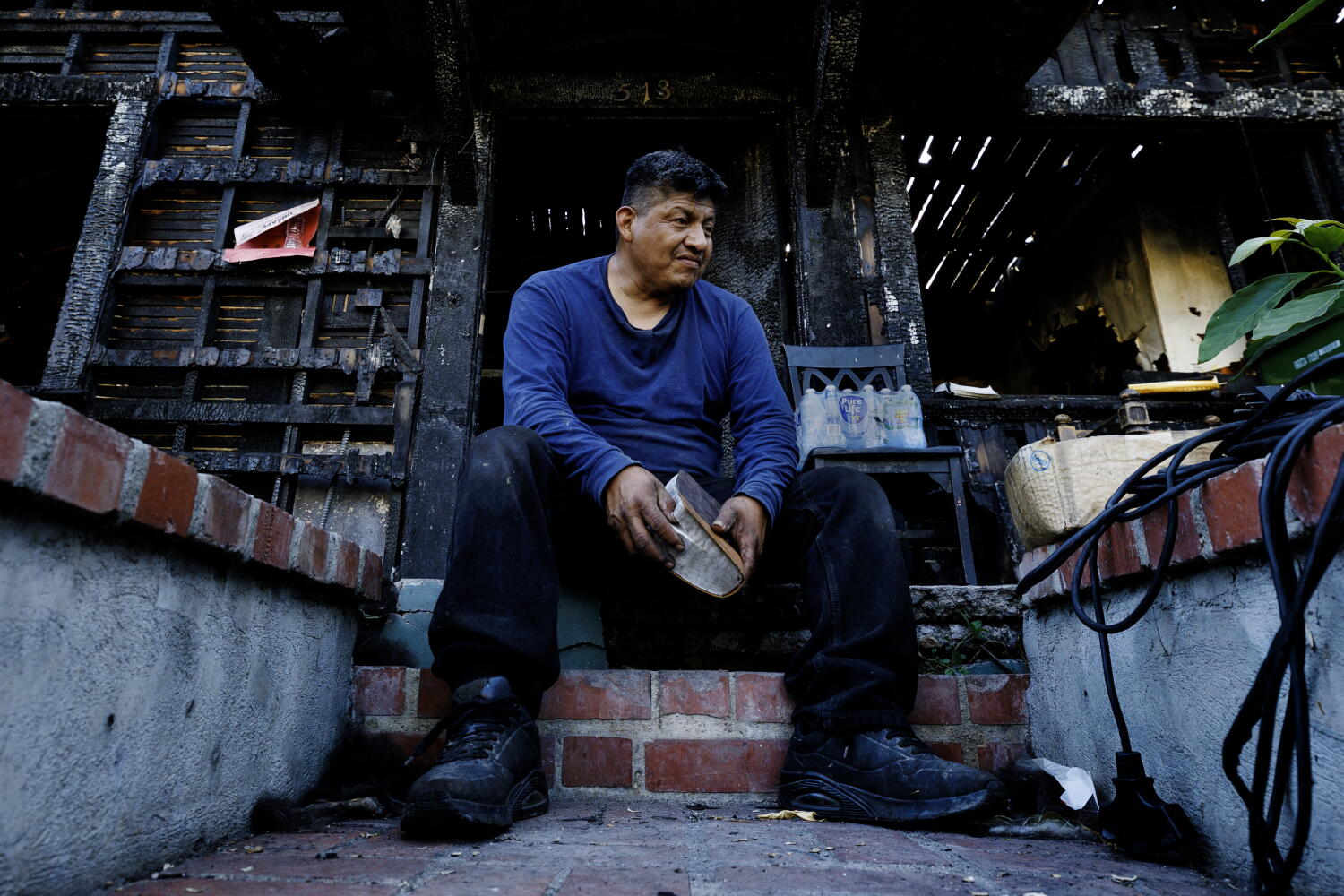
You smell smoke long before you see the charred framework of what used to be a family home. Neighbors in Studio City and Larchmont didn't need a bureaucratic study to tell them that rotting, abandoned properties were ticking time bombs. They called city departments for years. They filed reports, pinged council offices, and watched weeds grow waist-high while squatters moved in under the cover of night. Then came the flames.
Now that election season is rolling through Los Angeles, the city's mayoral hopefuls are suddenly finding their voices on urban decay. They promise stricter code enforcement, faster demolition pipelines, and neighborhood revitalization. But if you look closely at how City Hall operates day in and day out, these campaign trail promises ring hollow. Are the candidates running for L.A. mayor actually part of the fix, or are they direct beneficiaries of the broken machine that allowed these fire hazards to fester in plain sight?
The Anatomy of Municipal Neglect
Let's look at how a residential lot transforms into a public safety nightmare. It rarely happens overnight. Property owners abandon sites due to bankruptcy, probate battles, or sheer speculative greed, letting structures rot until they attract illicit activity. Residents notice the hazard immediately. They log complaints through 311 or email local representatives.
That is where accountability goes to die.
Instead of swift abatement, complaints vanish into a black hole of inter-departmental finger-pointing. The Department of Building and Safety issues a notice. Weeks pass. The owner ignores it. The file moves to a backlogged desk. By the time municipal inspectors return for a follow-up, the roof has caved in and local fire crews are pulling up with sirens blaring.
Mayoral candidates love to stand in front of these ruined lots and talk about tough leadership. They blame administrative red tape as if it's a mysterious weather pattern that just happened to hit Los Angeles. It isn't weather. It's policy. Or worse, it's political cowardice.
Political Expedience Versus Dirty Work
Fixing abandoned properties requires confronting powerful real estate interests and navigating painfully slow judicial foreclosure processes. It means funding code enforcement divisions adequately instead of treating them like afterthoughts.
During election cycles, candidates pitch grand visions of housing production and neighborhood safety. Yet, when asked about specific derelict properties in Council districts, they hide behind procedural excuses. They claim the city's hands are tied by state property rights laws or court injunctions. But when homes burn down and threaten adjacent families, those legal nuances offer zero comfort to homeowners whose property values—and safety—went up in smoke.
If you want to test a candidate's sincerity, don't listen to their speech on housing density. Ask them what they plan to do with the specific blighted, fire-prone parcel down the street from your block that has sat empty for half a decade. Watch how quickly they pivot back to talking points drafted by political consultants.
What Real Accountability Looks Like
Real leadership isn't about issuing press releases after disaster strikes. It demands proactive intervention long before flames light up the night sky.
- Direct Penalties: Impose crushing, compounding daily fines on absentee owners who let residential lots become structural hazards. Stop giving endless extensions to negligent landlords.
- Receivership Overhaul: Empower municipal receivers to take control of abandoned safety hazards immediately, rehabilitate them, or sell them off to cover public abatement costs.
- Transparent Tracking: Build a public, real-time dashboard tracking every complaint filed against abandoned properties so local council offices can no longer bury constituent warnings.
Los Angeles doesn't need another mayoral candidate who treats urban decay as a convenient backdrop for a campaign photo-op. It needs leaders willing to dismantle the administrative inertia that protects negligent property owners at the expense of ordinary residents. Stop waiting for politicians to rescue neighborhoods from hazards they helped ignore. Hold local offices accountable today, demand immediate lien enforcement, and force the city to clean up its act before the next fire starts.


:max_bytes(150000):strip_icc():focal(986x183:988x185)/president-donald-trump-main-033125-5875db75918d4d92b8c319d1e26298bc.jpg)