You want simple answers when a mother kills her children. You want good and evil neatly separated by a courtroom wall. But the Lindsay Clancy case refuses to fit your boxes, and that discomfort is exactly why the world can't look away.
In January 2023, Lindsay Clancy strangled her three young children—Cora, Dawson, and Callan—inside their Duxbury, Massachusetts home. She then cut her wrists and jumped from a second-story window. She survived, but the fall left her paralyzed from the waist down. If you found value in this piece, you might want to check out: this related article.
Now, her trial sits at the center of a brutal global debate. Clancy has pleaded not guilty by reason of insanity. Her defense team argues she was drowning in severe postpartum psychosis, flooded by overmedication, and experiencing a total break from reality. Prosecutors see it differently. They argue she planned the act with chilling clarity, fully knowing what she was doing.
The Anatomy of a Global Obsession
Why does a suburban tragedy in Massachusetts capture headlines from Sydney to London? Honestly, it hits a raw nerve in our cultural psyche. For another look on this event, see the latest update from The Guardian.
We are culturally wired to view women as protectors and nurturers. When a mother commits an act of extreme violence, it shatters our baseline assumptions about gender and safety. Rachel Franks, a crime expert and honorary associate lecturer at the University of Newcastle, points out that society wants justice to be black and white. Yet, the legal system struggles to handle the messy reality of severe psychiatric collapse.
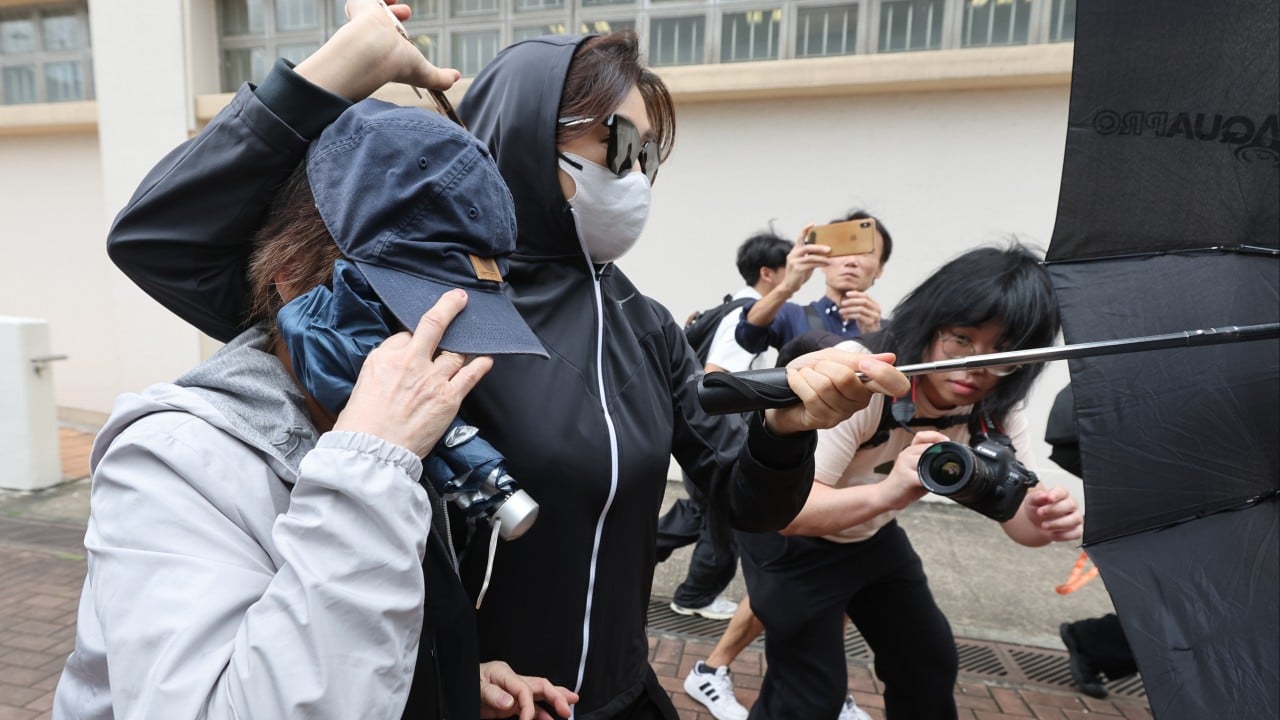
Internet sleuths and social media commentators have spent months picking apart medical records, text messages, and police reports. Supporters wearing pink have gathered outside the Plymouth Superior Court to demand better recognition of maternal mental health. Meanwhile, fierce critics argue that suffering is no excuse for slaughter.
The trial forces us to stare directly at a broken system. Months before the tragedy, Clancy sought help repeatedly. She contacted suicide hotlines, admitted herself into psychiatric facilities, and cycled through a barrage of medications. Her defense lawyer, Kevin Reddington, argued she received deeply inadequate medical care. Adrienne Griffin, executive director of the Maternal Mental Health Leadership Alliance, notes that Clancy was actively trying to get help, yet she slipped through every safety net available.
Postpartum Psychosis Versus Criminal Intent
Postpartum psychosis is rare, affecting roughly one to two out of every 1,000 mothers. It isn't just standard postpartum depression or the "baby blues." It is a psychiatric emergency defined by extreme confusion, terrifying hallucinations, and a total detachment from rational thought.
Yet, juries struggle to parse where medical crisis ends and criminal culpability begins. Public opinion fractures along similar lines. High-profile voices have condemned Clancy outright, demanding maximum punishment. At the same time, maternal health advocates argue that prosecuting a psychotic break as cold-blooded murder ignores the biological reality of severe psychiatric illness.
When a trial drags on through grueling deliberations, it exposes our collective anxiety about accountability. How do you punish someone whose mind was entirely hijacked by a medical event?
What We Actually Need to Change
Cases like this generate a massive wave of outrage, followed quickly by digital amnesia once the verdict drops. But outrage doesn't fix a broken healthcare system.
If you or someone you know is navigating the terrifying reality of perinatal mental distress, waiting for a crisis is a fatal mistake. Reach out to dedicated services immediately. In Australia, organizations like PANDA (Perinatal Anxiety & Depression Australia) at 1300 726 306 or Beyond Blue at 1300 22 4636 provide immediate professional guidance.
Stop treating maternal mental health as an afterthought. Demand better screening, stricter oversight of psychiatric drug cocktails, and real support structures that catch parents before they fall through the cracks.