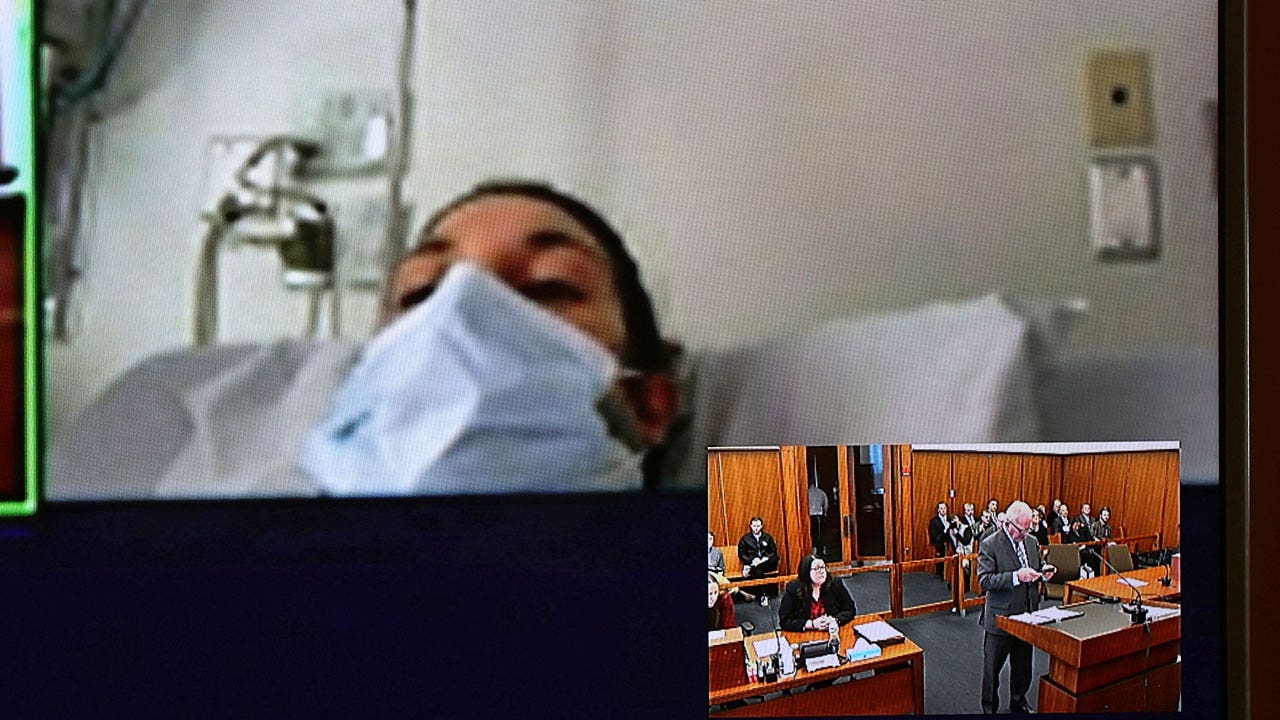
Tragedy doesn't always have a clear villain. Sometimes, it’s a systemic failure, a medical blind spot, or a mental health crisis spiraling out of control. When the news broke about Lindsay Clancy, the Massachusetts mother accused of killing her three children, the public reaction was visceral. People wanted answers. They wanted a motive that made sense. They didn't find one, because mental illness—specifically severe postpartum conditions—often defies logic.
The discourse surrounding this case focused heavily on her "chilling" words in the aftermath. It’s easy to latch onto a quote, pull it out of context, and turn a complex medical tragedy into a tabloid story. But focusing on the horror of the act ignores the reality of the condition. We need to stop treating these cases as simple criminal narratives and start looking at what they tell us about our healthcare system’s failure to support new mothers.
Moving Past the Horror
The media often fixates on the most dramatic elements of a case. That’s how clicks work. But if you’re actually trying to understand why this happened, you have to look at the medical history. Clancy was reportedly navigating a complex and heavy regimen of psychiatric medications in the months leading up to the incident.
I’ve worked with enough families dealing with severe mental health crises to know that medication management is never a straight line. It's trial and error. It's often trial and more error. The mental health system is overwhelmed, fragmented, and often leaves patients, especially new mothers, feeling like they're falling through the cracks. When we talk about "chilling words," we're ignoring the context of a person who may have been struggling to find a stable baseline while being medicated heavily.
The Reality of Postpartum Psychosis
There is a massive difference between the "baby blues" and true postpartum psychosis. Most people still think postpartum issues are just feeling sad or crying. That’s a dangerous misconception.
Postpartum psychosis is a medical emergency. It involves:
- Auditory or visual hallucinations.
- Delusions, often about the baby.
- Rapid mood swings.
- Confusion or disorientation.
When someone is in this state, their reality is fundamentally altered. They aren't acting out of malice. They are acting out of an incomprehensible, terrifying distortion of their environment. By framing these cases as purely criminal, we perpetuate the stigma that prevents other mothers from speaking up when they start feeling like they’re losing their grip.
Why the Healthcare System Fails Parents
We don't provide adequate postpartum support in this country. It’s that simple. A standard six-week checkup is not a mental health screening. It’s a physical check-in that misses the vast majority of psychological red flags.
Think about the standard care model. A mother is sent home with a newborn, often sleep-deprived, isolated, and under immense pressure to "bounce back." If she complains about anxiety or trouble sleeping, she’s often told it’s normal. This culture of "toughing it out" is killing people.
If we want to stop these tragedies, we need:
- Universal screening for postpartum mood disorders at every pediatric and obstetric visit.
- Specialized crisis care that doesn't immediately default to standard psychiatric wards, which aren't always equipped to handle the specific needs of a parent in crisis.
- Better education for partners and family members so they know exactly what to look for beyond just crying.
Stop Looking for a Simple Narrative
The public has an appetite for a monster. It’s comforting to think that people who do horrible things are just "evil." It separates them from us. It makes us feel safe because "I’m not like that."
But the reality is much more uncomfortable. The reality is that mental illness can strike anyone, regardless of how "perfect" their life looks on the outside. Lindsay Clancy had a life that looked fine to the casual observer. That’s the point. The crisis was internal, hidden, and ultimately devastating.
We don't need more sensationalized headlines. We need to talk about why a mother in distress didn't get the intervention that could have saved her children’s lives. If you or someone you know is struggling, don't wait for a "clear" sign. Reach out to a provider who specializes in maternal mental health immediately. It's not a sign of weakness. It's a survival strategy.
We have to do better than just reacting to the aftermath. We have to change the way we protect new parents before the unthinkable happens. The cost of our silence is too high.