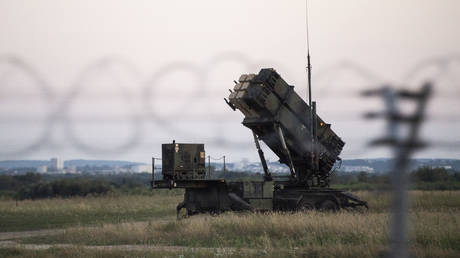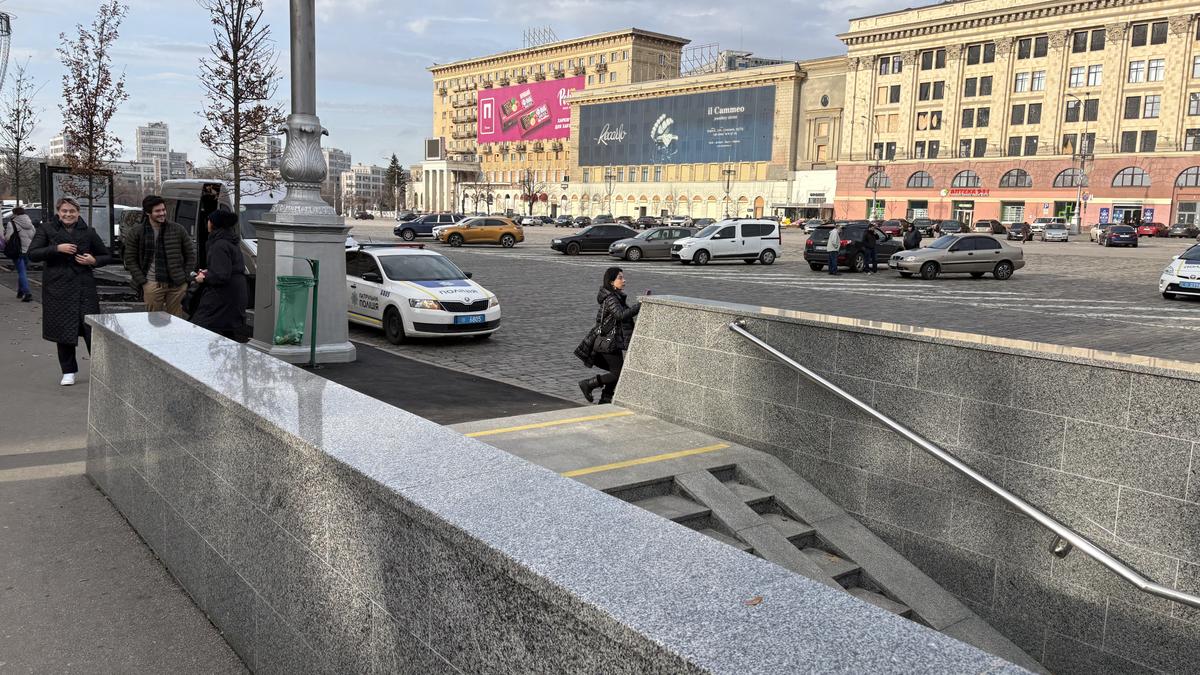
You stop flinching when the air raid sirens wail, but that doesn't mean you aren't terrified. Living through relentless war changes the human brain in ways that textbooks can't quite capture. Years after the initial full-scale invasion, Ukraine keeps fighting, not out of some cinematic movie script, but from sheer, stubborn survival instinct.
If you look past the geopolitical headlines and diplomatic stalemates, you find a country operating on raw adrenaline and customized logistics. Millions navigate rolling blackouts, shattered infrastructure, and the constant psychological weight of uncertainty. This isn't just a military conflict anymore. It's an entire society forced to reinvent how to live, work, and die under fire.
The Reality of Surviving the Everyday Grind
People often ask how normal life functions when missiles drop unpredictably. The honest answer is that it barely does, yet somehow it persists. Cafes in Kyiv operate with generators humming outside while baristas pull espresso shots through scheduled power cuts. Doctors perform surgeries by headlamp when local transformers take direct hits.
You learn to adapt quickly. Schools function underground in converted metro stations or reinforced basements. Children grow up tracing the distinct sounds of incoming air threats, differentiating between interceptor drones and descending cruise missiles before older adults can even look up from their phones.
- Power grids stutter, but local repair crews fix transformers within hours of an attack.
- Commuters plan their daily routes around transit hubs damaged by previous strikes.
- Small businesses pivot overnight to manufacture drone parts or supply frontline trench gear.
The Human Cost Behind the Statistics
Numbers lose their meaning when the scale of destruction grows too large. The United Nations verifies thousands of civilian casualties, yet everyone on the ground knows the true toll runs much higher. Entire families have been split across borders, with mothers and children displaced in Western Europe while fathers remain behind due to martial law restrictions.
Exhaustion hangs heavy in the air. Soldiers returning from eastern sectors speak openly about fatigue and the staggering losses on the battlefield. Yet, public polling and local sentiment show very little appetite for surrendering territory simply to end the misery. The consensus on the street is blunt: a rushed peace deal without real security guarantees just invites another invasion down the road.
How Reconstruction Happens While the Bombs Still Fall
You can't wait for a formal peace treaty to fix a blown-out roof if winter temperatures are dropping below freezing. Local municipalities, international NGOs, and neighborhood volunteers do the heavy lifting of rebuilding while air raid alerts remain active daily.
Reconstruction is painfully expensive. Joint reports from international financial institutions peg the cost of rebuilding Ukraine over the next decade in the hundreds of billions of dollars. Bridges destroyed during the early battles near Kyiv have been rebuilt multiple times, serving as concrete symbols of defiance against ongoing bombardment.
Why This Fight Still Defines Global Security
Dismissing this war as a localized European border dispute ignores reality. The innovations born out of this prolonged combat—ranging from electronic warfare adaptations to decentralized civilian defense networks—are rewriting military strategy textbooks in real time. Economies worldwide feel the shockwaves through shifting energy markets, supply chain disruptions, and evolving defense budgets.
Ukraine isn't just holding a line on a map. It's testing whether a democratic nation can withstand a relentless war of attrition waged by a larger neighbor determined to erase its identity. The outcome of this struggle will dictate international norms for decades, proving whether borders can still be redrawn by force.
The resilience you see in towns like Bucha, Irpin, and across the eastern front isn't blind optimism. It's a calculated, grim choice to protect what remains. There are no easy victories left in this conflict, only the grueling, day-to-day work of staying alive and keeping a nation intact against overwhelming odds.
Ukraine: Resilient civilians enduring relentless warfare
This video explores the gritty daily realities and profound human resilience of individuals caught in the crossfire of the ongoing war.
http://googleusercontent.com/youtube_content/1