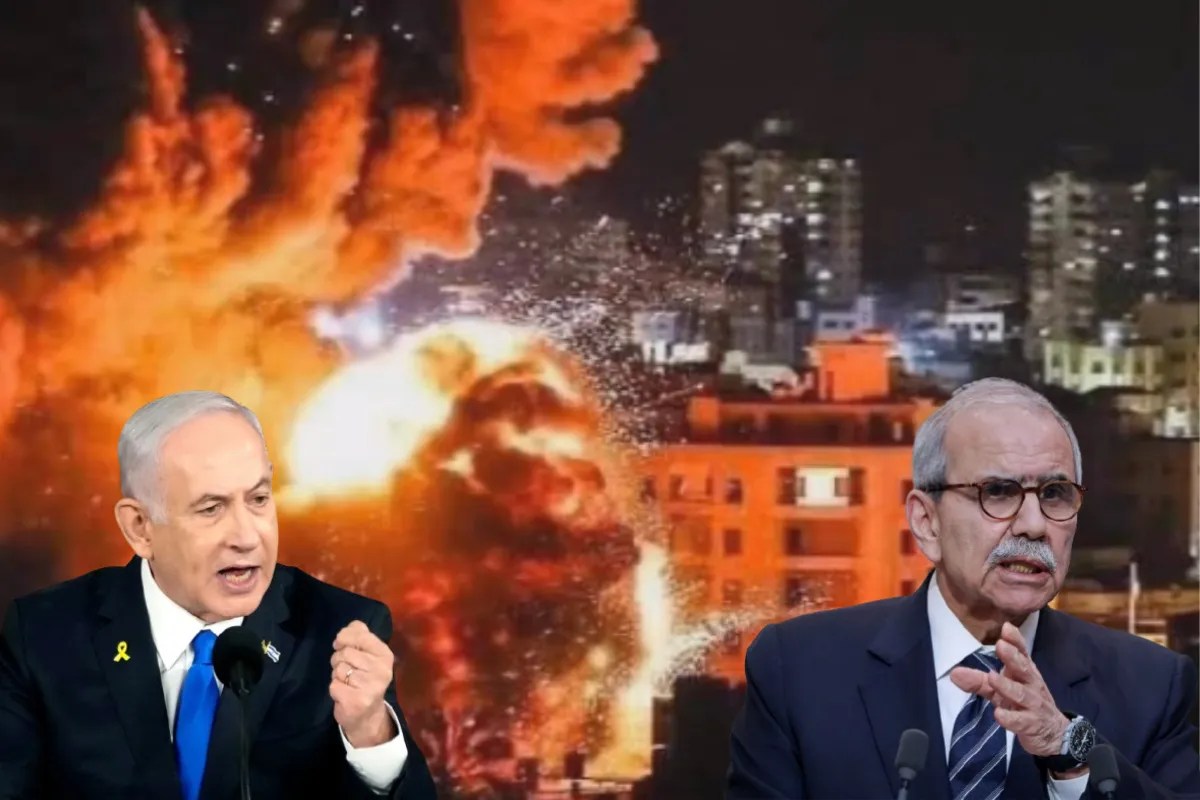
The Middle East is once again staring down the barrel of an expanded military conflict as cross-border hostilities escalate rapidly. Lebanese Prime Minister Nawaf Salam has issued a stark, uncompromising warning against ongoing Israeli military operations in southern Lebanon.
If you think the fragile diplomatic arrangement brokered months ago solved the underlying crisis, you are mistaken. Ground incursions, artillery shelling, and systematic structural demolitions have pushed the region back to a boiling point. For a more detailed analysis into similar topics, we suggest: this related article.
Breaking Down the Ceasefire Breakdown
The core issue driving the current panic isn't just routine cross-border skirmishing. It is the systematic breakdown of the US-mediated truce.
Prime Minister Salam didn't mince words when addressing the international community. He labeled ongoing Israeli military actions—including heavy explosions and structural leveling near the southern border—as a flagrant violation of international law and Lebanese sovereignty. For broader background on the matter, in-depth reporting can be read at NBC News.
Meanwhile, the Israel Defense Forces maintain a completely different operational perspective. Israeli military leadership insists their actions are defensive necessities. Recent operations have focused heavily on dismantling elaborate, multi-level underground tunnel networks beneath locations like the Beaufort Ridge and Ali Taher Ridge. According to the IDF, these subterranean corridors served as core command centers for Hezbollah units, funded and engineered to stage cross-border raids reminiscent of past threats.
The Human and Cultural Cost on the Ground
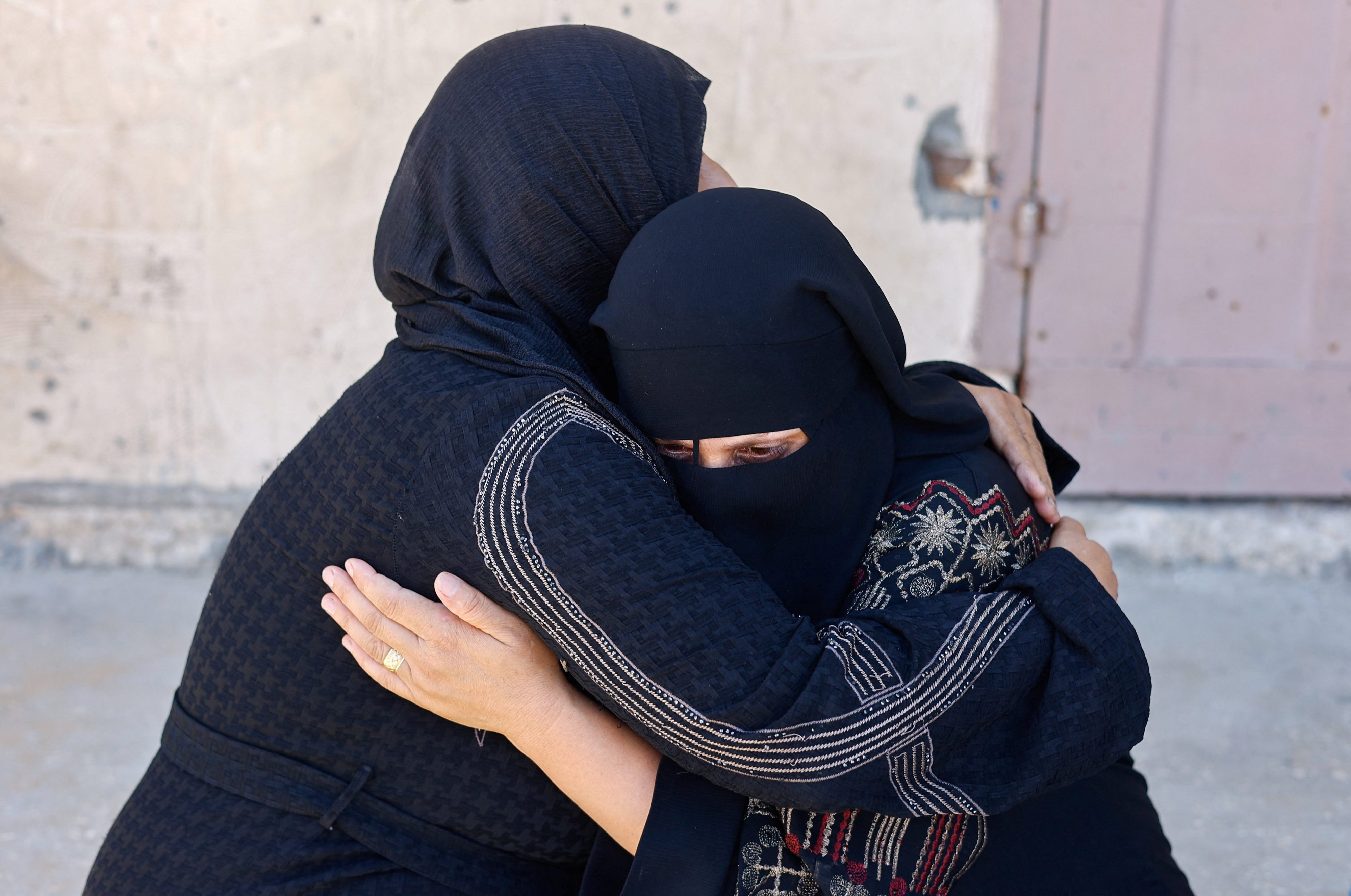
When politicians talk about security zones and tactical withdrawals, they usually gloss over the reality for civilians. The renewed escalation has triggered fresh waves of civilian displacement across southern Lebanon. Families are packing up and fleeing north, straining local infrastructure past its absolute limit.
It is not just human lives caught in the crossfire. Historic architecture is taking direct hits. Recent bombardments have severely impacted areas near UNESCO World Heritage sites in ancient coastal cities like Tyre, leaving ancient columns scattered among twisted metal and concrete debris. When centuries of history are reduced to rubble, recovery becomes nearly impossible.
What Happens Next in the Region
Diplomacy hasn't completely died, but it is on life support. Upcoming US-brokered talks scheduled in Rome represent one of the final off-ramps to prevent total regional conflagration.
Prime Minister Salam continues to frame direct negotiations as the least costly path forward for a devastated Lebanon, yet domestic political pressure and relentless military friction leave little room for compromise.
Israel wants a neutralized northern border free of militant infrastructure, while Beirut demands an immediate halt to territorial violations and a complete withdrawal. Until one side blinks or external superpowers force a hard reset, the entire border zone remains a ticking clock.