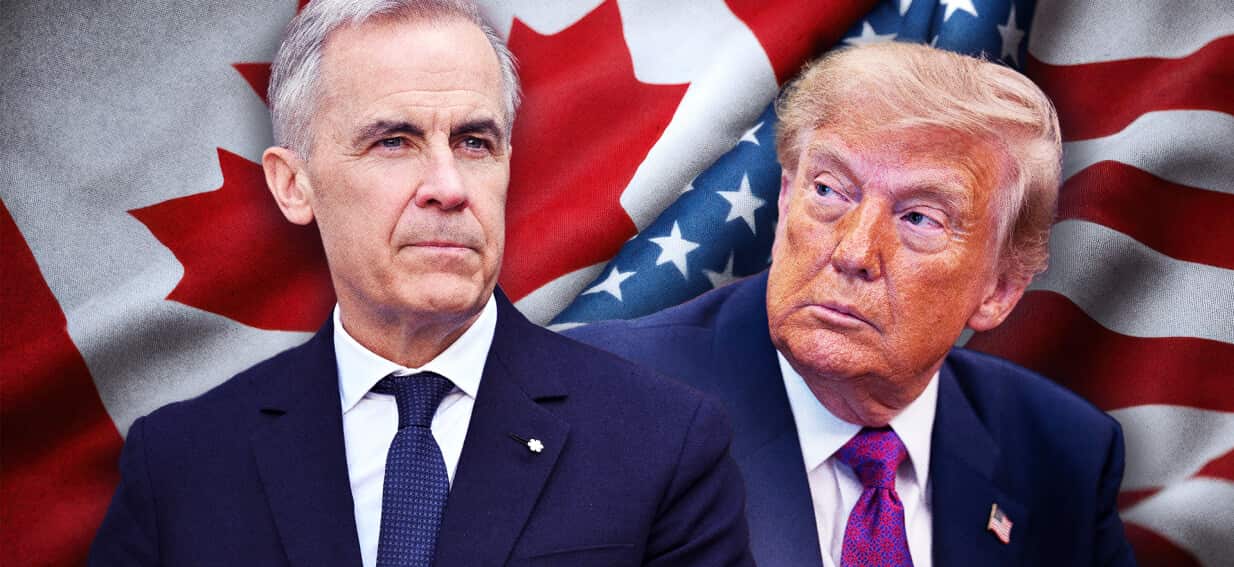
Trade negotiations between neighbors rarely end in quiet handshakes. They usually end in shouting matches, retaliatory blows, and officials pointing fingers across the border. Right now, Washington and Ottawa are locked in another fierce economic brawl, and the blame game is running at full throttle.
Jamieson Greer and the U.S. administration are spinning a very specific narrative. They claim Canada forced America's hand by responding with counter-tariffs. It is a classic move from the playbook of economic pressure. You hit a trading partner with heavy import duties, and when they swing back to protect their domestic industries, you act shocked and aggrieved. If you found value in this post, you might want to check out: this related article.
Let's look past the political theater. If you impose sweeping tariffs on a sovereign nation that sends the bulk of its exports to your market, you are not inviting a negotiation. You are declaring a trade dispute. Expecting Ottawa to just absorb the economic hit without matching measures ignores every rule of modern economic statecraft.
Trade wars rarely stay contained. They ripple outward through supply chains, driving up prices for everyday consumers while politicians score cheap domestic points. When supply chains fracture, factories on both sides of the border pay the price for bureaucratic posturing. For another look on this development, see the latest coverage from Financial Times.
The real question isn't who threw the latest punch. It is whether either side has a coherent exit strategy before core industries take permanent damage. Right now, both governments seem more interested in looking tough for the cameras than finding a functional compromise.
If you run a business dependent on cross-border logistics, you cannot afford to wait for politicians to sort this out. Diversifying your supplier base and insulating your operations from sudden regulatory shifts is no longer optional. It is the only way to survive an era of erratic trade policies.
Economic retaliation breeds more retaliation. Until leadership changes its tune, expect higher costs, tighter margins, and plenty more public posturing from trade officials who refuse to own the consequences of their own escalation.