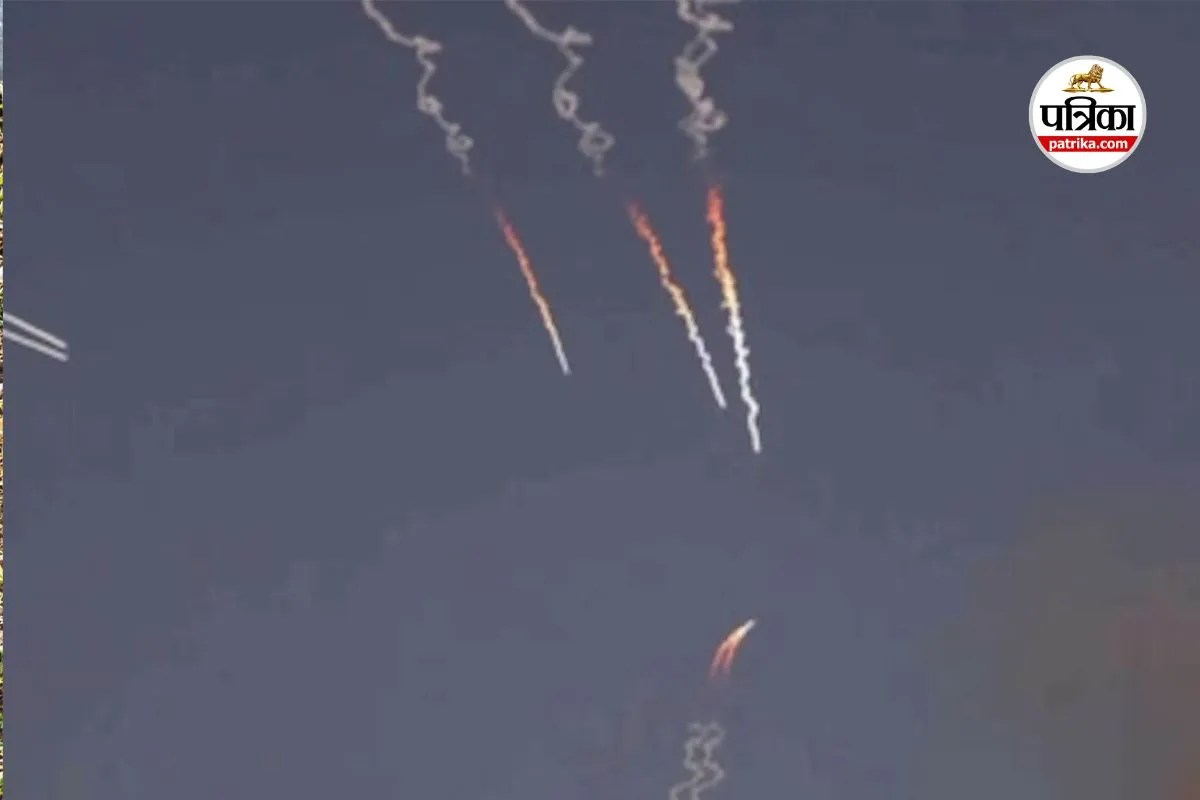
When a barrage of ballistic missiles and explosive drones slams into critical oil infrastructure, the shockwaves aren't just felt on the ground—they ripple straight through global markets. That is precisely what happened when coordinated strikes targeted critical Saudi Aramco infrastructure and southern cities, leaving 73 civilians injured and forcing a temporary halt to key energy operations.
If you think the regional conflicts in the Middle East are localized disputes, you're missing the bigger picture. These aren't just regional skirmishes. They are direct threats to the arteries of the global economy. Let's break down what actually happened, why this escalation matters right now, and what it means for energy stability moving forward.
The Anatomy of the Strike
The operation wasn't a random hit. It was a calculated, multi-city assault that targeted the southern Saudi hubs of Abha, Khamis Mushait, Jazan, and Najran. According to reports confirmed by the Saudi-led coalition and the Ministry of Energy, the strikes ignited massive fires at vital energy facilities and utility sites.
Jazan—home to a massive 400,000-barrel-per-day oil refinery and crucial downstream industrial infrastructure—took a direct hit. Operations were immediately suspended as specialized teams scrambled to contain the blazes and secure the perimeter.
The human toll is what separates this round of attacks from standard military posturing. Seventy-three civilians, including women and children, sustained injuries of varying severity. Major General Turki al-Maliki, spokesperson for the coalition, didn't mince words, labeling the barrage a dangerous escalation and a blatant violation of sovereignty. Meanwhile, Houthi military spokespersons claimed responsibility, stating they deployed dozens of drones and ballistic missiles in response to ongoing coalition airstrikes.
Why This Escalation Changes the Game
For months, global observers hoped a fragile status quo might hold. That hope evaporated overnight. When non-state actors acquire the capability to repeatedly pierce advanced air defense radiuses and strike economic crown jewels like Saudi Aramco assets, the risk matrix for international commerce shifts entirely.
You have to look at the timing. These strikes followed a spike in cross-border violence, including a reported strike on a correctional facility in northern Yemen. Retaliation cycles in this conflict have a predictable, vicious rhythm. But scaling up operations to target high-value oil installations pushes the entire Arabian Peninsula back toward full-scale war.
Let's look at the operational reality:
- Supply Vulnerability: Even temporary halts at major refining hubs like Jazan send immediate jitters through petroleum markets.
- Civilian Exposure: Shifting targets toward population centers and economic cities ensures high casualty counts, dragging non-combatants directly into the line of fire.
- Deterrence Failure: Traditional defense shields can intercept dozens of incoming threats, but a single leak through the net causes billions in damage and operational paralysis.
The Broader Economic Fallout
Energy markets hate uncertainty. Whenever infrastructure belonging to the world's top energy exporters faces physical damage, traders react instantly. While emergency protocols allow state firms to reroute supplies and rely on redundant systems, continuous targeting of Red Sea shipping lanes and land-based refineries creates a cumulative tax on global trade.
Insurance premiums for cargo vessels spike. Shipping routes face rerouting pressures. Every single disruption adds hidden costs that eventually trickle down to fuel pumps worldwide. Riyadh has made it clear that it views these acts as existential threats, reserving its absolute right to respond with full operational force.
What Comes Next
The rhetoric coming out of the Saudi Foreign Ministry signals zero tolerance for ongoing provocations. The military command has promised decisive operational measures to neutralize threat sources at their root. For Yemen, this means any fragile diplomatic openings are likely frozen, replaced by renewed ground clashes across contested governorates like Al-Jawf, Taiz, and Al-Hudaydah.
Keep a close eye on maritime security task forces in the region and official production updates from national energy firms. The next few weeks will determine whether this incident remains a severe escalation or spirals into a wider regional conflagration.