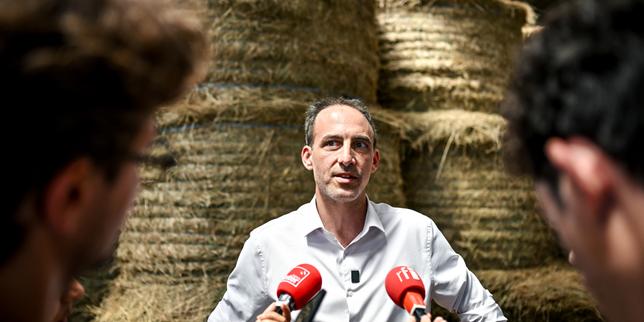
Foreign interference in French politics just leveled up. European Parliament member Raphaël Glucksmann found himself directly in the crosshairs of a sophisticated Russian destabilization network aimed at scrambling the landscape ahead of the 2027 presidential election.
If you think political deepfakes are just a futuristic annoyance, look closer. The operation didn't just target Glucksmann as a prospective candidate. It dragged in his partner, prominent journalist Léa Salamé, and investigative veteran Edwy Plenel, creating a toxic cocktail of fabricated corruption scandals designed to erode public trust in both journalism and democratic institutions.
Anatomy of a Kremlin Disinformation Op
The mechanics behind this specific attack reveal a playbook designed to mimic legitimate French media. Security experts and open-source investigators traced the campaign back to known prorussian actor networks, specifically identifying the notorious digital influence group Storm-1516.
Instead of clumsy bot farms tweeting out broken French, these operations use high-end technical deception.
- The Fake Media Mirage: The operation spun up a lookalike website mimicking the independent investigative outlet Blast.
- The Deepfake Audio: Videos utilized artificial intelligence to clone voices, fabricating statements that sounded entirely authentic to the casual viewer.
- The Invented Paper Trail: Entire email chains were forged from scratch to substantiate a nonexistent bribery plot.
The narrative pushed a false claim: that Léa Salamé had attempted to secretly bribe major media outlets to grant favorable coverage and soft treatment to her partner's political ambitions. Edwy Plenel and other public figures quickly found their identities hijacked to lend fake credibility to the stunt.
Why Glucksmann is the Primary Target
Glucksmann's consistent, unyielding support for Ukraine and his vocal criticism of the Kremlin make him an obvious target for foreign intelligence operations. Moscow wants to neutralize figures who advocate for robust European defense and military aid to Kyiv.
When foreign actors manufacture fake scandals involving domestic media stars and political figures, the goal isn't necessarily to convince everyone the lie is true. The objective is much simpler and more corrosive: create widespread cynicism. If voters start believing that every journalist is corrupt and every politician is staging a setup, democratic accountability collapses.
Both Plenel and other targeted public figures took to social platforms immediately to debunk the manufactured emails and altered audio. Glucksmann himself refused to back down, framing the attack as proof that his political stance is landing effective punches against authoritarian regimes.
Protecting the 2027 Electoral Process
France's digital watchdog agency, Viginum, tracks these foreign interference vectors closely, warning that state-sponsored manipulation will only accelerate as the 2027 race draws nearer. Manipulating elections via proxy media networks is cheap, deniable, and devastatingly effective at sewing domestic discord.
You can protect yourself from falling victim to similar digital tricks by taking a few straightforward precautions:
- Verify the URL: Always check if a breaking news scoop actually lives on the official domain of a recognized news organization rather than a lookalike web address.
- Look for Cross-Verification: If a massive corruption scandal involving high-profile anchors drops exclusively on obscure social media channels without mainstream journalistic backup, pause and be skeptical.
- Watch for Synthetic Audio Cues: AI-generated voice cloning has improved, but unnatural cadence and strange audio artifacts remain dead giveaways under close scrutiny.
The digital battlefield of modern politics requires a healthy dose of skepticism. Don't let foreign actors weaponize your doubt against your own democracy.