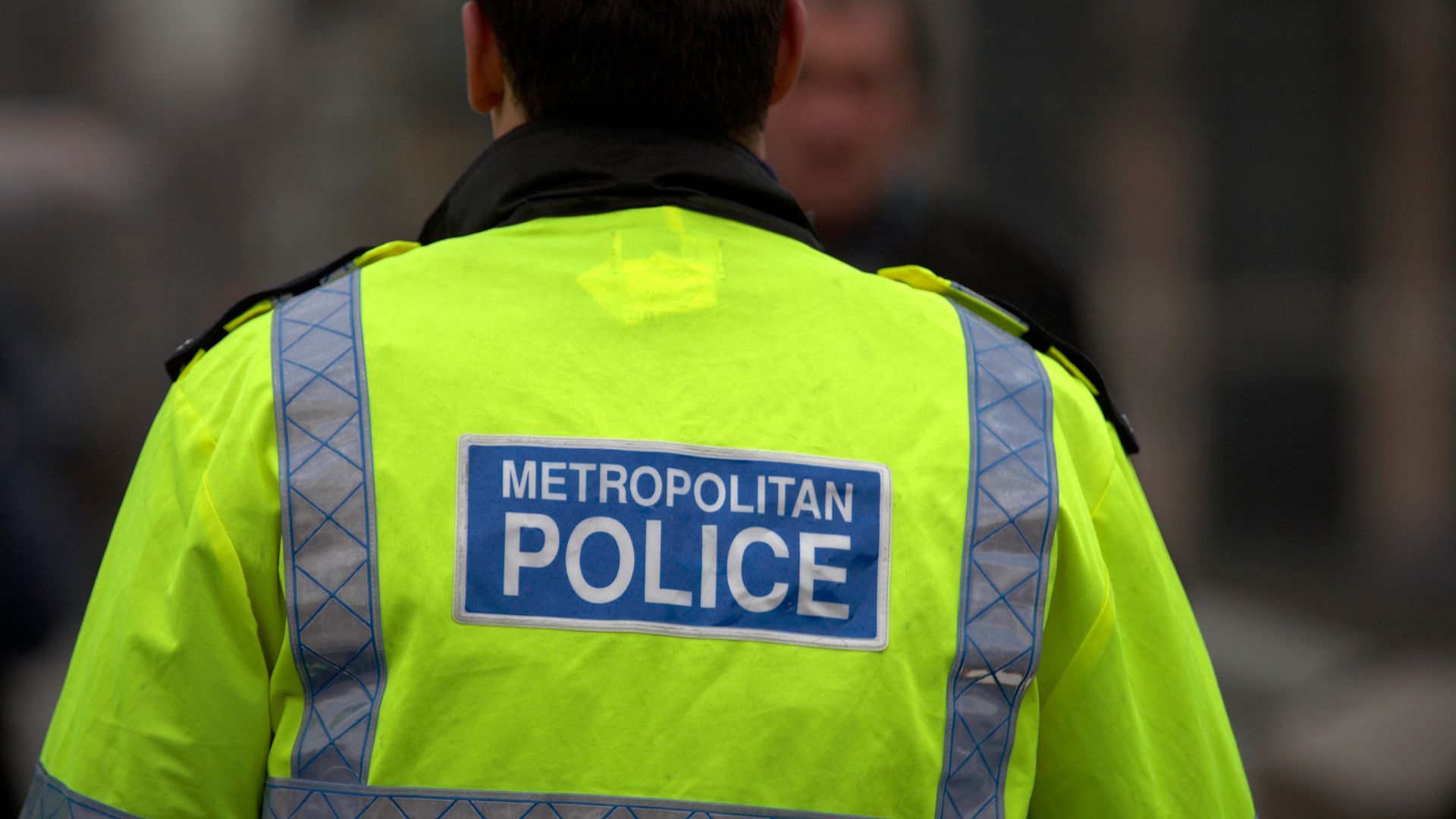
Counter-terrorism units don't kick down doors in quiet provincial towns on a whim. When British police moved on a property in Swindon, they weren't chasing petty criminals. They were cornering a suspected node in a sprawling, modern sabotage network orchestrated by foreign military intelligence.
Joshua Cammidge, a 31-year-old British national, now sits behind bars facing grave charges under the National Security Act 2023. Prosecutors claim he didn't just passively read leaked documents or browse fringe chat rooms. Instead, court documents show he allegedly mapped out local drone manufacturing facilities and researched wifi-jamming equipment on behalf of handlers linked directly to the GRU Volunteer Corps.
This case highlights how modern espionage has evolved far past the old clichés of trench coats and dead drops in foggy parks. Today's proxy warfare looks like a local resident scrolling through Google Maps, chatting on Telegram, and sending screenshots of industrial estates to an overseas handler who wants to cripple domestic military production.
Inside the Swindon Investigation
The timeline laid out by the Crown Prosecution Service reveals a rapid, digital-first recruitment pipeline. Between late March and early September, Cammidge allegedly shifted his communications from standard social media over to encrypted apps like Telegram. Prosecutors point to dozens of direct messages exchanged over a frantic week in late August and early September, centering squarely on local drone factories.
Swindon has quietly grown into a major hub for military drone design and assembly. That makes it a high-value target for a foreign power desperate to disrupt supply chains feeding into Ukraine and strengthening Western defense readiness.
When Counter Terrorism Policing London officers, backed by Wiltshire Police, finally moved in on September 4, they didn't just arrest a suspect. They seized digital devices that investigators believe will map out a broader chain of command. Cammidge was hauled to a London station, detained further under stringent national security laws, and later shipped to Westminster Magistrates' Court wearing a prison-issue tracksuit before his case was sent forward to the Old Bailey.
The Role of the GRU Volunteer Corps
You can't understand why these charges are so severe without looking at who is pulling the strings. The British government formally designated the GRU Volunteer Corps as a hostile terrorist entity under state threat laws. That designation carries real teeth. Expressing support for the group or acting as its proxy isn't treated as simple activism or freelance dissent. It's treated as an act of direct sabotage against the state, carrying maximum sentences stretching up to fourteen years behind bars.
The GRU—Russia's military intelligence agency—has a long, documented history of operations on British soil. Most people remember the 2018 Salisbury nerve agent attack. But recent operations have shifted away from high-profile assassinations toward cheap, deniable proxy sabotage. By recruiting local citizens to scope out factories, take photos, and plan low-tech disruptions, foreign intelligence agencies create a buffer between themselves and the actual crime.
Security Minister Dan Jarvis didn't mince words when addressing the broader threat landscape. Anyone trying to undermine domestic security will feel the full weight of the law, he warned, signaling that counter-terrorism units are actively hunting for similar domestic cells.
Why Domestic Sabotage Plots Are Spiking Now
Relations between London and Moscow have flatlined since the full-scale invasion of Ukraine. As the UK continues to supply advanced military hardware, intelligence sharing, and manufacturing blueprints to support Kyiv, Moscow has increasingly looked for ways to retaliate on European soil without triggering a direct, all-out military conflict.
Targeting domestic drone factories is a low-cost, high-disruption strategy. If an operative can successfully scout vulnerabilities, map out security blind spots, or test electronic jamming gear near a critical manufacturing plant, foreign handlers get high-grade tactical intelligence without risking their own diplomatic personnel.
Yet, this strategy relies heavily on finding disgruntled, easily radicalized, or financially motivated locals willing to do the dirty work. Cases like this show that the front line of modern geopolitical conflict isn't just a trench in Eastern Europe. It's an industrial estate in Wiltshire, a smartphone screen, and local infrastructure hiding in plain sight.
Review your digital footprints, stay aware of unusual recruitment patterns targeting critical infrastructure workers, and report suspicious industrial reconnaissance to local law enforcement immediately.