Sirens pierced the dawn air across Riyadh. Explosions echoed near the capital's main airport, sending thick plumes of black smoke rolling into the sky.
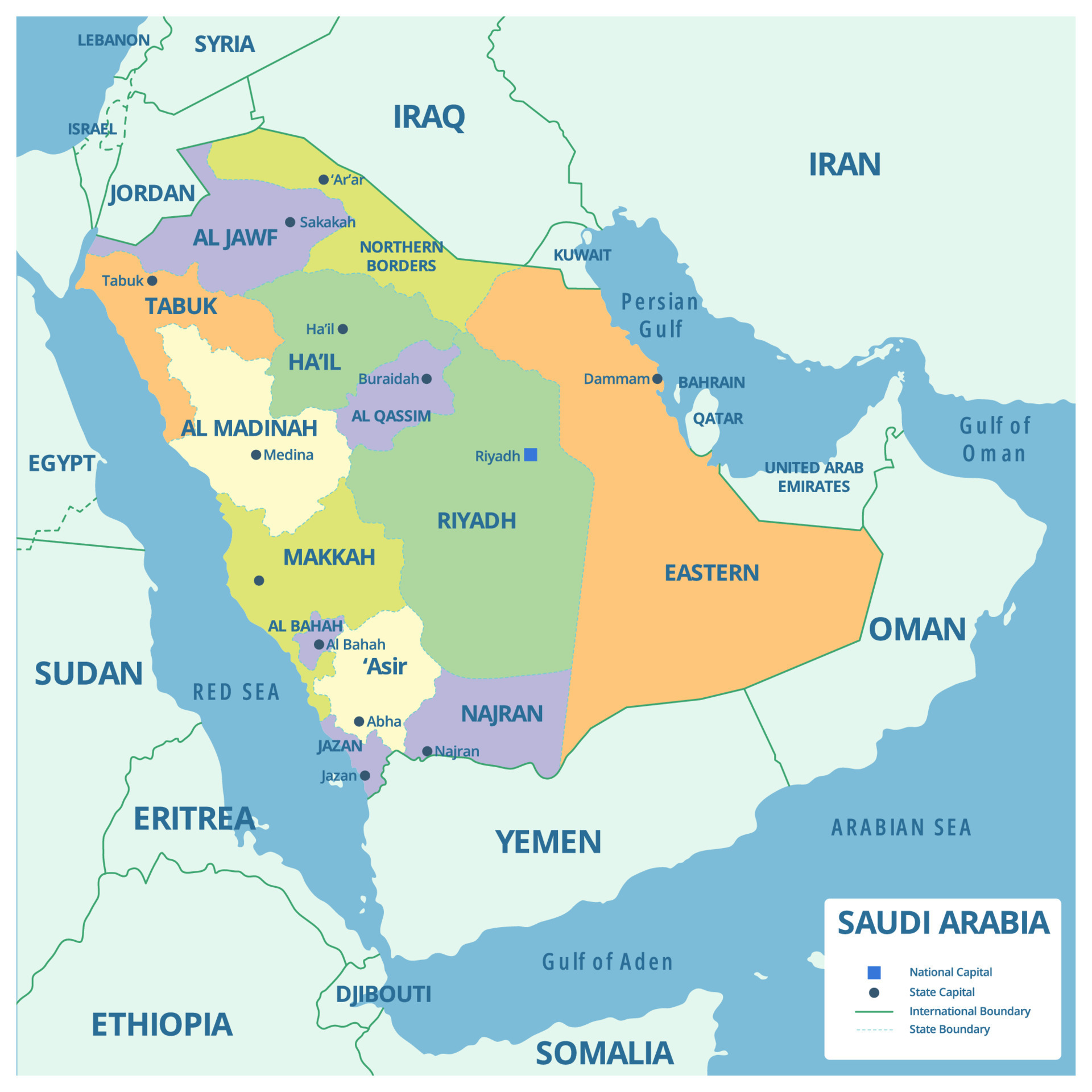
The Saudi-led military coalition moved fast, announcing that its air defenses successfully intercepted and destroyed a ballistic missile targeted directly at Riyadh. It wasn't an isolated incident. Across the kingdom, simultaneous aerial assaults targeted civilian infrastructure in Yanbu, Taif, Bisha, and Farasan.
The stakes just got higher. This latest escalation shatters any illusion that regional tensions are cooling down.
The Anatomy of a Multi-Front Escalation
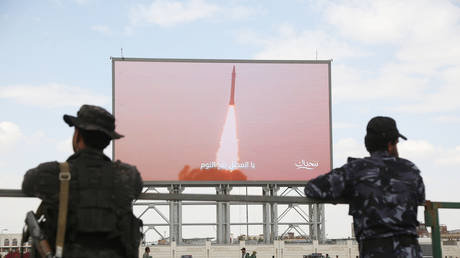
Let's look at what actually happened. The Iran-backed Houthi movement claimed responsibility for the barrage, stating it came in direct response to military actions in Sanaa. But targeting Saudi population centers and vital energy nodes like the Aramco facilities in Yanbu marks a dangerous shift.
Coalition spokesperson Major General Turki al-Maliki didn't mince words. He accused the group of intentionally escalating attacks against civilians and stated that the coalition maintains the absolute right to respond under international humanitarian law.
Residents woke up to rare emergency text alerts warning them to shelter indoors. For a city that has largely insulated itself from the worst of the regional spillover, hearing booms in upscale districts like Olaya brings the war right to the doorstep.
Why This Regional Flashpoint Differs Now
You can't separate these strikes from the wider geopolitical chessboard. The attacks coincide with a broader regional conflict involving US and Israeli actions against Iran, creating a compounding crisis for Gulf security.
While Washington has kept its distance—with President Donald Trump resisting direct US military intervention against the Houthis—regional players are scrambling to form new security arrangements. Turkey recently signaled readiness to provide military and technical assistance to Saudi Arabia under a trilateral defense pact involving Turkey and Pakistan. When a security agreement dictates that an attack on one nation triggers a collective response, local skirmishes quickly transform into international test cases.
Meanwhile, Iran's Supreme National Security Council maintains that Tehran wants a negotiated settlement to end the Saudi-Houthi war, even as the proxy conflict intensifies on the ground. Diplomatic channels via Qatari and Pakistani mediators are working overtime, but rockets in the sky speak louder than backroom talks.
The Economic and Strategic Fallout
Energy markets hate uncertainty. The targeting of Yanbu on the Red Sea coast—a critical export hub—directly threatens global oil flows, especially with maritime trade already choked off in key regional waterways.
When the Houthis declared a naval blockade against Riyadh earlier this year, many dismissed it as posturing. They aren't posturing anymore. The frequency of drone and missile launches targeting economic targets means insurance rates, shipping logistics, and corporate risk assessments across the Middle East are being rewritten overnight.
The UN Security Council has condemned the ongoing strikes, but condemnations rarely stop ballistic missiles.
Expect a firm military response from Riyadh. The coalition has made it clear that tolerating cross-border strikes is no longer an option. Watch how the trilateral defense framework between Saudi Arabia, Turkey, and Pakistan develops in the coming days, because it will dictate the next phase of security architecture in the Gulf.


/268075-003-58b9ddfa5f9b58af5cb9f9ac.jpg)