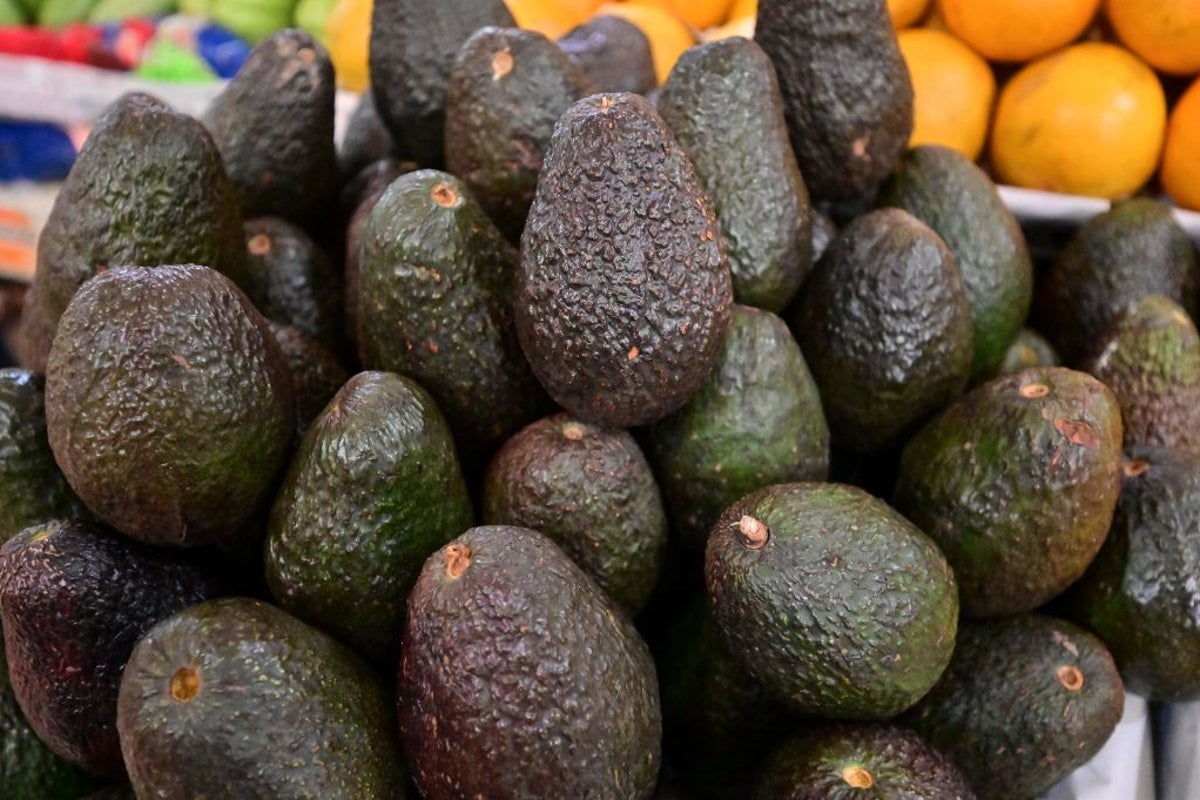
You love your guacamole, but you probably don't think about the armed cartels, military deployments, and diplomatic standoffs required to get that green fruit onto your grocery store shelf.
Another security crisis in Michoacán recently brought the cross-border avocado trade to a screeching halt. While operations have officially normalized after a swift military response, this recurring headache reveals a fragile supply chain that few consumers ever see. If you run a restaurant, manage grocery procurement, or just care about your weekly grocery budget, ignoring these geopolitical tensions is a massive mistake. For a closer look into this area, we recommend: this related article.
Inside the Michoacán Security Crisis
The trouble started when the United States embassy slammed the brakes on agricultural operations in Michoacán—Mexico's premier avocado-producing powerhouse. A safety alert triggered by threats against U.S. Department of Agriculture inspectors, combined with local violence following the detention of alleged cartel leader Alfonso Fernandez Magallon, forced Washington to act fast.
For security officials, protecting personnel is non-negotiable. For the multi-billion-dollar export market, a sudden halt spells immediate panic. For additional details on this topic, in-depth reporting is available at Al Jazeera.
Mexico didn't waste time letting the crisis fester. President Claudia Sheinbaum's administration rushed to protect the agricultural sector by deploying over 1,500 soldiers and National Guard troops directly to the region. These forces secured packing facilities, orchards, and highway inspection checkpoints, proving just how vital the green gold trade is to the national economy.
U.S. Ambassador Ron Johnson acknowledged these rapid security commitments, paving the way for a partial rollout before full operations officially resumed.
Why This Keeps Happening to Your Produce
This isn't an isolated incident. If you track agricultural trade, you know history loves to repeat itself.
Similar security-driven suspensions hit the region in 2022 and 2024, the latter triggered when American inspectors were physically assaulted and detained during a local disturbance. Organized crime syndicates in Michoacán have heavily diversified away from traditional illicit trades. They now target agricultural interests, shaking down lime and avocado growers for protection money, extortion fees, and a cut of every truck leaving the state.
U.S. inspectors operate on the front lines of this chaotic reality. When threats emerge, Washington pulls its personnel instantly. Mexican authorities are left scrambling to deploy battalions just to convince foreign bureaucrats that packing sheds are safe.
What This Means for Your Wallet and Supply Chain
Short-term panic rarely translates into empty grocery aisles, but it creates market jitters. The Mexican Hass Avocado Association routinely reassures buyers that existing inventories can cushion brief inspection pauses.
Even so, structural vulnerabilities remain impossible to ignore. Consider what happens if you rely entirely on a single region for a perishable commodity.
- Price Volatility: Supply fears cause wholesale prices to spike overnight, squeezing restaurant margins and retail buyers.
- Geographic Concentration: Michoacán and neighboring Jalisco supply the vast majority of imported avocados, meaning a localized security breakdown instantly impacts international markets.
- Regulatory Pressure: Every security scare hands ammunition to domestic producers in places like California, who push for tighter seasonal import restrictions and phytosanitary barriers.
Practical Next Steps for Buyers and Businesses
If your business depends on a steady flow of imported produce, hoping for the best is a terrible strategy. You need to adjust your procurement playbook right now.
Diversify your sourcing channels away from complete reliance on Michoacán when possible. Keep a close eye on bilateral trade updates between the U.S. embassy and Mexico's security cabinet. Build flexible menu pricing or inventory buffers to absorb sudden wholesale price swings before they eat your profits.
Stop treating agricultural supply chains as stable infrastructure. They run on complex human elements, fragile security pacts, and constant geopolitical negotiations.