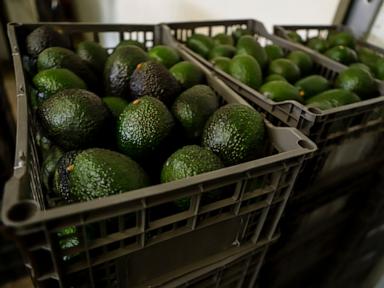
Your favorite brunch staple is once again caught in the crosshairs of cartel violence. The United States just pulled the plug on all government operations in Mexico's Michoacan state, issuing an immediate halt to the agricultural inspections required to ship avocados north of the border.
If you love guacamole, this feels like an annoying headline about supply chains. If you understand how the multi-billion-dollar green gold trade actually operates, you know it's a symptom of a much deeper, uglier reality that neither governments nor growers can easily fix. Meanwhile, you can read other developments here: Why Washington Is Slapping A 15 Percent Tariff On Polysilicon.
What Triggered the Shutdown
The U.S. Embassy didn't mince words in its security alert, citing a vague yet ominous "threat to U.S. interests". But local context tells the real story. Michoacan Governor Alfredo Ramírez Bedolla pointed to recent high-profile arrests targeting extortion rings as the catalyst for the temporary worker-safety pause.
Over the weekend, Mexican authorities bagged Alfonso Fernández Magallón, better known as "El Poncho," a local cartel boss who lorded over the avocado-rich region around Los Reyes. The U.S. had slapped a hefty five-million-dollar bounty on his head for a reason. While arresting cartel leaders is supposed to be a victory, it usually triggers immediate violent retaliation and instability on the ground. That instability is precisely what forced American agriculture inspectors off the floor. To see the bigger picture, we recommend the recent report by Harvard Business Review.
The Economic Weight of Michoacan Green Gold
Let's look at the numbers. Mexico supplies roughly eighty percent of all avocados consumed in the United States. In 2025 alone, American buyers imported $3.65 billion worth of the fruit. Business was booming so hard that imports surged thirty-five percent in the first four months of this year compared to the previous year.
A single state, Michoacan, sits at the heart of this empire, supporting roughly 200,000 local jobs. When the U.S. Department of Agriculture halts its inspectors from certifying packing houses and orchards, the pipeline freezes. Avocados already in transit will still cross the border, but future shipments stall out instantly.
Cartels and the Protection Racket Economy
Drug trafficking used to be the sole domain of Mexican cartels. Today, organized crime treats agriculture like an extra ATM. At least four major cartels operate inside Michoacan, fighting vicious turf wars while simultaneously squeezing every legitimate business owner for protection money.
Growers routinely pay heavy extortion fees per acre just to keep their orchards from being torched or their family members from being kidnapped. When local kingpins get arrested, the delicate, mafia-entrenched ecosystem of the packing plants reacts violently. USDA inspectors, tasked simply with ensuring produce is pest-free, find themselves directly in the line of fire of criminal retribution.
We have seen this movie before. Past threats and attacks on American agricultural personnel have triggered similar border-crossing freezes, leaving grocery store shelves vulnerable and prices fluctuating wildly.
What Happens Next for Buyers and Importers
State security forces have already deployed hundreds of personnel to secure the Los Reyes zone, trying to patch over the security gap left by the cartel boss's arrest. Ambassador Ronald Johnson and local officials are scrambling to create a safe working environment so the U.S. government can resume its vital inspection duties.
Until those safety guarantees are met, the border remains a bottleneck. If you run a restaurant or manage produce procurement, stop relying on a single sourcing region. Diversifying your supply chain away from volatile hotspots isn't just smart logistics anymore; it's basic survival.
U.S. suspends avocado inspections in Mexico over security concerns
This video details the background and immediate trade impacts of the USDA's decision to halt agricultural checks in Mexico due to mounting security risks.
http://googleusercontent.com/youtube_content/1