Nearly thirty years have passed since the guns went silent in Kosovo, but the ghosts of the past refuse to stay buried. Forensic teams are currently digging through the soil in the northern village of Kalluder, searching for human remains tied to the 1998-1999 conflict.
If you wonder why these excavations still dominate headlines, the answer is simple. Around 1,600 people remain unaccounted for. Families live in a permanent state of limbo, waiting for answers that governments have dragged their feet on for decades.
The Search in Zubin Potok
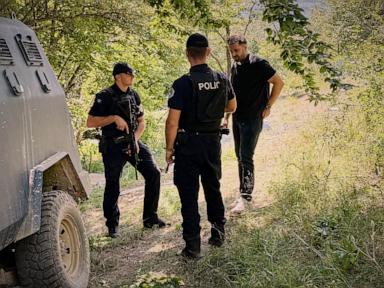
The current operation centers on a remote site in the northern municipality of Zubin Potok. Authorities cordoned off the area after preliminary forensic assessments confirmed that human remains found at the location held serious historical and legal significance.
Prime Minister Albin Kurti and other officials suspect these sites might finally reveal the fate of 23 intellectuals—including doctors, professors, and activists—who vanished on April 19, 1999, in Mitrovica. For families like Erblin Ademi, whose father vanished at age nine, every new excavation brings a heavy mix of terror and hope. You hold your breath. You pray for closure. Then you brace yourself for more heartbreak.
The operation isn't isolated to just one spot. Investigations have quickly widened, with authorities pointing toward second and third potential mass burial locations nearby.
Why Finding the Missing Is So Hard
Uncovering war crimes in the Balkans isn't just about moving dirt. It's a political minefield.
When Kosovo police arrested local Kosovo Serbs on suspicion of war crimes tied to the Kalluder site, the reaction from Belgrade was immediate and furious. Serbia's Office for Kosovo blasted the arrests as political intimidation and revenge. Meanwhile, Kosovo's Interior Minister Xhelal Svecla accused Belgrade of actively sabotaging search efforts and withholding vital archives that could map out these hidden graves.
Distrust runs deep. When institutional cooperation breaks down, families pay the price. Archive records held by military and police forces from the late nineties could end the suffering tomorrow. Instead, political posturing keeps those files locked away.
The Human Cost Behind the Politics
Statistics strip away the horror. Around 13,000 people died during the war that saw ethnic Albanian rebels fight for independence from Serbia, culminating in a 78-day NATO bombing campaign. Among the missing are roughly 1,200 ethnic Albanians, about 400 ethnic Serbs, and dozens of Roma.
Missing persons cases don't belong to a single ethnic group. Grief doesn't care about borders. Until every last person is accounted for, the war isn't truly over. DNA profiling and modern forensic technology help piece together fragments, but finding the primary burial sites remains the hardest hurdle.
If you follow regional politics, keep your eyes on the forensic reports coming out of northern Kosovo. This isn't ancient history. It's an ongoing human rights crisis that demands accountability, transparency, and an end to political obstruction.