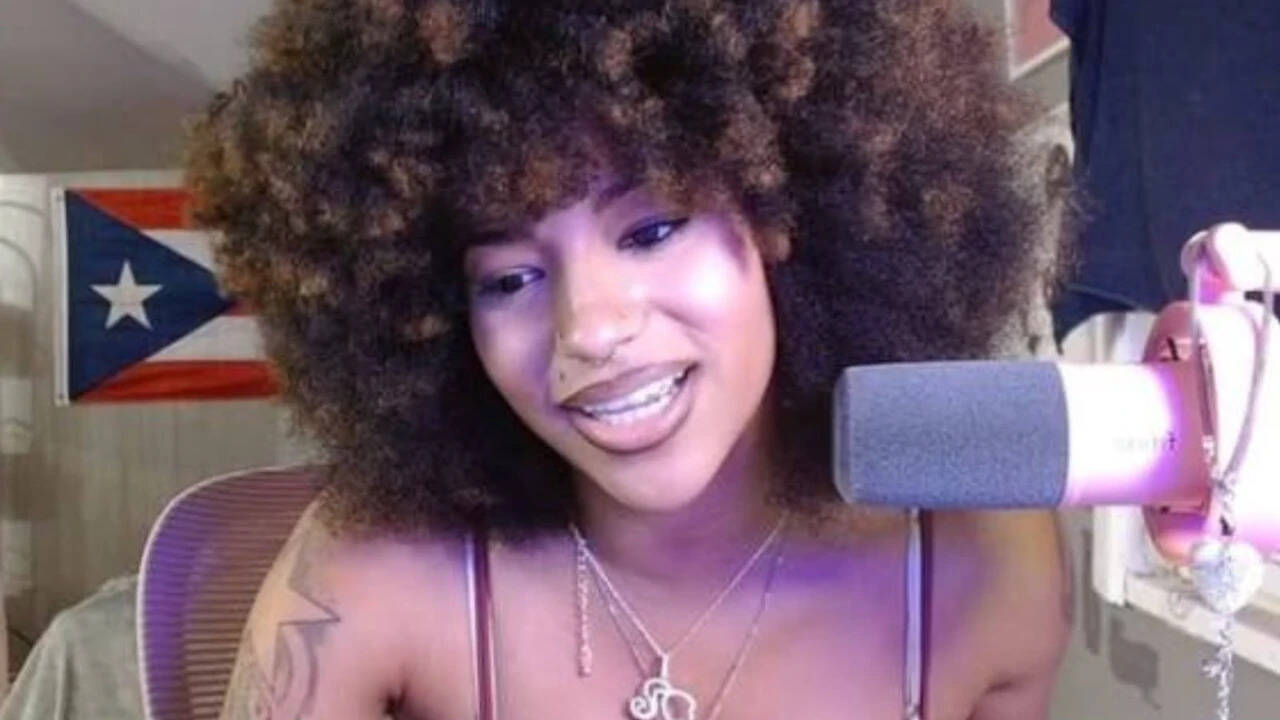
Internet culture moves fast. Accountability moves faster. If you spend any time scrolling through social media feeds, you have likely run into the sudden eruption of anger directed at Kick streamer Nanatty.
A short video clip surfaced online, throwing the Japanese travel creator straight into a massive PR storm. People are angry. Platforms are watching. And the usual cycle of online outrage is spinning out of control. If you liked this post, you might want to check out: this related article.
Let us break down what actually happened, why people are furious, and what this situation reveals about the volatile nature of live broadcasting.
Who is Kick Streamer Nanatty
Before the recent drama, Nanatty built her audience primarily as an "in real life" or IRL creator. She streams travel experiences, walking through foreign streets, interacting with locals, and broadcasting her daily life directly to viewers on Kick. For another perspective on this event, refer to the latest coverage from Reuters.
Unlike creators who sit in a room staring at a monitor all day, IRL streamers live on the highwire. Every interaction is unscripted. Every conversation happens in real time. That lack of a safety net attracts viewers, but it also creates massive risks. When you broadcast your life to thousands of people without a delay, mistakes happen instantly and publicly.
The Viral Clip and the Backlash
The core of the current controversy stems from a brief snippet of footage shared on social media. In the clip, Nanatty is allegedly heard using a severe racial slur during a conversation with another person. Additional posts accused her of making derogatory generalizations about Black people.
The internet reacted immediately. Clips spread across X and other platforms within hours, sparking intense condemnation from viewers and fellow creators.
However, context is worth examining here. The circulating video is heavily compressed and stripped of its surrounding conversation. The full broadcast archive has not been thoroughly independently verified in public forums.
Does a short clip tell the whole story? Rarely. Does it stop the internet from forming an immediate mob? Never.
As of now, Nanatty has not released a formal statement addressing the specific accusations, and her channel remains active on Kick. Platforms move slowly on these decisions until public pressure hits a critical mass or internal safety teams complete a review.
A History of Live Broadcast Incidents
This is not the first time Nanatty has found herself at the center of a public controversy. IRL streaming is a magnet for conflict, and her past broadcasts prove that safety boundaries get crossed frequently.
Back in February 2026, she sparked outrage during a trip to Peru. An argument broke out between Nanatty and an elderly street vendor, leading to harsh online backlash. That incident escalated to the point where she later returned to the location, dropped to her knees, and publicly apologized to the vendor.
A few months later, in June 2026, a different kind of incident occurred while she was broadcasting in Istanbul. Local shopkeepers had to step in after a man allegedly harassed her on camera, resulting in local authorities stepping in and fining the individual.
When you combine unpredictable street encounters with language barriers and cultural friction, disasters become almost inevitable.
The Reality of IRL Streaming Risks
The modern livestreaming ecosystem rewards shock value and constant engagement. Creators feel pressured to keep cameras rolling for hours on end, broadcasting fatigue, frustration, and unfiltered thoughts.
Here is what most casual viewers fail to realize about high-frequency broadcasting:
- Fatigue breeds mistakes: Spending six to ten hours a day talking to a chat while navigating foreign environments drains mental stamina.
- The echo chamber effect: Communities form around specific personalities, sometimes encouraging toxic behavior or pushing creators to cross lines for reactions.
- Lack of moderation: Unlike pre-recorded video, live content leaves zero room for editing out accidental remarks or heated arguments.
Platforms like Kick face ongoing scrutiny regarding their moderation standards. Users constantly demand swift bans for offensive behavior, while creators argue over due process and the dangers of taking clips out of context.
What Happens Next
The digital landscape rarely forgives and rarely forgets. Whether the full context of Nanatty's recent clip will completely change the narrative remains to be seen. Until an official statement drops or full archive footage gets reviewed, speculation will fill the vacuum.
If you watch live content, take a step back before amplifying every out-of-context 10-second clip you see online. Demand clarity, look for primary sources, and remember that live platforms thrive on turning minor friction into major spectacles.