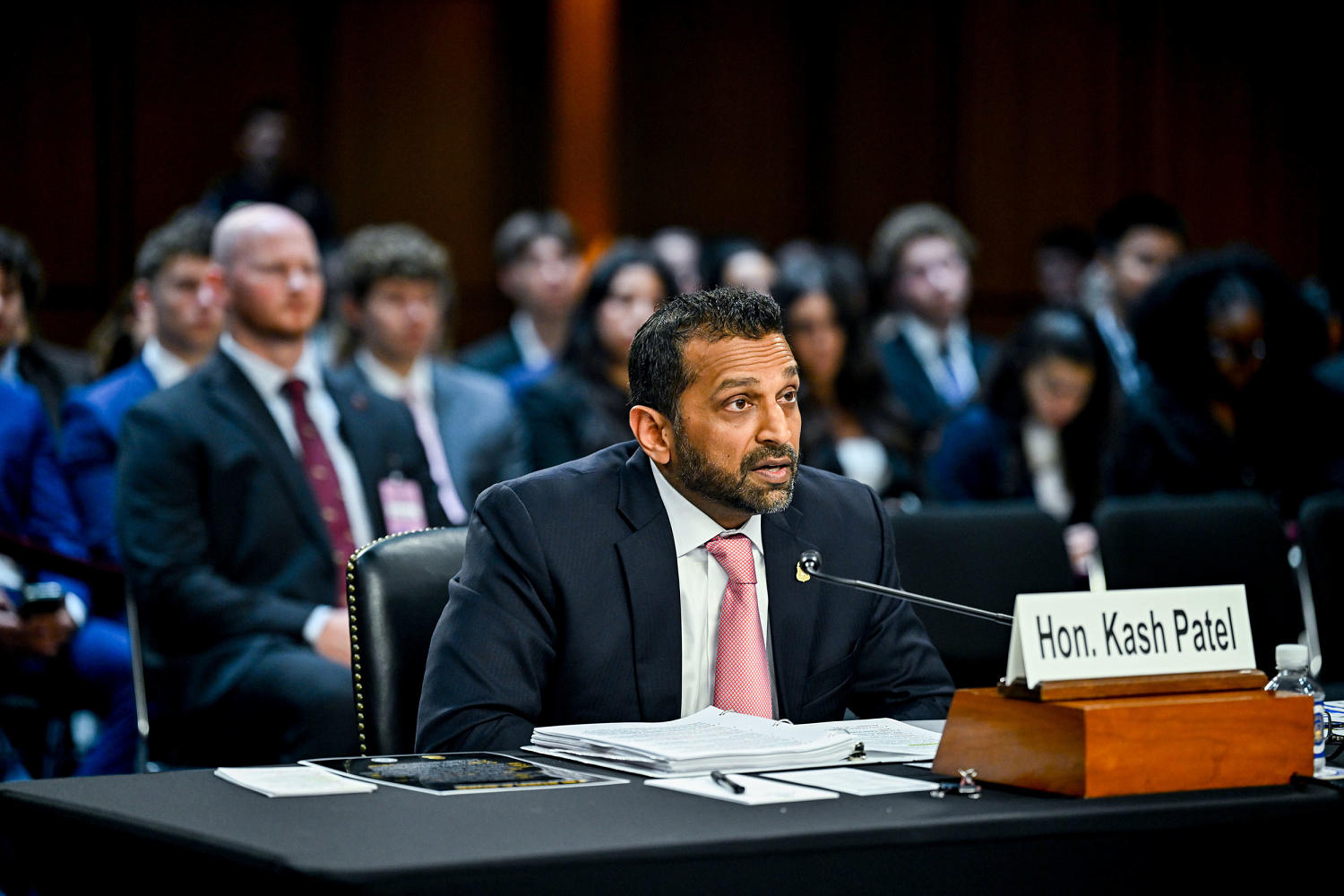
Senators do not usually yell "are you ready to shut up?" across a congressional hearing room, but normal rules stopped applying the moment FBI Director Kash Patel sat down to face the Senate Judiciary Committee.
If you tuned into the five-hour oversight showdown, you didn't just see a routine cross-examination of federal law enforcement. You watched a proxy war over the future of American intelligence, complete with explosive personal insults, heated exchanges over bureau hiring standards, and fiery threats of future congressional investigations.
Let's look at what actually happened behind the political theater and why this specific hearing changes the landscape for Washington oversight.
The Breaking Point on Capitol Hill
The temperature in the room was high from the opening gavel, but things boiled over when Senator Cory Booker launched into a blistering critique of Patel's leadership. Booker exceeded his allotted time and labeled Patel a "thug" and an "incompetent lackey" who wouldn't qualify to be a standard special agent.
Instead of a measured bureaucratic defense, Patel brushed it off with a jab about campaign ads. Meanwhile, Committee Chairman Chuck Grassley intervened with raised voice tension, trying to reel back the chaos.
It was messy television, but it highlighted a deeper reality. Democrats are treating Patel's tenure as an active partisan takeover of the bureau. They grilled him extensively on staffing departures, the handling of sensitive investigations into political figures, and whether FBI assets are being deployed to influence upcoming elections.
The Controversy Over New FBI Hiring Policies
Beyond the shouting matches, lawmakers zeroed in on a concrete policy shift that raised eyebrows on both sides of the aisle: recent changes to FBI recruitment standards.
Reports surfaced showing that the bureau adjusted rules to remove certain past behaviors—including historical instances of prostitution or childhood involvement in animal cruelty—from acting as immediate, rigid automatic disqualifiers.
Patel defended the move by explaining that the adjustment protects human trafficking victims. He noted that individuals forced into degrading situations under duress shouldn't face a lifetime ban from serving their country if circumstances warrant a case-by-case review.
Even so, senators like John Kennedy pushed back hard, demanding absolute clarity on where the agency draws the line for applicant conduct. The debate exposed a wider friction point: how leadership is reshaping internal agency culture while trying to project institutional stability.
Threats of Future Probes and Retaliation
The most consequential takeaway from the hearing isn't going to make the evening comedy shows, but it will dominate Washington for the next two years.
Senator Adam Schiff explicitly warned Patel that a future Democratic-led Congress plans to launch sweeping investigations into the bureau's recent personnel purges. Lawmakers are zeroing in on the removal or resignation of hundreds of career staff, particularly those linked to high-profile past probes involving the Capitol riots and classified documents.
Patel stood his ground, pointing to statistical crime reductions and major international events handled safely under his watch as proof that the bureau is performing at a historic level.
Watch how these committee threats materialize into formal subpoenas over the coming months. The battle lines for the Justice Department budget and oversight are fully drawn, and neither side is blinking.
Kash Patel's Most Heated Moments From the FBI Oversight Hearing
This video provides a first-hand look at the tense exchanges and explosive verbal confrontations between FBI Director Kash Patel and lawmakers during the Senate Judiciary Committee hearing.
http://googleusercontent.com/youtube_content/1