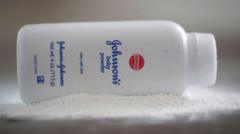
After more than a decade of courtroom brawls, bankruptcies, and billions handed out in verdicts, Johnson & Johnson wants out. The healthcare giant just dropped a $5.5 billion offer on the table to settle roughly 69,000 lawsuits claiming its iconic baby powder causes ovarian cancer.
If you have watched this corporate drama unfold, you know this is a massive shift. J&J spent years trying to push these claims through shell company bankruptcies, only to watch judges reject those moves time and time again. Now, they are trying a direct buyout approach. But does this signal an admission of guilt, or is it just a very expensive strategy to clean the slate? Let's break down what this massive settlement actually means for the company, the plaintiffs, and anyone still wondering if that iconic white bottle is safe.
The Reality Behind The $5.5 Billion Price Tag
Let's get straight to the numbers. The $5.5 billion deal covers about 99.75% of the remaining ovarian cancer claims consolidated in federal and state courts. To make it final, 95% of the claimants represented by participating law firms have to accept the terms.
J&J's vice president of litigation, Erik Haas, didn't mince words when announcing the move. He called the claims meritless and insisted the company could have won more individual trials. Yet, they chose to write a check anyway. Why? Because endless litigation drains resources, distracts leadership, and tanks public trust.
Payments are expected to kick off heavily around 2027, with the total bill possibly climbing past expectations depending on how many claimants sign on the dotted line.
Why J&J Changed Tactics Now
For years, the playbook was simple. Fight every single case, deny any link to asbestos or cancer, and lean on previous trial victories. They even pulled talc-based baby powder from North American shelves in 2020, replacing it with cornstarch variants, before taking the rollout global by 2023.
Things shifted recently inside the federal Multi-District Litigation court. A federal judge cast serious doubt on whether plaintiffs could definitively prove specific causation—meaning whether talc specifically caused an individual's ovarian cancer. Faced with tougher hurdles on scientific evidence, plaintiffs' counsel weighed their options. Instead of dragging out appeals for another five years, both sides found common ground in a negotiated payout.
It is worth noting that this settlement specifically targets ovarian cancer claims. It leaves behind separate mesothelioma cases, which have historically resulted in some of the most brutal jury verdicts for the company—including massive payouts handed down by juries in late 2025.
What This Means If You Are Following The Case
If you are a consumer or an investor, you are probably wondering what happens next.
- The 95% Hurdle: This deal isn't a done deal yet. If plaintiffs' firms can't rally 95% agreement, the whole thing falls apart and everyone heads right back to court.
- Future Claims Aren't Covered: This is a cleanup job for past actions, not a shield against future lawsuits.
- The Brand Evolution: J&J wants to pivot entirely toward pharmaceuticals and advanced medical devices. Carrying tens of thousands of talc lawsuits was a heavy anchor on that corporate identity.
This massive financial settlement proves that even corporations with endless legal budgets eventually decide that buying peace is cheaper than buying a defense. Time will tell if the claimants agree.