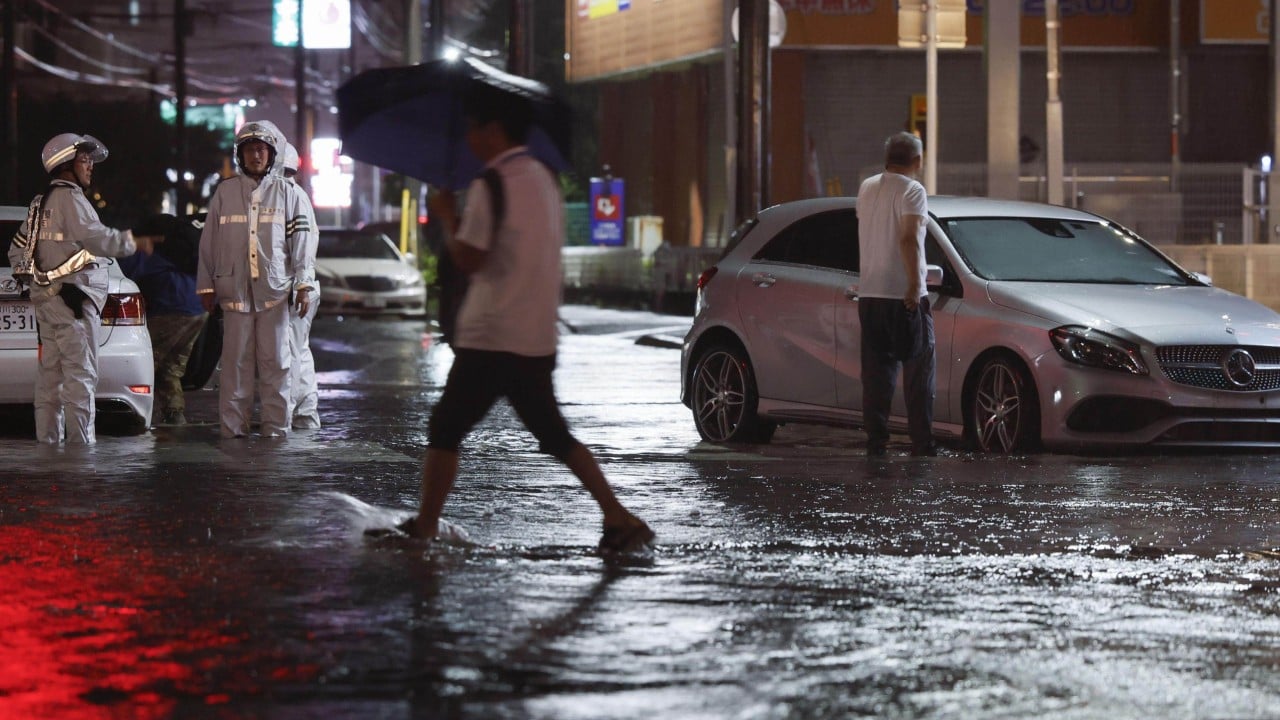
Record-breaking torrential rain slammed Japan's Chiba Prefecture, dumping over 360mm of rain in 24 hours and turning the main arteries to Narita International Airport into impassable rivers. For Hong Kong travelers trying to fly home, it meant an instant nightmare of gridlocked highways, suspended trains, and a frantic scramble for survival. Around 7,000 people found themselves stranded overnight inside the airport terminals, while others spent hours trapped in taxis or ride-hails on flooded backroads.
If you are planning a trip to Tokyo anytime soon, you need to understand how quickly weather emergencies can isolate Narita Airport and what you can actually do when the infrastructure completely breaks down.
The Reality of Narita Isolation
Narita isn't right next to Tokyo. It sits miles away in Chiba prefecture. That distance is fine when the Narita Express or the Keisei Skyliner is running smoothly. It becomes a massive trap when extreme weather hits.
When more than three times the usual August rainfall triggers a maximum level 5 emergency warning, the transit links vanish. Trains stopped dead on flooded tracks. Highway lanes closed due to deep water. Local hotels booked out instantly, leaving travelers with zero comfortable options.
Tour groups from Hong Kong managed by major agencies like EGL Tours had to completely overhaul their exit strategies. Executive director Steve Huen pointed out that groups had to abandon normal routes and navigate winding detours, forcing them to leave for the airport hours earlier than standard schedules dictate.
The High Cost of Desperation
When public transport shuts down completely, panic sets in. Some independent travelers made a high-stakes gamble to catch evening flights by booking ride-hailing services like Uber.
That decision came with a brutal price tag. Travelers ended up stuck in four-hour gridlocks on waterlogged backroads. Surge pricing combined with crawl speeds meant astronomical fares that local online forums joked could rival the price of a brand-new airline ticket. Even with those desperate measures, many still missed their departures and had to turn around—if they could find a driver willing to brave the storm.
Meanwhile, major carriers like Cathay Pacific responded by offering fee waivers for rebooking and rerouting, giving passengers trapped on the ground some financial breathing room once flights resumed normal operations. But waivers don't solve the immediate problem of being stuck miles away from your gate with dead phone batteries and closed station doors.
How to Protect Your Next Trip
You can't control Japanese typhoons or record-shattering downpours. You can, however, stop relying on assumptions that high-tech transit systems never fail.
- Stay closer to the airport on departure eve: If you have an early flight out of Narita, stop booking your final night in central Tokyo or Shinjuku. Move your base to Narita city or a hotel immediately adjacent to the terminal. It cuts out the vulnerability of a 60-mile transit commute during a storm.
- Monitor local warning levels closely: Japan's meteorological agency doesn't issue level 5 alerts for fun. The moment a severe weather warning drops, check your airline app and transit channels immediately. Do not wait until you are already heading to the station.
- Understand airline flexibility limits: While airlines like Cathay Pacific often waive ticket change fees during major weather events, you will still absorb fare and tax differences if you change your destination or peak dates. Keep emergency cash or a flexible credit card on hand for sudden hotel bookings.
Weather disruptions in Japan are becoming sharper and more intense. Build contingency time into every single itinerary you make.