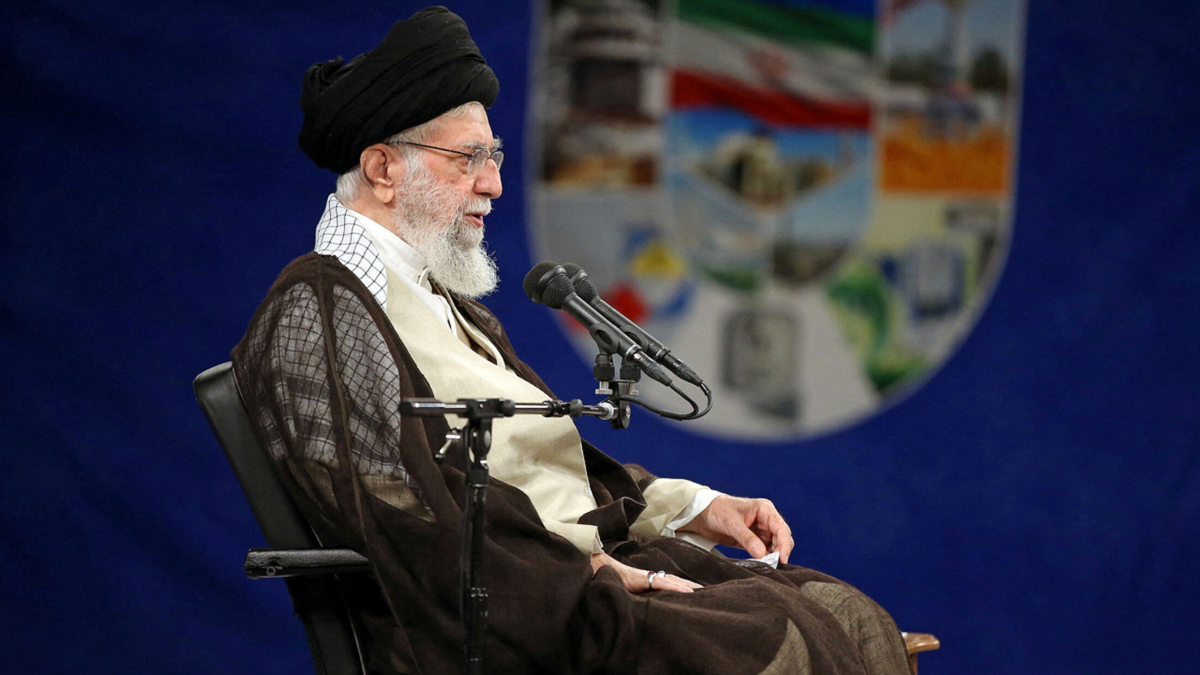
Geopolitics in the Middle East rarely stands still. When a new message drops from Tehran, capitals across the Gulf pay attention. Iran's Supreme Leader Ayatollah Mojtaba Khamenei recently issued a written statement targeting Gulf Arab rulers with a blunt demand: identify your real enemy and stop playing into outside hands.
The statement, published for Islamic Unity Week and marking the birthday of Prophet Muhammad, cuts straight through standard diplomatic pleasantries. Khamenei has stayed out of the public eye for six months following the severe injuries he sustained during US-Israeli airstrikes. Yet, his voice remains a central force guiding Tehran's strategic positioning amid a punishing regional conflict.
The Message Behind the Call for Unity
What does Tehran actually want from its wealthy, energy-exporting neighbors? For decades, Gulf monarchies—including Saudi Arabia and the UAE—treated Iran's revolutionary ideology as an existential threat. They aligned heavily with Washington and watched closely as regional proxy conflicts played out.
Now, Tehran is turning the argument around. Khamenei's letter asks a direct question: would Palestinians have been left so helpless, and would foreign powers have carved up regional influence, if Muslim nations had locked arms under a unified stance?
He warned that anyone creating divisions—knowingly or not—serves the interests of outside adversaries. It’s an appeal wrapped in religious solidarity, but driven by raw self-preservation. Tehran wants to break the US-led security architecture that keeps Gulf states tethered to Western military bases.
The Timing Matters
This public appeal isn't happening in a vacuum. It comes right as regional diplomacy shifts gears. Iranian Foreign Minister Abbas Araghchi has been pushing hard for backdoor talks and regional solutions, meeting with officials from Oman, Pakistan, and Qatar.
At the same time, regional security dynamics are shifting. Sunni Muslim powers like Turkey, Saudi Arabia, and Pakistan recently signed the Mecca Joint Defense Agreement. This pact treats an attack on one as an attack on all, operating much like a local version of NATO's collective defense clause. They are building their own defenses against both Israeli military actions and Iranian missile fire.
Tehran sees these independent alignments as a vulnerability that external powers exploit. By calling out a "real enemy"—pointing squarely at Washington and Israel—Iran hopes to peel Gulf states away from Western defense dependencies.
What Comes Next for Gulf Security
Gulf rulers face a delicate balancing act. On one side, they deal with ongoing regional instability, infrastructure threats, and energy market jitters. On the other side, they maintain decades-old security umbrellas with the United States.
Calls for unity from Tehran sound appealing on paper, but deep-seated distrust won't vanish overnight. Past strikes on regional oil facilities and military sites left lasting scars. Still, as diplomatic channels reopen and regional leaders look for ways to de-escalate, messages like Khamenei's force every capital in West Asia to recalculate its next move.
Watch how Gulf capitals respond to these overtures over the coming weeks. The real test won't be found in public telegram statements, but in whether backdoor diplomacy actually alters regional security pacts.
Iran's Khamenei Urges Gulf Leaders To Identify The 'Real Enemy'
This video provides additional context and news coverage regarding Iran's Supreme Leader Mojtaba Khamenei's recent written message to Gulf rulers.
http://googleusercontent.com/youtube_content/1