The Shift in Tehran
Iran wants a deal. Honestly, it sounds shocking given years of high-stakes hostility, proxy wars, and broken pacts. But geopolitical pressure changes everything. If you look closely at the Middle East right now, Tehran isn't negotiating from a position of unchecked strength. They're feeling the squeeze.
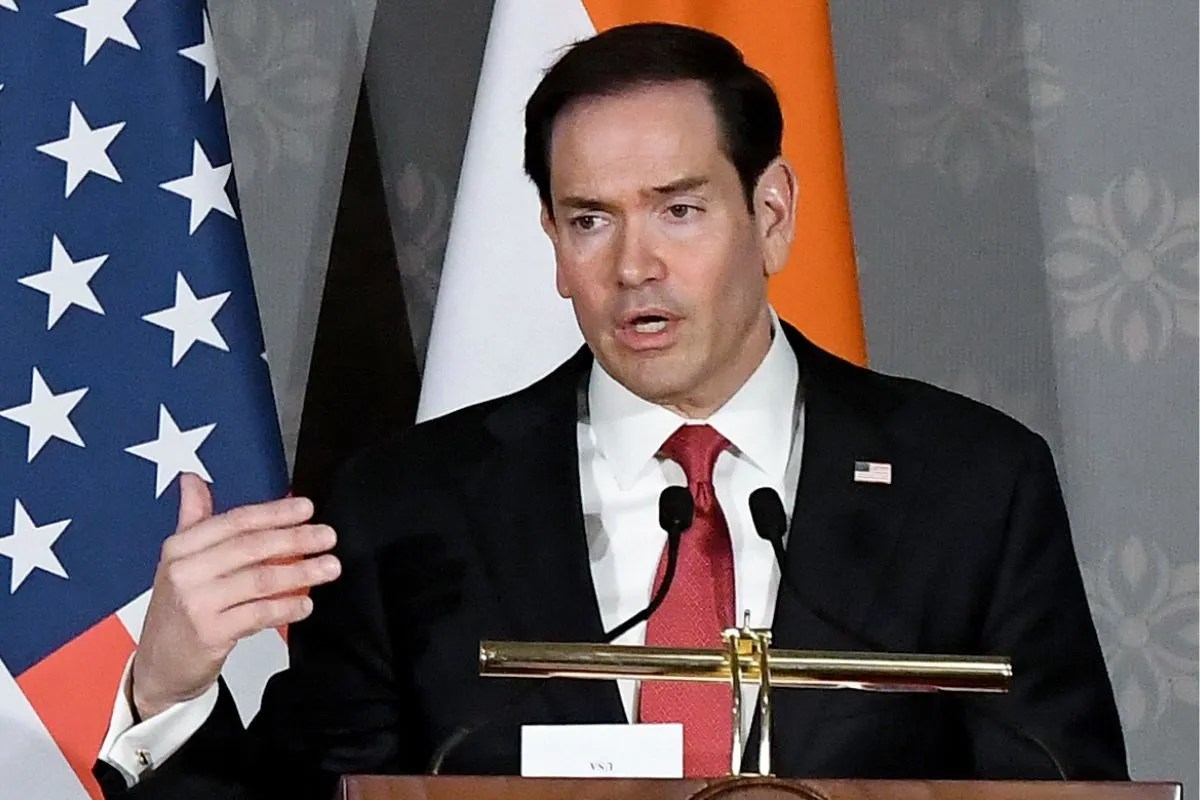
Donald Trump's return to the White House brought a specific brand of unpredictable economic and diplomatic weight back to Washington. Instead of playing diplomatic games, the administration cranked up the pressure. Marco Rubio, handling major foreign policy levers, stepped into a role where traditional Middle Eastern diplomacy got a harsh reality check. Tehran knows the playbook changed. They realize stalling doesn't work anymore.
Inside the Washington Strategy
Let's look at how this pressure actually built up. It wasn't just a random tweet or a passing threat. The strategy relies on maximum economic isolation combined with military deterrence. When Trump and Rubio coordinate policy, foreign actors understand that lines drawn in the sand actually matter.
Iran's economy is bleeding. Sanctions bite hard when enforcement leaves no loopholes. Tehran's leadership watched their currency lose massive value while domestic unrest bubbled right beneath the surface. When you're dealing with hyperinflation and crumbling infrastructure, ideological posturing gets expensive very quickly.
- Maximum economic pressure starving state-funded proxy networks.
- Unpredictable timelines that keep foreign ministries guessing.
- Direct alignment between Washington heavyweights on cutting off oil revenue streams.
You have to ask yourself what Tehran expects to salvage. They need relief from sanctions desperately. Without structural financial lifelines, internal stability risks collapsing completely.
The Rubio Factor
Marco Rubio brings a hardline ideological clarity to the table that leaves very little room for diplomatic ambiguity. He's spent years warning about the dangers of a nuclear Iran and the destabilizing footprint of their regional proxies. When someone with that track record takes the lead on negotiations, the message sent to the Iranian regime is direct.
There's no patience for endless talks that go nowhere. Rubio's approach combines strict oversight with a clear ultimatum. Comply or face deeper isolation. Iran's leadership understands that negotiating with this team means actual concessions, not just temporary delays to buy time for uranium enrichment.
People always miss the psychological element in modern geopolitics. Leaders respond to perceived threat levels. If Tehran thinks a administration is weak, they stall. If they know the cost of defiance is immediate economic ruin, they adjust their calculus overnight.
What Comes Next for the Region
Don't expect a sudden, magical peace treaty that fixes decades of deep-seated animosity. That's not how the real world works. Geopolitics is messy, transactional, and cynical. What we're seeing right now is a forced march to the negotiating table.
Iran's willingness to talk signals desperation wrapped in diplomatic language. They want a way out of the economic trap. Washington wants a verifiable halt to regional aggression and nuclear advancement.
Watch the oil markets and watch the backchannel talks closely. When the official statements sound unusually cooperative, it usually means the pressure behind closed doors just reached a boiling point. The real test is whether Tehran will actually give up the assets Washington demands, or if this is just another tactical pause before the next crisis erupts.