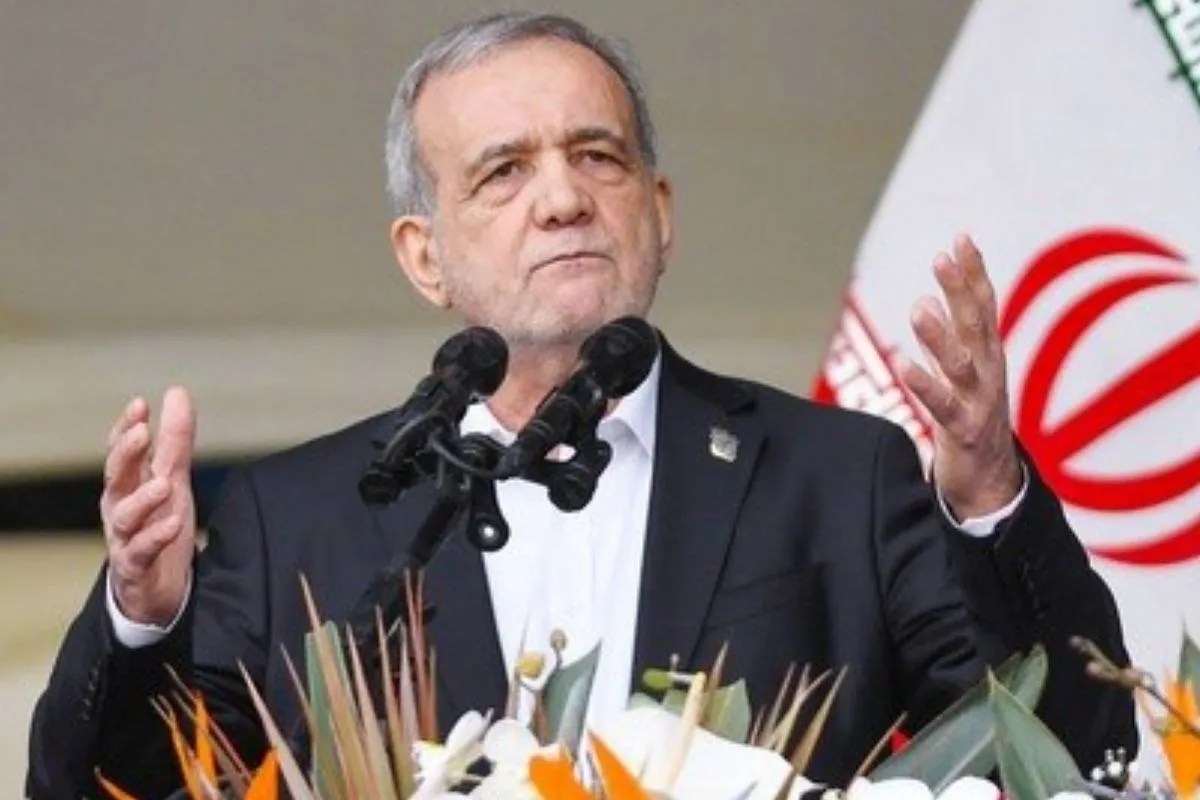
Geopolitical chess matches rarely end with quiet handshakes. When Iranian President Masoud Pezeshkian stood before a crowd in Tehran to talk about the recent diplomatic developments with Washington, he didn't mince words. He claimed that an understanding with the United States effectively ties the hands of adversaries who thrive on chaos. If you've been watching the Middle East stumble from one crisis to another over the past few years, you know how bold that sounds.
Let's look past the political posturing. The reality on the ground in the Middle East is messy, volatile, and deeply interconnected. When US and Israeli strikes hit targets across Iran back on February 28, global markets panicked. Oil prices surged. Shipping lanes through the Strait of Hormuz turned into high-risk zones. The temporary memorandum of understanding signed on June 18 was supposed to cool things down by setting a 60-day window for serious dialogue. That deadline came and went in mid-August without a neat bow tied around the negotiations. In related updates, we also covered: Why The Nepal Flood Bank Locker Loot Story Reveals A Darker Side Of Disaster.
So why is Pezeshkian pushing this narrative now?
The Real Motivations Behind Tehran's Stance
Domestic pressure inside Iran is intense. Economic sanctions have squeezed everyday citizens, and leadership needs a win. By framing recent diplomatic channels as a path toward regional stability, Pezeshkian is trying to project strength and long-term vision. He argues that Tehran never started a war and won't back down from self-defense, but peace remains the preferred economic escape hatch. USA.gov has provided coverage on this fascinating issue in great detail.
At the same time, regional security isn't just about treaties signed on paper. Consider what's happening away from the negotiating tables. The Islamic Revolutionary Guard Corps recently moved against a suspected militant cell tied to foreign intelligence in the southeastern province of Sistan and Baluchestan, resulting in casualties and arrests. Internal security threats constantly challenge Tehran's narrative of absolute control.
Foreign Minister Seyed Abbas Araghchi has also pointed out the obvious: external actors continue to manipulate energy markets for political leverage. When global energy supplies hang by a thread every time diplomatic talks stall, nobody wins.
What Most Analysts Miss About the US-Iran Dynamic
People love to look at international relations as a Hollywood movie where countries are either total heroes or total villains. Reality is much more cynical. The ongoing friction isn't just about ideology; it's about control over strategic trade routes, nuclear compliance monitored by bodies like the IAEA, and regional influence stretching from Lebanon to the Persian Gulf.
When a peace agreement gets floated, it usually comes with a mountain of hidden asterisks. Israel remains deeply skeptical of any deal that leaves Iran's nuclear infrastructure intact or allows proxy networks to rearm. Washington faces fierce bipartisan pressure domestically whenever it tries to ease up on Tehran. Pezeshkian's optimistic public statements are partly designed to put pressure on Western capitals, forcing them to choose between ongoing regional escalation or a stabilized diplomatic framework.
If you are trying to figure out where the Middle East heads next, stop waiting for a permanent treaty. Look at the logistical realities. Watch the Strait of Hormuz. Track how enforcement agencies handle domestic insurgencies and intelligence operations. Treaties matter, but real security depends entirely on whether these fragile ceasefires can survive the next unexpected flashpoint. Stop looking for simple answers in a region built on permanent friction.