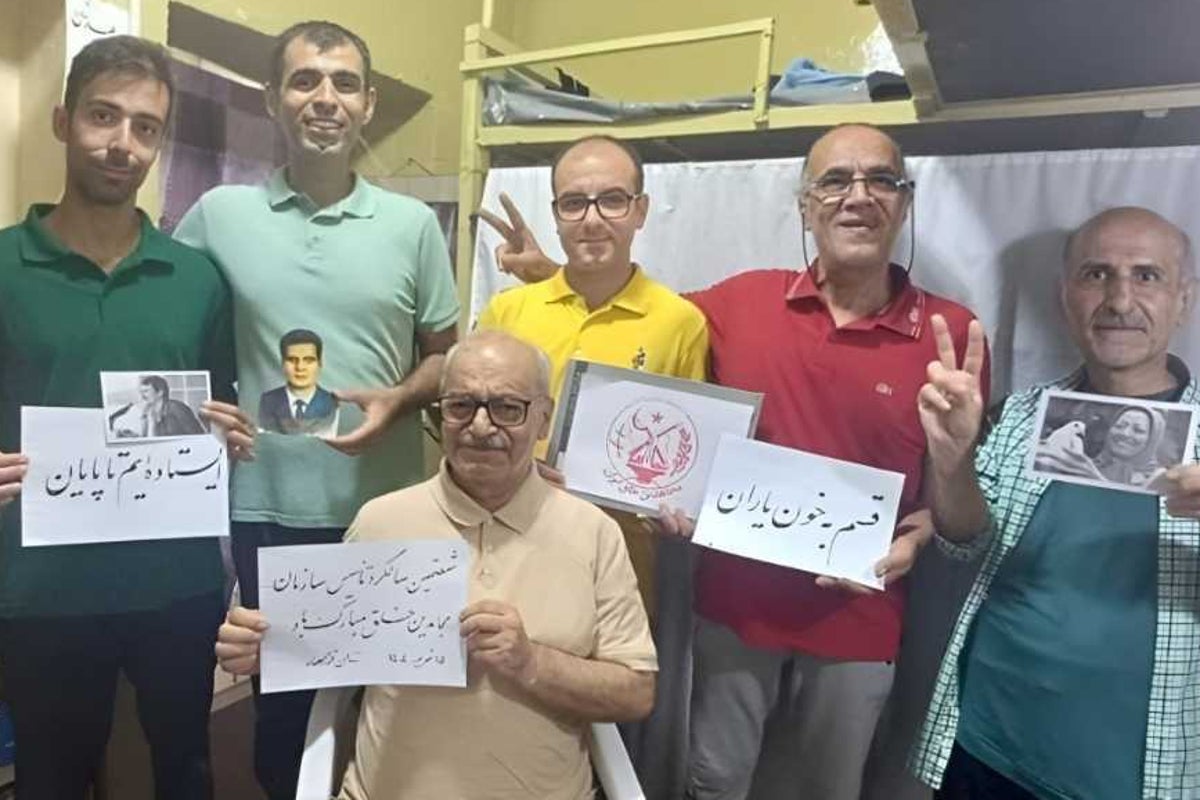
When bombs fall on a nation, the darkest work happens away from the explosions. Inside Iran's notorious detention system, political dissidents are facing a terrifying reality. While international media fixates on geopolitical strikes and military confrontations, Tehran is quietly fast-tracking executions. A political prisoner recently managed to smuggle out a raw, desperate message to the outside world. Do not let us become collateral damage of a distant war.
If you're wondering how the regime gets away with this, the answer is simple. War provides cover. When global capitals focus entirely on military maneuvers and aerial strikes, domestic crackdowns accelerate out of sight. The Iranian government treats political dissent as an existential threat, and active conflicts give them the perfect smoke screen to eliminate opposition figures without drawing heavy international retaliation.
The Grim Reality Behind Prison Walls
Life inside facilities housing Iranian death row inmates is designed to break human beings long before the executioner arrives. Former and current detainees, along with underground networks smuggling information past strict censors, paint a harrowing picture of daily existence.
Extreme weather and structural neglect form the first line of abuse. Summer temperatures routinely soar past 40 degrees Celsius, yet prison authorities deliberately turn cooling units down to push hot desert air through the crowded wards. Basic medical care is nonexistent. Skin conditions like scabies run rampant, bedbugs infest every corner, and proper nutrition is a luxury of the past. Portions are purposely kept minuscule to maintain a constant state of physical weakness.
Worse still, authorities deliberately mix political dissidents with violent criminals. It is a psychological torture tactic. By throwing ideological opponents into chaotic, dangerous common wards, the administration creates constant friction and terror. Meanwhile, prison officials reportedly generate personal income by running drug-distribution networks through secure prison corridors, prioritizing financial exploitation and cruelty over basic human rights.
How Regional Conflict Fuels Internal Repression
Many casual observers assume that external military pressure weakens authoritarian governments. On the ground, the exact opposite often happens.
When the United States and Israel engage in active conflict with Tehran, the Iranian leadership uses the national security crisis to justify total domestic lockdown. Protests are categorized as treason. Any hint of civil disobedience is met with immediate transfers to solitary confinement or direct placement on death row.
Human rights monitors note a staggering spike in state-sanctioned killings. Organizations like Iran Human Rights have documented hundreds of executions this year alone, targeting individuals linked to massive domestic uprisings. When tens of thousands of citizens took to the streets to demand systemic change, the state responded with overwhelming force, killing thousands and sending survivors through sham trials that completely ignore international fair-trial guarantees.
Dissidents who belong to opposition groups like the People's Mujahideen Organisation of Iran bear the brunt of this cruelty. Arrested merely for expressing political views or supporting alternative democratic leadership models, these prisoners face final sentences handed down by revolutionary courts where due process does not exist.
What the International Community Keeps Missing
Foreign policy debates often miss the human cost happening deep inside local penitentiaries. Leaders call for uprisings from afar, urging citizens to take to the streets against heavily armed security forces. Yet those same leaders rarely offer concrete protection for the dissidents who answer the call and end up trapped in the system.
When activists on the inside smuggle warnings out to journalists, they aren't asking for empty rhetoric. They want diplomatic pressure scaled up to maximum levels. They want foreign governments to stop treating human rights violations as secondary background noise to military negotiations.
The strategy required to change this dynamic demands more than symbolic condemnation. Nations must halt diplomatic normalization, impose severe targeted sanctions on prison officials running these torture facilities, and demand unhindered international access to domestic jails.
Silence equals complicity. As long as the world looks only at the sky, the true victims of this crisis are quietly silenced on the concrete floors below. Break the silence before it is too late.