The Persian Gulf is currently the most dangerous neighborhood on Earth. Tensions between Tehran and Washington have moved past the "threat" stage and into an active, six-month-long conflict. As the war drags on, Iran is turning its attention to its neighbors, issuing a blunt warning to Gulf nations: stop helping the U.S. military, or consider yourself a target.
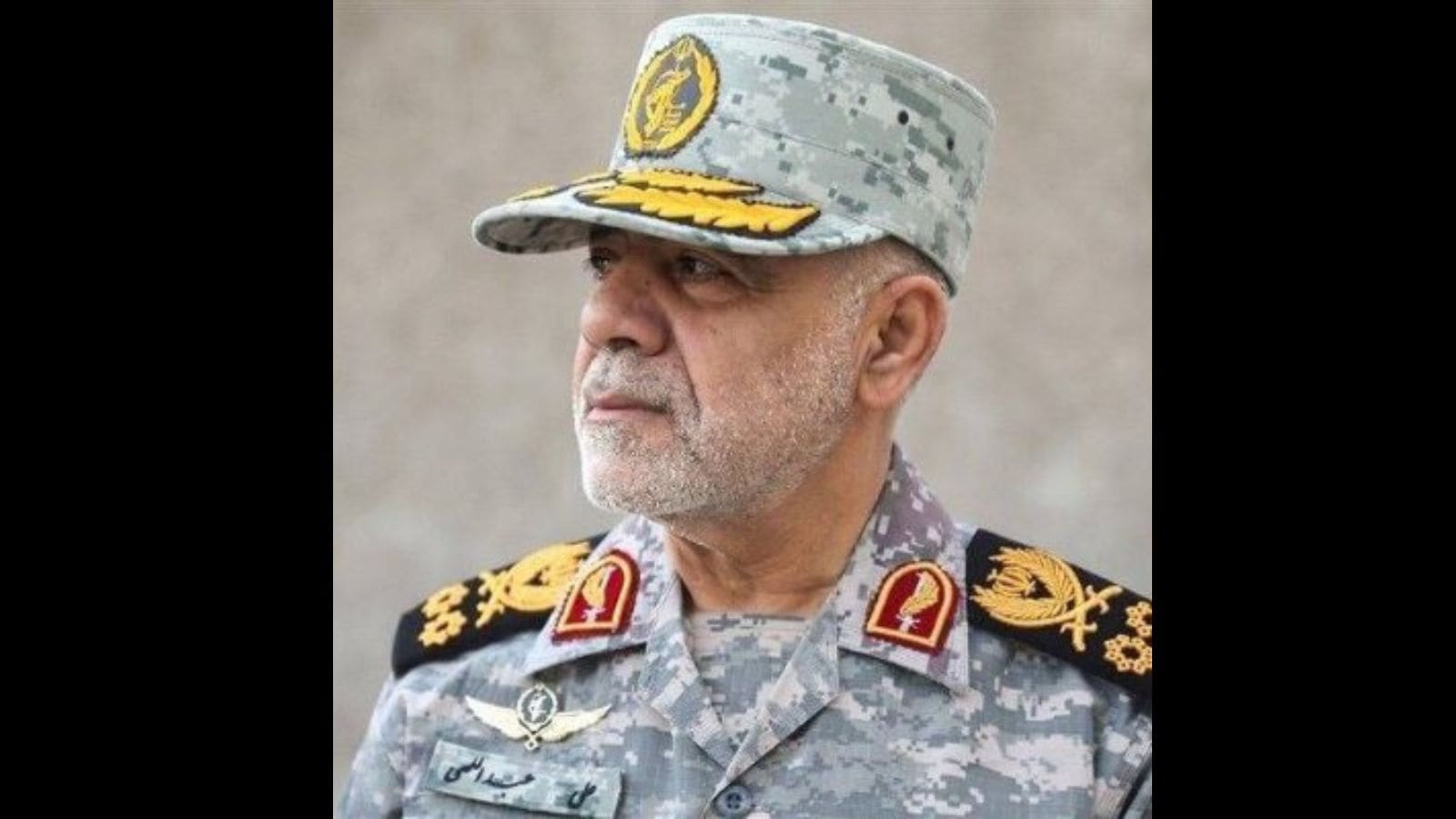
This isn't just diplomatic noise. When Major General Ali Abdollahi, the head of Iran's armed forces, tells regional powers that "nothing escapes our watchful eyes," he's signaling that the ground rules for neutrality in the region have effectively evaporated.
Understanding the Iranian position
Tehran’s logic is simple, even if it’s dangerous. They view any logistical support provided to the American military—whether it’s landing rights, intelligence sharing, or, most critically, aerial refueling infrastructure—as direct participation in the war.
For Iran, the presence of U.S. tanker aircraft at regional bases is the smoking gun. These planes are the backbone of any sustained air campaign. Without them, U.S. strike capabilities against the Iranian interior would be severely restricted. By publicly calling out the presence of these tankers, Tehran is trying to force host nations to choose a side. They are essentially telling the Gulf states that they can no longer claim to be "neutral" while simultaneously acting as a gas station for the U.S. Air Force.
Why the Gulf states are in a bind
Most Gulf nations have been walking a tightrope since the conflict began back in February 2026. They want the protection offered by the American security umbrella, but they don't want to become a battleground for a war that could devastate their economies and infrastructure.
Many of these governments have issued public statements insisting they will not allow their territory to be used for offensive operations against Iran. Tehran’s latest warning is a direct challenge to those claims. It’s a message that says, "We know what you’re doing behind closed doors."
The pressure is mounting. The United Arab Emirates, for example, recently suspended trade and financial dealings with Iran. This move, combined with warnings of incoming missile threats, shows just how fragile the situation has become. When regional powers start cutting economic ties, it’s usually a sign that they are bracing for a wider escalation.
The military reality on the ground
Military planners have always known that regional access is the secret ingredient to U.S. dominance in the Middle East. If you take away the ability to use local airfields and refueling hubs, the logistics of a war become a nightmare.
The recent redeployment of the USS George Washington to relieve the USS Abraham Lincoln serves as a reminder that Washington is in this for the long haul. The U.S. military presence isn't shrinking; it’s being sustained. For Iran, this means they have to find ways to make the "cost of hosting" prohibitive for their neighbors.
What happens next
Expect the rhetoric to intensify before it gets better. Iran is betting that by threatening its neighbors, it can create a wedge between these Gulf states and the White House. If they can convince even one or two major regional players to tighten restrictions on U.S. operations, they will have achieved a massive strategic win.
However, the Gulf states are caught in a classic security dilemma. If they bow to Iranian pressure and expel U.S. assets, they lose their primary defense against Iranian aggression. If they keep the Americans, they remain prime targets for retaliatory strikes.
There is no easy exit from this situation. We are watching a high-stakes game of regional intimidation that is happening in real-time. The reality is that for the Gulf states, there are no "good" options right now. They are being forced to navigate a conflict that could easily consume their local stability if the wrong decision is made regarding U.S. military cooperation. Watch the movement of refueling assets and the diplomatic tone of Gulf foreign ministries over the next few weeks; those will be the true indicators of who is bending to the pressure and who is standing firm.