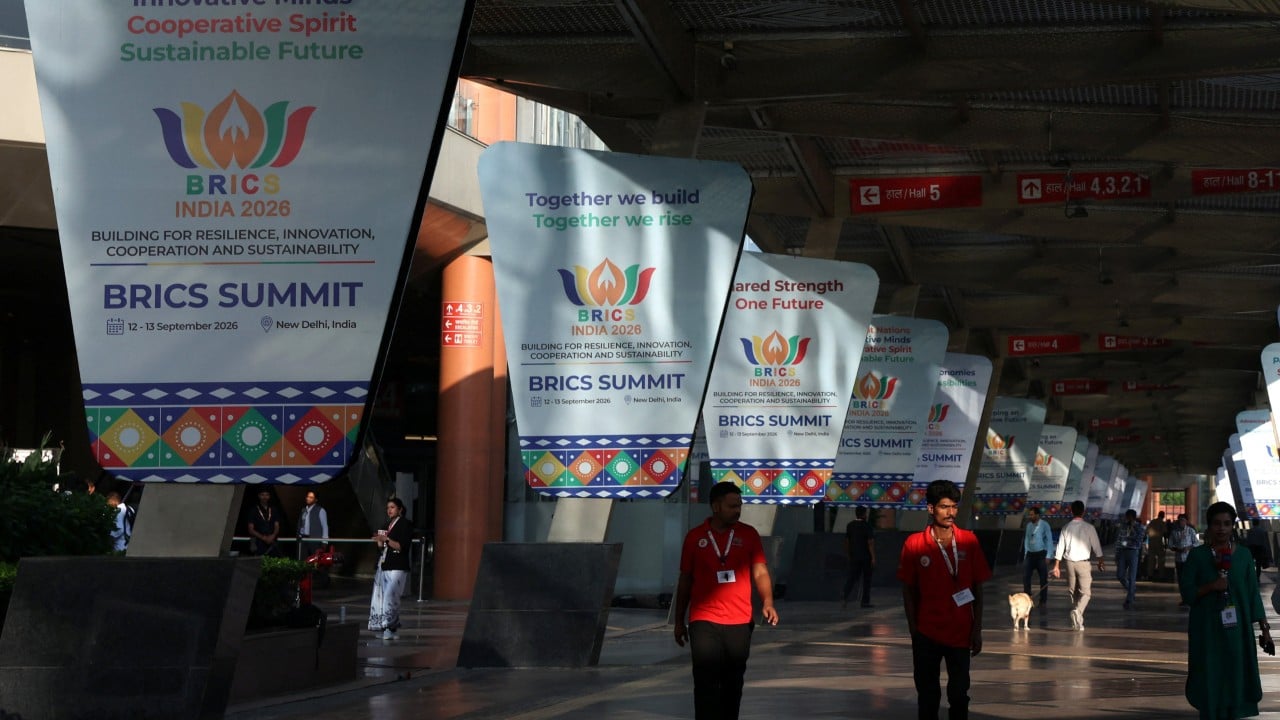
There are two distinct cities living inside the Indian capital, and they only ever truly collide when global dignitaries fly in for a summit. You see it on weekends when high-stakes diplomacy rolls into town. One Delhi is built on daily survival, dust, and unending traffic noise. The other Delhi gets dressed up with manicured lawns, pristine asphalt, and multi-million-dollar security cordons when the world comes to dinner.
If you want to understand modern India, you have to look past the red carpets. You have to look at how a megacity transforms overnight to host global power brokers. Let us look at the reality behind these high-profile diplomatic weekends and what they reveal about urban inequality and international posturing.
The Mirage of the Polished Capital
When major international gatherings hit Delhi, municipal authorities work in overdrive. Potholes vanish in hours. Walls get fresh coats of paint. Stray animals disappear from high-profile routes. Billboards featuring national achievements replace the grey dust of construction sites.
It is a theatrical production. Governments everywhere do it. Yet, the contrast in Delhi hits differently because of the sheer scale of the divide.
Behind the barricades of the diplomatic enclaves, ordinary neighborhoods keep moving at their own chaotic rhythm. Street vendors dodge municipal sweeps just blocks away from where motorcades carry heads of state to five-star gala dinners. You cannot hide structural poverty with potted plants and temporary metal fencing, though cities try every single time a summit comes around.
Why Global Summits Change Local Realities
Hosting world leaders is supposed to project soft power and economic might. For Delhi, these events accelerate infrastructural upgrades that might otherwise take decades. Roads get widened. Metro lines expand. Digital surveillance grids tighten.
Citizens living through the disruption often feel a mix of pride and profound frustration. They deal with massive traffic lockouts, choked commuting routes, and severe restrictions on movement, all so foreign delegations can enjoy expedited transit from the airport to the venue.
It raises a simple question. Who is the city actually built for during these weeks? The residents who pay taxes and breathe the smog every day, or the visiting motorcades that vanish the moment the final photo-op wraps up?
The Media Circus versus Ground Truths
International media coverage during these weekends tends to lean heavily on clichés. Commentators talk endlessly about ancient traditions meeting modern ambitions. They focus on handshakes, traditional scarves, and grand declarations on global trade or climate goals.
They often miss the human cost of the cleanup. Informal workers lose days of wages because authorities shut down marketplaces along summit routes. Small businesses take a financial hit when police declare entire zones off-limits.
Diplomacy is messy, but urban displacement during high-level visits is rarely discussed in the official communiques. The glittering banquet tables shown on evening news broadcasts do not show the thousands of daily wage earners who walked miles home because public transit lines were suspended for security.
What Happens When the Lights Go Out
The real test of any international summit is not how good the city looks on television. It is what stays behind after the private jets take off on Sunday evening.
Once the foreign ministers and security details leave, the temporary paint starts to fade. The potted plants get moved. The traffic returns with a vengeance. But the expanded infrastructure stays. The political alignments forged over closed-door meetings dictate supply chains, defense pacts, and regional stability for months afterward.
You cannot separate the glitter from the grit. Delhi remains a city of sharp contradictions, holding space for both crushing poverty and immense geopolitical ambition. Next time you watch world leaders toast to bilateral cooperation on your screen, remember the other city waiting just beyond the velvet ropes.

/268075-003-58b9ddfa5f9b58af5cb9f9ac.jpg)