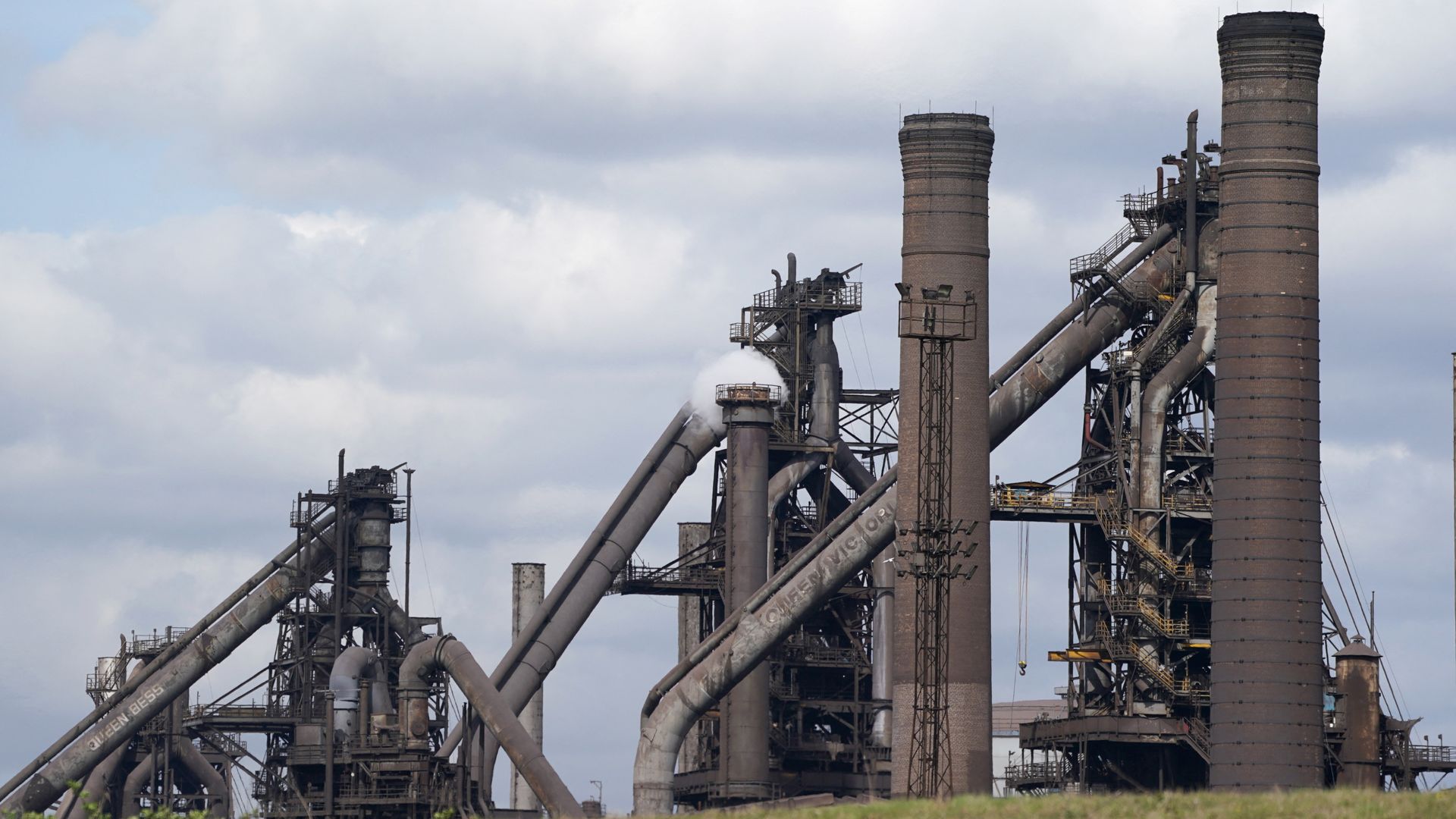
The recent takeover of British Steel changed the landscape of heavy industry in the United Kingdom. When the government pulled the trigger on bringing the Scunthorpe plant into public hands, it wasn't just a political statement. It was an emergency rescue to stop domestic virgin steel production from flatlining entirely. Running a nationalised industrial asset requires heavy metal management, not just political speeches. That is precisely why leadership changes are coming thick and fast.
The New Guard at Scunthorpe
Fixing a struggling nationalised asset demands seasoned veterans who understand massive capital projects. Bringing in former Balfour Beatty chief executive Andrew McNaughton CBE alongside industry veterans like Jon Bolton and Janet Ashdown signals a shift toward serious operational execution. McNaughton brings decades of heavy infrastructure experience. When you are staring down the barrel of modernising blast furnaces and shifting toward green electric arc technology, you don't need theorists. You need people who have built massive physical assets under intense pressure. Expanding on this theme, you can also read: Why The Asian Chip Sell-off Proves Investors Are Finally Losing Patience With Ai.
The core challenge facing this new team isn't just about keeping the lights on in North Lincolnshire. It is about bridging the massive gap between state ownership and future private sector investment. Ministers have made it clear that public control is a temporary bridge, not a permanent home. They want a viable commercial partner to step in eventually. Finding that partner while navigating strict net-zero targets and high operational costs is an uphill battle.
Why the Old Model Broke Down
The collapse of relations between the previous Chinese owners, Jingye, and the government boiled down to pure economics and trust. Jingye pointed to mounting losses and argued that closing blast furnaces was a necessary step for decarbonisation. On the flip side, workers and officials felt blindsided by a rapid breakdown in raw material supplies. Analysts at Bloomberg have shared their thoughts on this situation.
When trust evaporates on the shop floor, production grinds to a halt. The new leadership team has an immediate PR and operational fire to put out. They must convince thousands of skilled steelworkers that their jobs are safe while simultaneously rewriting the playbook on how British steel is manufactured.
- Virgin steel production: Preserving the capability to make steel from iron ore in Scunthorpe.
- Capital injection: Securing hundreds of millions for green furnace upgrades.
- Workforce confidence: Restoring broken lines of communication between management and unions.
What Happens Next for British Steel
Nationalisation gives the government a temporary window to breathe, but it doesn't print money. The taxpayer-backed structure has to pivot toward productivity immediately. If the new board cannot prove that the Scunthorpe works can modernize efficiently, the cycle of panic will repeat itself.
You're looking at a multi-year transformation project where every single misstep hits the national headlines. McNaughton and the new directors are stepping into a historical pressure cooker. They either turn the ship around or watch British heavy industry fade into a footnote.